
Imagine a security guard patrolling a remote facility late at night, or a field technician working alone in an isolated area. In such scenarios, an emergency could escalate quickly if there’s no reliable way to alert management.
Ensuring employee protection in high-risk and remote work environments is more crucial than ever, and organizations must adopt smart solutions to mitigate potential hazards.
With advances in technology, businesses can now integrate intelligent monitoring systems that enhance safety, boost productivity, and provide real-time assistance when needed.
So, implementing an effective protection plan isn’t just about compliance—it’s about proactively safeguarding your workforce against unforeseen dangers.
Key Risks Faced by Employees Working Alone
Many professionals work in environments where risks are amplified due to isolation. Some of the key challenges include:
- Medical Emergencies – A sudden illness or injury can become life-threatening if immediate help isn’t available.
- Workplace Accidents – Slip and fall incidents, machinery malfunctions, or hazardous material exposure pose serious risks.
- Security Threats – Employees working alone in high-crime areas are more vulnerable to physical attacks or theft.
- Communication Breakdowns – Poor connectivity or lack of a reliable check-in system can delay emergency responses.
- Mental Strain and Fatigue – Working alone for extended periods can impact an individual’s psychological well-being, leading to stress or burnout.
Understanding these risks allows businesses to adopt the right technologies and strategies to ensure a safer work environment.
How Monitoring Solutions Enhance Workplace Protection
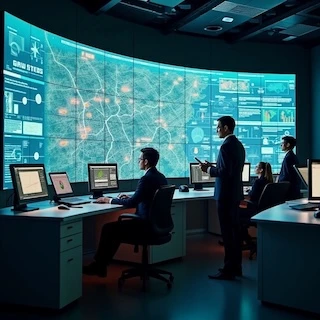
Innovative worker protection tools like Automated Control Room Management System leverage modern technology to track, monitor, and support employees in real-time. Some of the most effective features include:
1. Automated Check-Ins and Welfare Calls
Ensuring employees’ safety, especially those working alone or in high-risk environments, requires a proactive approach. Automated welfare calls provide a structured way to confirm an employee’s well-being at scheduled intervals. These calls require workers to acknowledge their status, ensuring that no one goes unnoticed for extended periods.
If an employee fails to respond, the system can escalate the issue, notifying supervisors or emergency contacts. This automation reduces manual workload while significantly improving response time in critical situations.
2. Real-Time Location Tracking
Knowing where employees are always, is essential for their safety and operational efficiency. GPS-enabled tracking allows organizations to monitor personnel in real time, ensuring they remain within designated work zones. This is particularly beneficial for mobile workers such as security personnel, utility workers, and technicians working in remote or hazardous areas.
Managers can quickly respond if a worker moves into an unsafe zone or fails to check in at a scheduled location, improving overall situational awareness.
3. Emergency Alert Systems
A comprehensive lone worker safety solution should include a built-in SOS alert feature. Employees facing danger or medical emergencies can instantly trigger an alarm through their mobile device or wearable panic button. These alerts are sent directly to supervisors or emergency responders, providing critical information like the worker's location and status.
Quick response times can be the difference between minor incidents and life-threatening situations, making this a vital feature in any monitoring solution.
4. Geofencing for Enhanced Security
Geofencing technology allows companies to create virtual perimeters around job sites, restricted zones, or designated work areas. If an employee enters or exits a predefined area, the system automatically sends notifications to management. This ensures employees remain within safe zones and follow workplace safety regulations.
For industries such as construction, security, and logistics, geofencing can prevent unauthorized access, track movement trends, and enhance overall workforce safety compliance.
5. AI-Powered Risk Assessment
Artificial intelligence (AI) is revolutionizing workplace safety by identifying potential hazards before they become serious issues. AI-driven risk assessment analyzes various factors, including historical incident data, employee location, and task complexity, to predict high-risk scenarios.
By processing this data, the system can provide proactive safety recommendations, such as suggesting additional protective measures for workers operating in hazardous conditions. This predictive approach helps businesses prevent accidents rather than simply reacting to them.
6. Incident Reporting and Digital Logs
A strong safety culture requires proper documentation of workplace incidents. Digital incident reporting allows employees to log safety concerns, near misses, and hazardous conditions in real time using mobile applications.
These reports are stored in a centralized system, enabling management to track trends, investigate recurring issues, and refine safety protocols. This digital approach enhances transparency, ensures accountability, and helps organizations stay compliant with workplace safety regulations.
7. Wearable Technology Integration
Smart wearables are becoming a crucial component of lone worker safety solutions. Devices such as panic buttons, fall detection sensors, and biometric monitors can provide continuous monitoring of employees' well-being.
For instance, if a worker falls or experiences a sudden drop in heart rate, the wearable can trigger an automatic alert, notifying supervisors instantly. These devices add an extra layer of protection, ensuring rapid response during emergencies without relying solely on manual check-ins.
8. Two-Way Communication Channels
In emergencies, employees need a reliable way to contact their managers or security teams. A robust monitoring system should include two-way voice and messaging features that allow real-time communication.
Whether through push-to-talk mobile apps, direct voice calls, or emergency messaging, these communication channels ensure employees can request assistance when needed. This is especially beneficial for workers operating in areas with weak network signals, as some systems can function using minimal data connectivity.
9. Cloud-Based Accessibility
Cloud technology provides businesses with a scalable and flexible solution for workforce safety management. Storing all data—such as location logs, check-in records, and incident reports—in the cloud enables supervisors to access real-time updates from anywhere.
This ensures that even if managers are offsite, they can still oversee operations, make data-driven decisions, and respond to safety concerns promptly. Additionally, cloud storage enhances security by preventing data loss and unauthorized access.
10. Regulatory Compliance and Audit Trails
Many industries, such as construction, healthcare, and security, have strict regulations concerning worker safety. A reliable monitoring system ensures businesses remain compliant with occupational health and safety laws by maintaining accurate audit trails. These audit logs track worker movements, check-ins, and safety incidents, providing documentation that proves regulatory adherence.
In case of an audit or workplace investigation, having a detailed record can protect organizations from liability and ensure continuous improvement in safety protocols.
The Business Benefits of a Reliable Worker Protection System
Adopting a robust employee safety solution isn’t just about meeting legal requirements—it offers multiple business advantages:
- Reduced Liability and Legal Costs – Avoid penalties and lawsuits by ensuring compliance with safety regulations.
- Higher Employee Morale – Workers feel more secure knowing their well-being is a priority.
- Lower Absenteeism and Turnover – A safer work environment leads to increased job satisfaction and retention.
- Improved Operational Efficiency – Real-time monitoring reduces disruptions and enhances productivity.
- Better Reputation Management – Companies known for prioritizing employee safety gain trust and credibility in their industry.
Choose Smart Workforce for Reliable Workforce Safety
Ensuring worker protection is non-negotiable, and Smart Workforce offers a state-of-the-art monitoring solution designed to keep your employees safe, no matter where they are.
With automated welfare calls, real-time tracking, and emergency response integration, your organization can provide unparalleled security for employees working in high-risk or remote environments.
Stay ahead of potential threats and ensure compliance with an advanced, cost-effective workforce safety system.
Book a free demo today and experience the next level of employee safety with Smart Workforce!










Sign in to leave a comment.