
Hair loss affects millions of people and can significantly impact self-confidence and quality of life. With advances in medical technology, non-surgical solutions like platelet-rich plasma (PRP) therapy have become increasingly popular. For those exploring options at a hair loss treatment Birmingham clinic, understanding how PRP works, its benefits, and what to expect is essential. This article provides a detailed guide to PRP hair loss treatment, including the procedure, results, and considerations for patients.
Understanding Hair Loss
Hair loss can occur due to a variety of reasons, and identifying the underlying cause is critical for effective treatment.
Common Causes of Hair Loss
- Androgenetic Alopecia: Also known as male or female pattern baldness, caused by genetics and hormones.
- Alopecia Areata: An autoimmune condition resulting in patchy hair loss.
- Telogen Effluvium: Temporary shedding triggered by stress, illness, or hormonal changes.
- Traction Alopecia: Hair loss caused by repeated tension from hairstyles.
- Scarring Alopecia: Hair loss due to inflammation that damages follicles, often permanent.
Effects on Daily Life
Hair loss can lead to emotional stress, reduced confidence, and social anxiety. Early intervention with appropriate treatments can slow or reverse hair thinning and restore a natural appearance.
What is PRP Hair Loss Treatment?
Platelet-rich plasma therapy is a non-surgical hair restoration procedure that uses a patient’s own blood to stimulate hair regrowth. The treatment harnesses growth factors found in platelets to improve hair density, strengthen existing hair, and promote follicle regeneration.
How PRP Works
- Blood Collection: A small sample of the patient’s blood is drawn, typically from the arm.
- Centrifugation: The blood is processed to separate the platelet-rich plasma from other components.
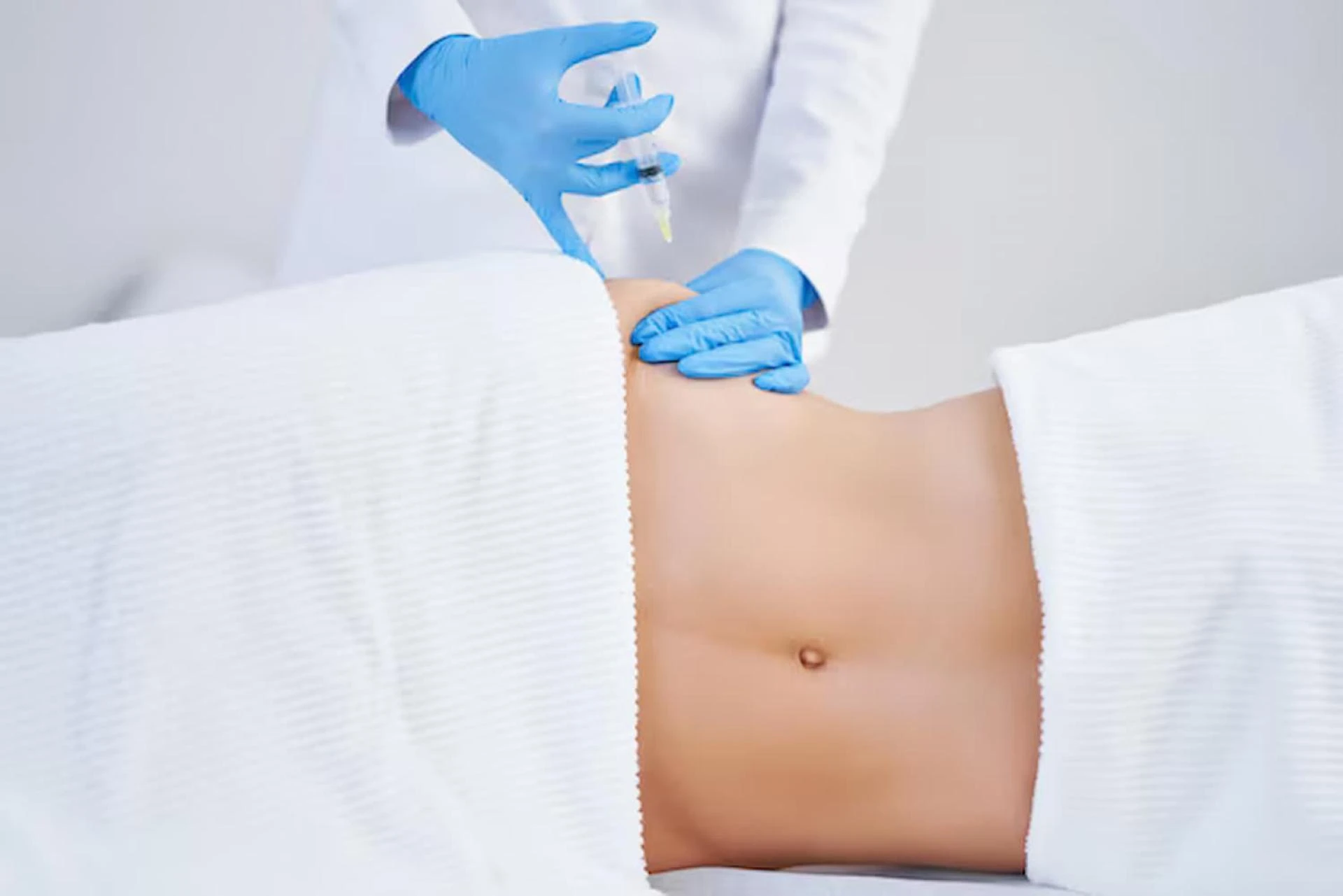
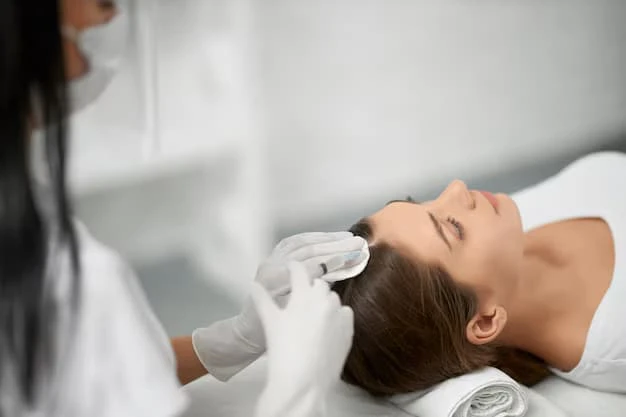
- Injection: The concentrated plasma is injected into areas of the scalp experiencing thinning or hair loss.
The growth factors in PRP stimulate dormant follicles, increase blood supply to the scalp, and promote natural hair regrowth over time.
Ideal Candidates
PRP is most effective for individuals with early to moderate hair thinning or pattern baldness. Patients with advanced hair loss or complete baldness may require alternative treatments, such as hair transplant procedures, for significant results.
Benefits of PRP Hair Loss Treatment
PRP therapy offers several advantages compared to other hair loss solutions.
Non-Surgical and Minimally Invasive
PRP is an injection-based treatment that does not involve incisions, anesthesia, or extensive recovery time.
Natural and Safe
Since PRP uses the patient’s own blood, the risk of allergic reactions or rejection is minimal.
Stimulates Follicle Activity
PRP promotes the natural activity of hair follicles, encouraging thicker and stronger hair growth.
Can Be Combined With Other Treatments
PRP can be used alongside topical solutions, oral medications, or laser therapy to enhance results and address multiple aspects of hair loss simultaneously.
Minimal Downtime
Most patients can resume normal activities immediately after treatment, experiencing only minor redness or swelling at the injection sites.
The PRP Hair Loss Treatment Process
Understanding the steps involved can help patients feel confident and prepared for the procedure.
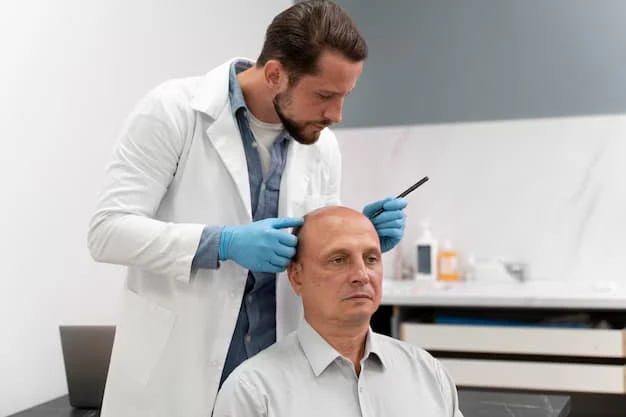
Initial Consultation
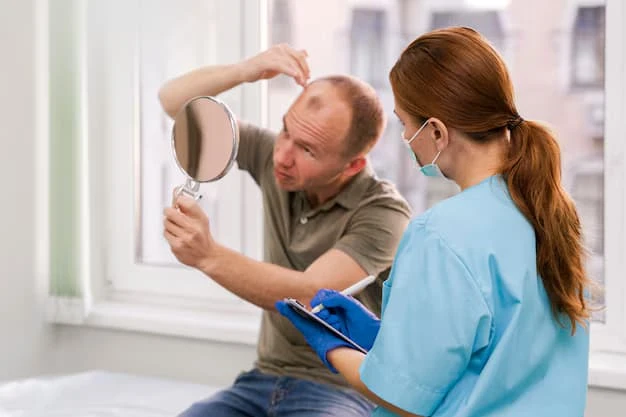
A consultation with a hair specialist includes:
- Assessment of hair loss type and severity
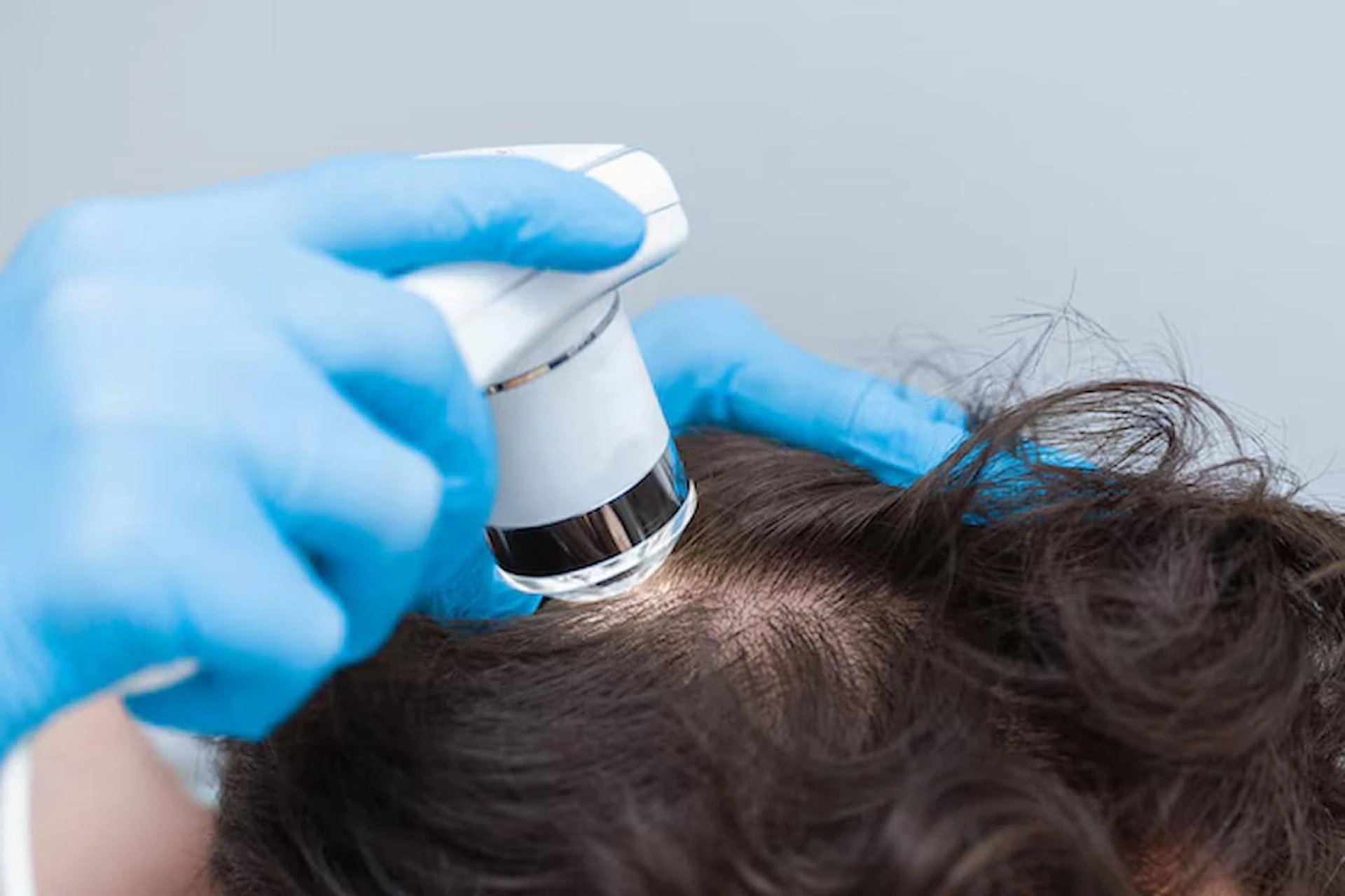
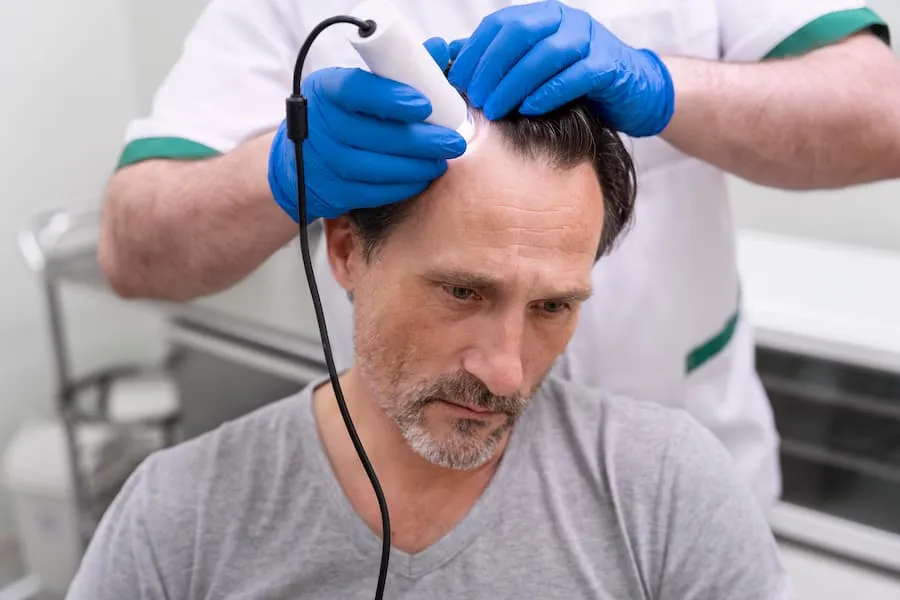
- Scalp examination using dermoscopy or digital imaging
- Review of medical history and lifestyle factors
- Discussion of treatment goals and expectations
Preparation
Before the procedure, patients may be advised to avoid blood-thinning medications and alcohol to ensure optimal results.
PRP Procedure
The process typically takes 60 to 90 minutes and involves:
- Drawing a blood sample
- Processing the blood in a centrifuge
- Injecting the PRP into the affected areas of the scalp
Local anesthesia or numbing cream may be applied to improve comfort during injections.
Post-Treatment Care
Patients may experience mild swelling, redness, or tenderness at injection sites, which usually resolves within a few days. Clinicians often recommend gentle hair care and avoiding excessive heat or harsh chemicals for a short period.
Expected Results and Timeline
Results from PRP therapy are gradual and require patience.
Short-Term Effects
Within the first few weeks, patients may notice improved scalp health and reduced hair shedding.
Long-Term Effects
Noticeable hair regrowth, increased thickness, and improved density typically occur after three to six months. Multiple sessions are often required to achieve optimal results, with maintenance treatments recommended every few months.
Individual Variation
Results can vary based on age, genetics, type of hair loss, and overall health. Some patients may respond faster, while others require extended treatment periods.
Factors Affecting Treatment Success
Several factors influence the effectiveness of PRP hair loss therapy.
Age and Genetics
Younger patients and those with a family history of successful hair growth tend to respond better.
Type and Stage of Hair Loss
Early intervention yields the most significant results. PRP is less effective for fully scarred or completely bald areas.
Lifestyle and Health
Nutrition, stress management, and overall health play a crucial role in maintaining hair growth and supporting treatment outcomes.
Combination Therapy
Combining PRP with topical minoxidil, oral medications, or low-level laser therapy can enhance results and promote sustained regrowth.
Choosing the Right Hair Loss Treatment Clinic in Birmingham
Selecting a reputable clinic is essential for safety, effectiveness, and long-term results.
Experienced Practitioners
Look for clinics with trained specialists who have expertise in PRP therapy and hair restoration.
Advanced Equipment
Clinics should use certified centrifuges, injection systems, and diagnostic tools to ensure consistent and safe treatment.
Personalized Treatment Plans
A high-quality clinic will tailor the PRP protocol to the patient’s hair loss pattern, scalp condition, and goals.
Patient Reviews and Testimonials
Feedback from previous patients can provide insights into clinic professionalism, effectiveness of treatments, and overall satisfaction.
Cost Considerations
The cost of PRP therapy varies depending on clinic reputation, session frequency, and additional services.
Initial Consultation
Consultation fees may be included in the overall treatment package or billed separately.
Treatment Sessions
PRP typically requires a series of three to six sessions spaced four to six weeks apart. Some clinics offer package deals that provide better value for multiple treatments.
Maintenance
Periodic maintenance sessions may be needed to sustain results, particularly for ongoing hair thinning conditions.
Cost vs. Benefit
While PRP therapy involves a financial investment, the potential for natural hair regrowth, minimal invasiveness, and long-term results make it a cost-effective solution compared to surgical alternatives.
Conclusion
PRP hair loss treatment is a safe, non-surgical option for individuals seeking to restore hair density and improve scalp health. Available at a hair loss treatment Birmingham clinic, it uses the patient’s own blood to stimulate hair follicles, encourage regrowth, and strengthen existing hair.
The success of PRP therapy depends on factors such as the type and stage of hair loss, age, lifestyle, and consistency of treatment. While results are gradual, most patients experience noticeable improvements within a few months, and combining PRP with other therapies can enhance outcomes.
Choosing a reputable clinic with experienced practitioners, advanced equipment, and personalized treatment plans ensures the best chance of achieving natural, long-lasting hair regrowth. With careful assessment, professional guidance, and commitment to the treatment plan, PRP therapy can be a highly effective solution for managing hair loss and restoring confidence.






















Sign in to leave a comment.