

In modern cities and growing urban areas, public transportation services play a major role in helping people travel efficiently and affordably. At the same time, private vehicles continue to offer convenience and flexibility for daily commuting and long distance travel. Both transportation options have their own advantages and disadvantages depending on lifestyle, budget, travel frequency, and personal preferences. As traffic congestion, environmental concerns, and fuel costs continue to rise, many individuals carefully compare public transportation with private vehicle ownership before making travel decisions. Understanding the pros and cons of each option can help commuters choose the transportation method that best fits their daily needs and long term priorities.
Understanding Public Transportation Services
Public transportation services include buses, trains, metro systems, trams, and shared transit options designed to move large numbers of people efficiently. These systems are commonly operated by government agencies or transportation authorities and are intended to provide affordable mobility for communities. Public transportation connects residential neighborhoods, business districts, schools, airports, and healthcare facilities through organized routes and schedules.
Many urban residents depend on public transportation for daily commuting because it reduces the need for personal vehicle ownership. Reliable transit systems can improve accessibility, reduce road congestion, and support economic development. Public transportation also plays an important role in creating more sustainable and environmentally friendly cities. As populations continue to grow, transportation systems become increasingly important for maintaining organized urban mobility.
Understanding Private Vehicle Transportation
Private vehicles provide individuals with direct control over their travel schedules and routes. Cars, motorcycles, and personal vans allow people to travel independently without relying on fixed transportation schedules or shared spaces. Many individuals prefer private vehicles because they offer convenience, privacy, and flexibility for both short and long distance travel.
Vehicle ownership is often associated with personal freedom and comfort, especially in areas where public transportation options are limited. Families with children, professionals with busy schedules, and individuals living in suburban or rural communities may find private vehicles more practical for daily transportation. However, owning and maintaining a personal vehicle also comes with financial and environmental responsibilities that influence transportation decisions.
Pros of Public Transportation Services
Public transportation offers several important benefits that support both individuals and communities. Affordable travel costs, reduced traffic congestion, and environmental sustainability are some of the key advantages that encourage many commuters to use public transit regularly. Efficient transportation systems also improve accessibility for individuals who cannot drive or do not own private vehicles.
As urban populations increase, many cities continue investing in transportation infrastructure to improve mobility and reduce traffic related challenges. Public transportation provides a practical solution for managing growing transportation demands while supporting cleaner and more organized urban environments.
Cost Effective Daily Transportation
One of the biggest advantages of public transportation is affordability. Daily commuting through buses or trains is generally much less expensive than owning and maintaining a private vehicle. Public transportation users avoid fuel costs, parking fees, vehicle insurance, loan payments, and regular maintenance expenses that come with personal vehicle ownership.
For students, workers, and families managing tight budgets, public transportation can provide significant long term savings. Monthly transit passes often cost far less than the total expenses associated with driving a private vehicle every day. Affordable transportation options make commuting more accessible for a larger portion of the population.
Reduced Traffic Congestion
Public transportation helps reduce the number of vehicles on the road by moving many passengers at once through shared transit systems. Fewer private vehicles contribute to lower traffic congestion in busy urban areas. Reduced congestion can improve travel times, decrease road stress, and support more efficient city movement overall.
Cities with strong public transportation systems often experience better traffic management and lower demand for parking spaces. Reduced vehicle congestion also contributes to improved road safety and less fuel consumption. Encouraging public transportation use can create more organized and efficient transportation networks in growing cities.
Environmental Benefits
Public transportation services contribute to lower carbon emissions compared to large numbers of individual private vehicles. Buses and trains transport multiple passengers simultaneously, reducing the amount of fuel used per person during travel. This helps decrease air pollution and supports cleaner urban environments.
As concerns about climate change and environmental sustainability continue to grow, many cities are expanding eco friendly transportation initiatives. Electric buses, hybrid transit systems, and improved rail networks are helping reduce the environmental impact of transportation. Public transportation remains an important part of sustainable urban planning and environmental protection efforts.
Cons of Public Transportation Services
Despite its many benefits, public transportation also presents several challenges for commuters. Fixed schedules, overcrowding, and limited route availability can sometimes make public transit less convenient than private transportation. Individual commuting needs and local infrastructure quality often influence whether public transportation is the best option.
Transportation delays, service interruptions, and crowded travel conditions can create frustration for passengers during busy commuting periods. Understanding these disadvantages helps individuals make informed decisions based on their lifestyle and transportation priorities.
Limited Flexibility and Scheduling
Public transportation operates according to fixed routes and schedules, which may not always align with individual travel needs. Passengers often need to adjust their schedules around transit timing and available routes. Missing a bus or train can lead to delays that affect work, appointments, or personal commitments.
In some areas, transportation services may not operate late at night or during certain weekends and holidays. Limited scheduling flexibility can create inconvenience for individuals with irregular work hours or urgent travel needs. Dependence on transit schedules may reduce the sense of independence some commuters prefer.
Crowded Travel Conditions
Public transportation can become overcrowded during peak commuting hours, especially in large cities with high population density. Crowded buses and trains may create discomfort and reduce personal space for passengers. Long standing periods and packed transit environments can make daily commuting stressful for some individuals.
Noise levels and limited seating availability may also affect passenger comfort during travel. Although transportation systems aim to serve large numbers of commuters efficiently, overcrowding remains a common challenge in many urban transit networks. Comfort concerns may encourage some people to prefer private vehicles for daily transportation.
Pros of Private Vehicles
Private vehicles continue to remain popular because they offer convenience, independence, and personalized travel experiences. Many individuals appreciate the ability to travel according to their own schedule without relying on public transit systems. Private transportation provides flexibility that can support busy lifestyles and changing travel needs.
Vehicle ownership also allows travelers to access areas where public transportation may be limited or unavailable. Families, professionals, and rural residents often rely heavily on private vehicles for efficient daily mobility.
Greater Travel Flexibility
One of the most significant benefits of private vehicles is complete travel flexibility. Drivers can leave whenever they choose, select preferred routes, and make multiple stops during trips without depending on transit schedules. This level of convenience is especially valuable for families with children, professionals attending meetings, or individuals running multiple errands daily.
Private vehicles also provide easier access to remote or suburban locations where public transportation services may be less reliable. Travelers can adapt plans quickly based on traffic, weather, or personal needs. Greater flexibility gives individuals more control over their daily transportation experience.
Increased Privacy and Comfort
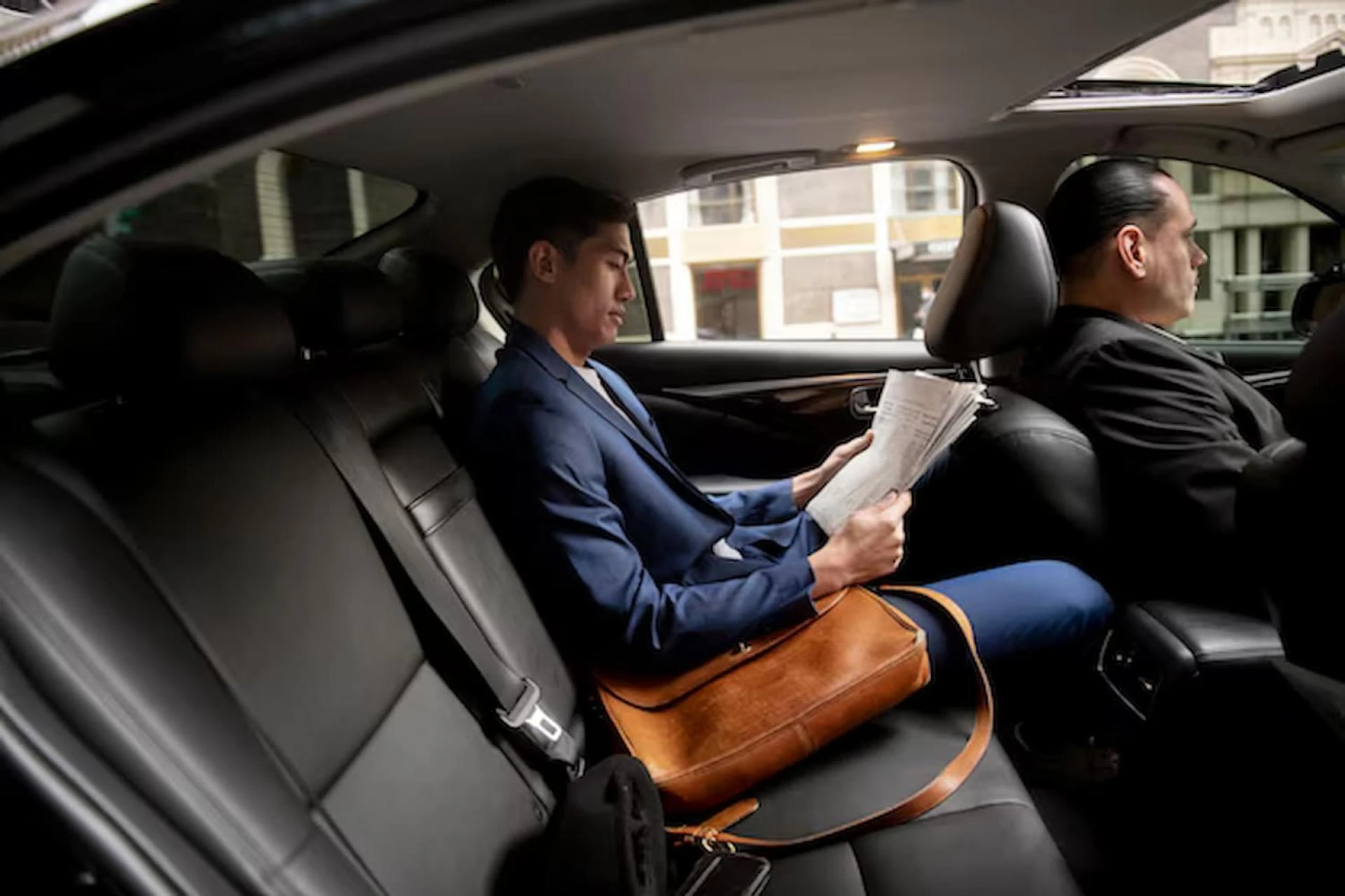
Private vehicles offer personal space and privacy that public transportation cannot always provide. Drivers and passengers can travel comfortably without sharing space with large groups of strangers. Climate control, music preferences, and seating arrangements can all be adjusted according to personal comfort.
For many commuters, private transportation provides a quieter and more relaxing travel environment. Business professionals may also use travel time for private conversations or work related calls without distractions. Comfort and privacy remain major reasons why many individuals continue choosing private vehicle transportation.
Cons of Private Vehicles
Although private vehicles offer convenience and independence, they also involve significant financial and environmental costs. Vehicle ownership requires ongoing spending on fuel, insurance, maintenance, repairs, and parking. Traffic congestion and rising fuel prices also increase the challenges associated with daily driving in busy urban areas.
Private vehicles can contribute to environmental concerns through fuel emissions and increased road congestion. Understanding these disadvantages helps commuters evaluate whether vehicle ownership aligns with their financial goals and lifestyle preferences.
High Ownership and Maintenance Costs
Owning a private vehicle involves considerable long term financial responsibility. Monthly loan payments, fuel expenses, insurance premiums, registration fees, and maintenance costs can place pressure on household budgets. Unexpected repairs may also create additional financial challenges for vehicle owners.
Parking costs in major cities can become expensive, especially for daily commuters working in busy business districts. The overall cost of vehicle ownership often exceeds what many individuals initially expect. Financial considerations play a major role when comparing private transportation with public transit options.
Environmental Impact and Traffic Congestion
Large numbers of private vehicles contribute significantly to air pollution and greenhouse gas emissions. Increased fuel consumption negatively affects environmental sustainability and urban air quality. Traffic congestion caused by excessive vehicle use also increases travel times and fuel waste.
Busy roads and overcrowded parking areas create stress for drivers and contribute to less efficient transportation systems overall. Cities continue searching for solutions to reduce traffic and environmental impact through improved public transportation infrastructure and eco friendly travel initiatives. Reducing dependence on private vehicles can support healthier and more sustainable urban living.
Choosing the Right Transportation Option
The decision between public transportation services and private vehicles depends on individual needs, financial considerations, and local transportation availability. Some individuals prioritize affordability and sustainability, while others value flexibility and personal convenience. Urban residents with reliable transit access may find public transportation more practical, while suburban or rural residents may depend more heavily on private vehicles.
Many commuters also combine both transportation methods depending on travel situations and schedules. Understanding the advantages and disadvantages of each option allows individuals to make informed decisions that support their lifestyle, budget, and environmental goals.
Conclusion
Public transportation services and private vehicles both offer valuable benefits and challenges depending on individual commuting needs and personal priorities. Public transit provides affordable, environmentally friendly, and efficient transportation for many urban commuters, while private vehicles offer flexibility, comfort, and greater travel independence. Financial costs, convenience, environmental impact, and accessibility all influence transportation choices in modern society. As cities continue to grow and transportation demands increase, balanced transportation solutions will remain essential for supporting mobility and sustainability. For individuals seeking reliable and convenient transportation support, swoopapp provides a dependable option designed to improve travel experiences with comfort, efficiency, and accessibility in mind.



























Sign in to leave a comment.