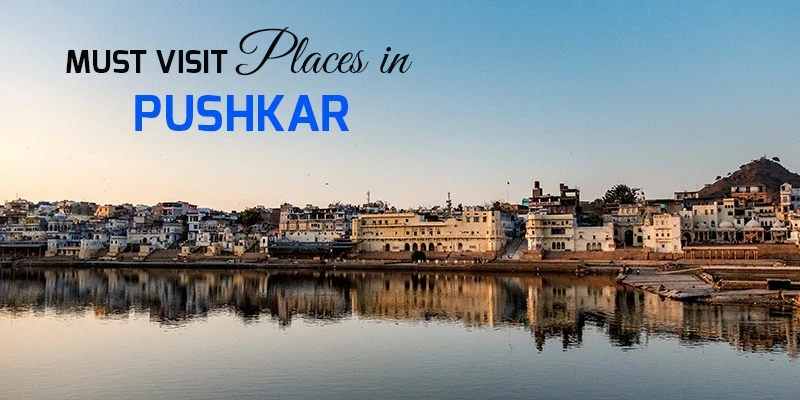

Pushkar, a serene town nestled on the edge of the Thar Desert in Rajasthan, is one of India’s most sacred pilgrimage destinations. Known for its spiritual ambiance, ancient temples, and the legendary Pushkar Lake, this city holds a deep-rooted connection to Hindu mythology and cultural heritage. For travelers seeking a meaningful and immersive experience in the land of divinity, a Pushkar Sightseeing tour offers a powerful glimpse into the religious pulse of Rajasthan.
Brahma Temple: The Rarity of Divine Worship
Pushkar is home to the only prominent temple in India dedicated to Lord Brahma, the creator in the Hindu trinity. The Brahma Temple, or Jagatpita Brahma Mandir, stands tall with its red spire and distinct hamsa (swan) motifs, set against the backdrop of the Aravalli Hills. Built in the 14th century, it is said to be constructed by sage Vishwamitra. This temple is steeped in mythology, specifically the tale where Lord Brahma performed a yagna at Pushkar Lake.
Pilgrims believe that visiting this temple and taking a dip in the adjacent lake during Kartik Purnima brings salvation. What makes the temple even more significant is the limited number of shrines dedicated to Brahma globally, positioning this sacred space as one of the rarest devotional sites in Hinduism.
Savitri Temple: A Trek to Spiritual Solitude
Perched atop Ratnagiri Hill, the Savitri Temple offers more than just a panoramic view of Pushkar—it carries a poignant story of divine rivalry. Dedicated to Goddess Savitri, the first consort of Lord Brahma, this temple symbolizes her anguish when Brahma married Gayatri without her consent. The climb involves a steep trek, which devotees consider an act of penance and spiritual cleansing.
Every year, thousands of pilgrims and spiritual seekers make the ascent, especially during the early hours of dawn, to witness the first rays of sun bathe the desert landscape. For those undertaking a Rajasthan culture tour, this temple adds both mythological context and a physical connection to ancient traditions.
Varaha Temple: Honoring the Boar Incarnation
Varaha Temple in Pushkar is dedicated to Lord Vishnu’s boar avatar. It is one of the oldest temples in the region, showcasing intricate carvings and a powerful statue of the deity. According to Hindu mythology, Lord Vishnu took the Varaha form to rescue the Earth from the demon Hiranyaksha.
The temple, though modest in scale, holds immense symbolic significance. Built by King Anaji Chauhan in the 12th century and later reconstructed by Raja Sawai Man Singh, the Varaha Temple stands as a tribute to the preservation of balance between good and evil. It is one of those temples that history has tested through destruction and rebuilding, reflecting the cultural resilience of Pushkar.
Apteshwar Temple: The Underground Enigma
Located adjacent to the Brahma Temple is the Apteshwar Mahadev Temple, an underground shrine dedicated to Lord Shiva. The entrance descends into the earth, symbolizing a deeper spiritual journey. Its creation is also attributed to the same time as the Brahma Temple, constructed to appease Shiva after Brahma’s controversial marriage to Gayatri.
This temple is a favorite among Shaivites and is known for its peaceful sanctum and ancient lingam. The temple architecture features classic Rajasthani motifs and pillars, which have endured time and natural calamities. Devotees often perform rituals here after offering prayers at the Brahma Temple, symbolizing balance in divine worship.
Old Rangji Temple: Dravidian Influence in the Desert
The Old Rangji Temple in Pushkar is dedicated to Lord Ranganatha, a South Indian form of Lord Vishnu. What sets this temple apart is its unique blend of South Indian and Mughal architectural styles. With tall gopurams, sculpted columns, and a serene temple courtyard, it surprises many visitors unfamiliar with South Indian influence in Rajasthan.
The temple was built in the 19th century by a wealthy South Indian merchant and has since stood as a symbol of Pushkar’s cultural inclusivity. It serves as a reminder of how the town’s spiritual magnetism draws in devotees and artisans from across India, resulting in a rich fusion of styles and traditions.
Gayatri Temple: The Divine Reconciliation
Not far from Savitri Temple is the Gayatri Temple, which honors Brahma’s second wife. This temple was built later as a mark of respect and acknowledgment of her role in the sacred yagna. Although less frequented than other temples, its tranquil location and simple design offer solace for introspection.
Pilgrims often visit both Savitri and Gayatri temples as part of a spiritual journey through the divine feminine perspectives of mythology. This duality reflects not only religious devotion but also deeper philosophical interpretations of justice, love, and cosmic order.
Pap Mochani Temple: Cleanse and Begin Anew
Perched on a hillock northeast of Pushkar Lake, Pap Mochani Temple is dedicated to Ekadashi Mata, believed to relieve devotees of sins. The hike to the temple is relatively short but steep and rewards climbers with a quiet place for contemplation and an uninterrupted view of the town below.
Historically, it has been a retreat for sages and ascetics who sought spiritual purification. Today, it continues to draw both tourists and believers who wish to end their Pushkar journey with a symbolic act of spiritual cleansing.
Final Thoughts: A Sacred Journey Beyond the Surface
Pushkar’s temples are not just architectural landmarks—they are living repositories of faith, mythology, and cultural identity. Every temple narrates a unique story, echoing through centuries of devotion and change. While modern tourism brings global visitors to this sacred town, the spirit of Pushkar remains anchored in its temples and traditions.
Travelers who want to explore these timeless wonders with authenticity and purpose often seek trusted guidance. A reliable travel agency in Rajasthan like Empire Tours & Travels helps ensure that visitors gain deeper insights into each site’s cultural and historical layers. For anyone interested in a journey that blends sacred exploration with heritage-rich experiences, Pushkar remains a gateway into the spiritual soul of Rajasthan.



























Sign in to leave a comment.