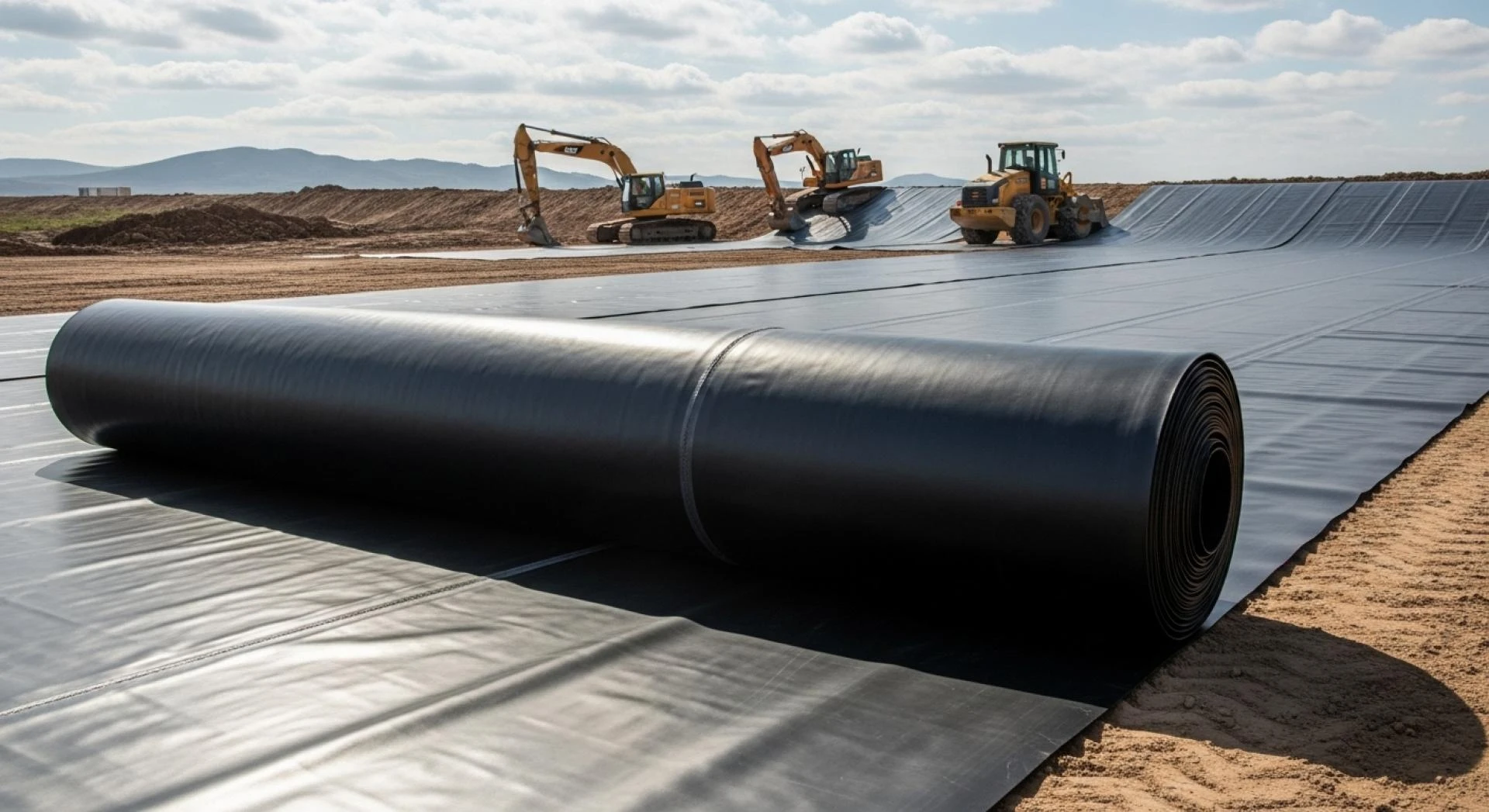

In modern construction, agriculture, and industrial applications, PVC Geomembrane has become a vital material for waterproofing, containment, and environmental protection. Made from polyvinyl chloride (PVC), this geomembrane offers flexibility, strength, and durability for projects that require a reliable barrier against water, chemicals, and waste materials. Its wide usage across industries showcases its importance in creating sustainable and long-lasting engineering solutions.
At NM Geo Synthetic, we specialize in manufacturing and supplying premium-quality PVC Geomembrane products that serve the diverse needs of the industrial and textile sectors. Our geomembranes are designed to ensure top-notch performance, ease of installation, and long-term protection for both small and large-scale projects.
What Is PVC Geomembrane?
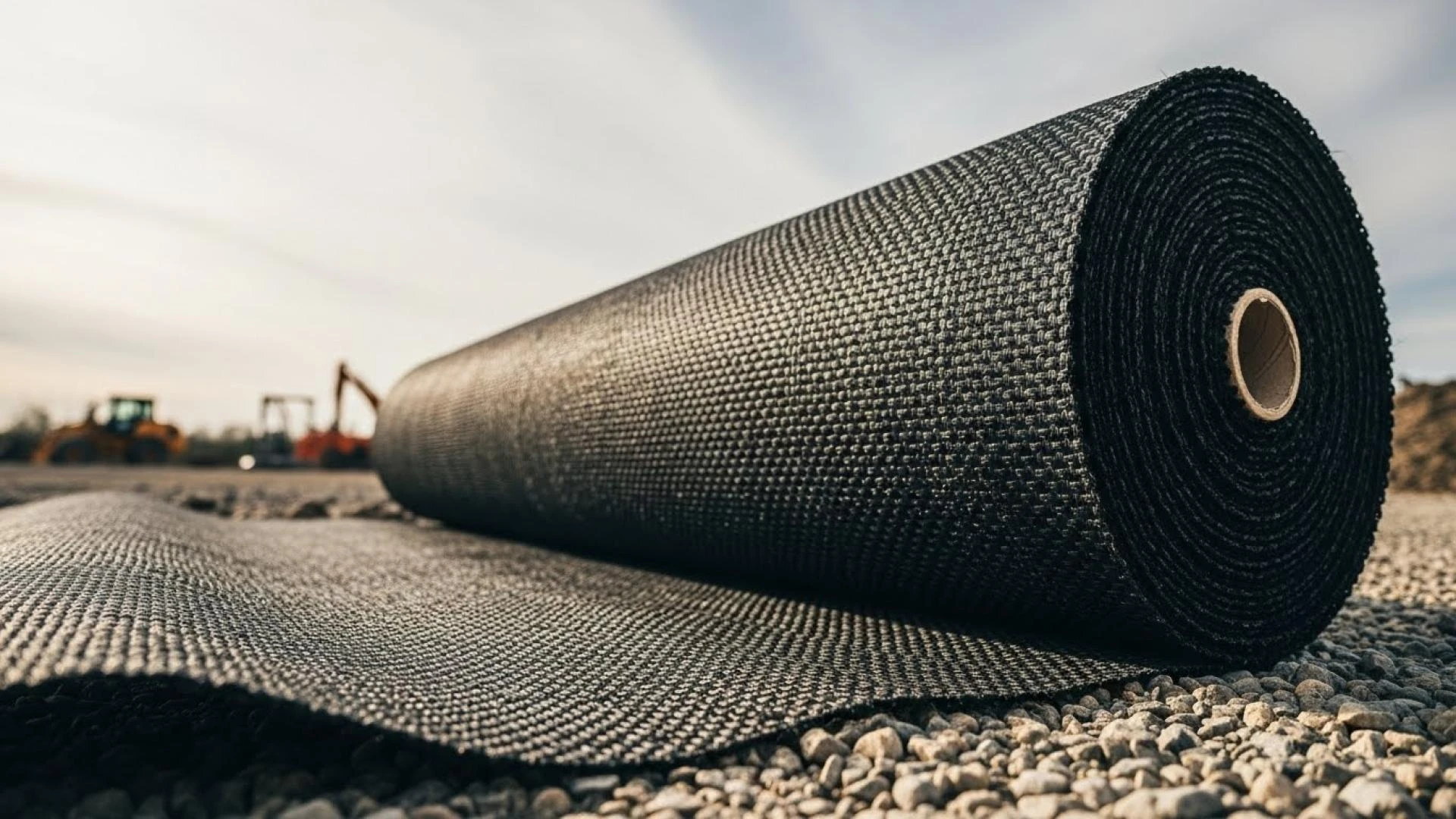
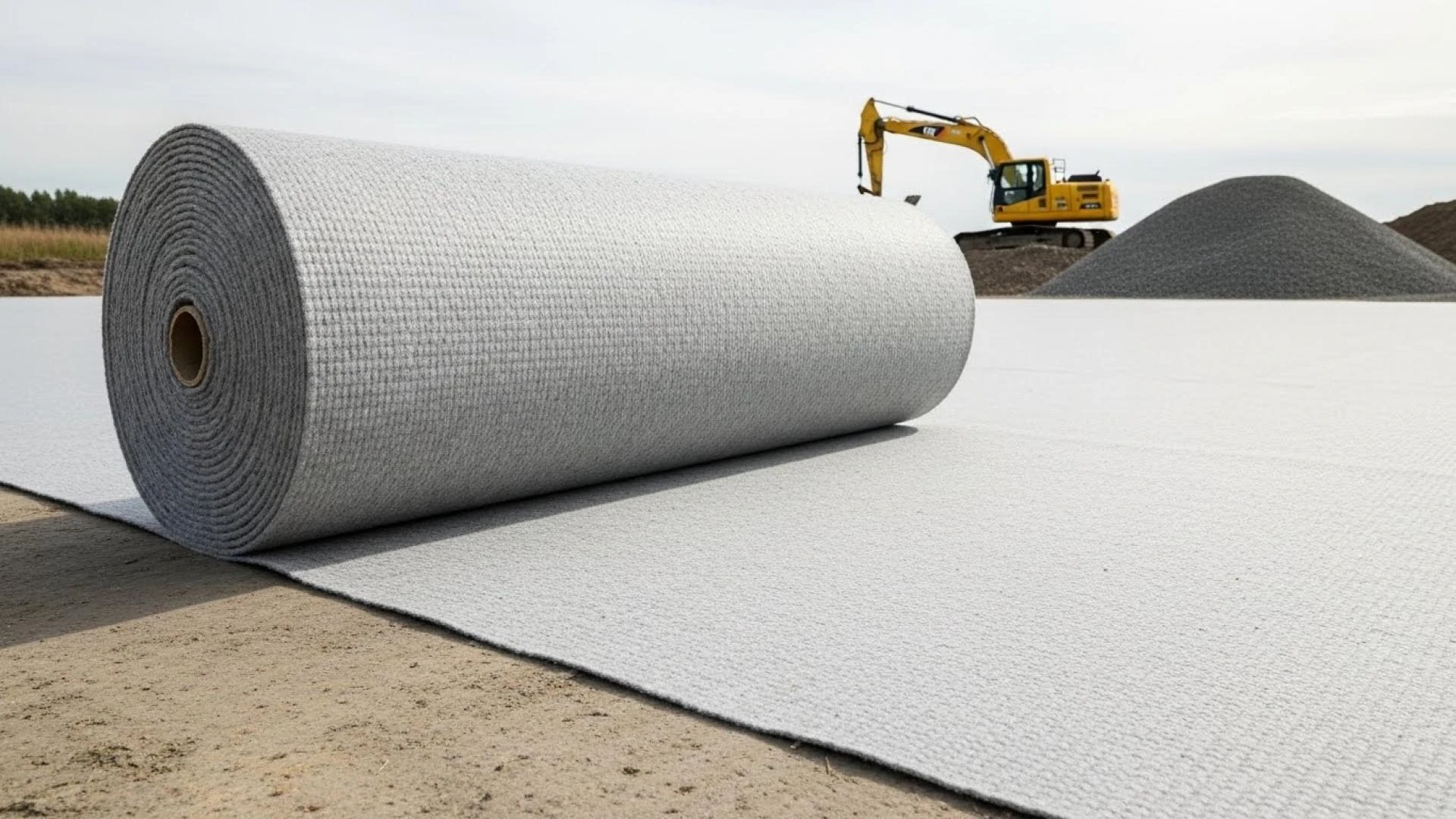
A PVC Geomembrane is a flexible synthetic liner or barrier primarily used to contain liquids, control seepage, and prevent contamination of soil and groundwater. It is composed of high-grade polyvinyl chloride, a thermoplastic polymer known for its chemical resistance, elasticity, and waterproofing ability.
Unlike other materials, PVC Geomembrane is easy to handle and install due to its flexibility and lightweight nature. It can adapt to irregular surfaces, making it suitable for projects such as water reservoirs, tunnels, and landfills where surface conditions may vary.
Types of PVC Geomembrane
Different projects require different types of PVC Geomembrane depending on the specific site and environmental conditions. Here are the most common types:
1. Reinforced PVC Geomembrane
This type is strengthened with polyester or fiberglass reinforcement to provide extra tensile strength and durability. It’s ideal for heavy-duty industrial or hydraulic applications.
2. Non-Reinforced PVC Geomembrane
Used in small-scale or less demanding applications, this version provides excellent flexibility and is easy to weld, making it suitable for temporary or low-pressure containment systems.
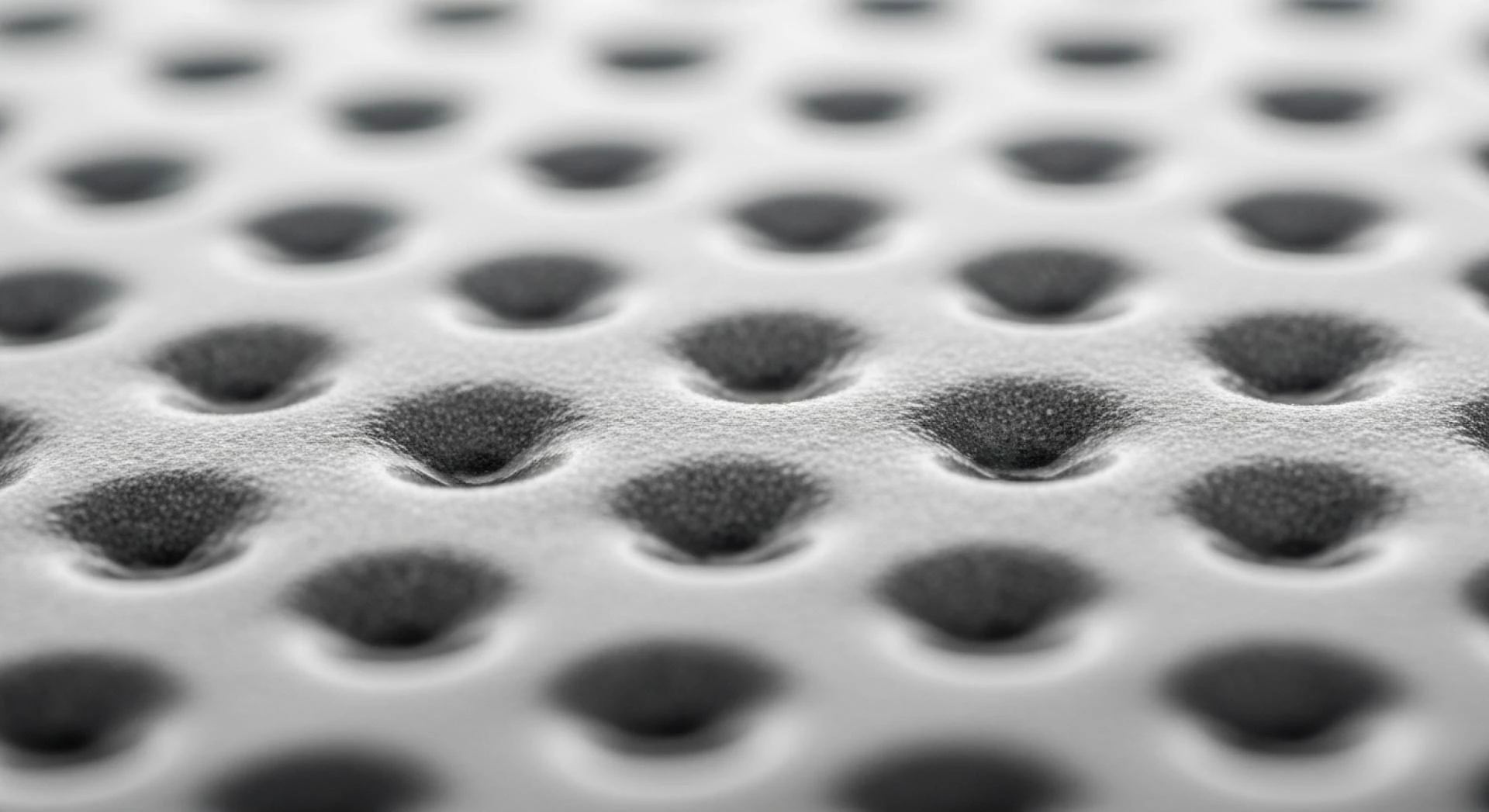
3. Textured PVC Geomembrane
Featuring a textured surface, this type offers improved frictional resistance on slopes and other uneven surfaces, enhancing stability and grip.
Applications of PVC Geomembrane in Industries
The versatility of PVC Geomembrane makes it an indispensable part of many industrial and textile-related services. Below are the primary sectors where it’s widely used:
1. Water Conservation Projects
PVC Geomembrane is extensively used in lining reservoirs, canals, and ponds to prevent water loss through seepage. Its impermeable surface ensures that water remains contained, promoting efficient water management.
2. Waste Management and Landfill Liners
Landfills and waste containment sites use PVC Geomembrane as a lining system to prevent leachate from polluting the soil and groundwater. Its chemical resistance ensures that harmful substances remain isolated from the environment.
3. Mining and Industrial Containment
In mining operations, PVC Geomembrane serves as a liner for tailings ponds, leach pads, and processing areas. It helps contain chemicals used in mineral extraction, preventing environmental contamination and ensuring safety.
4. Agriculture and Aquaculture
Farmers and fish breeders rely on PVC Geomembrane to line irrigation canals, fish ponds, and water storage tanks. Its flexibility and impermeability ensure long-term use and reduced maintenance.
5. Textile and Industrial Applications
In the textile and manufacturing industries, PVC Geomembrane is used to manage wastewater, contain chemicals, and prevent seepage in treatment plants. Textile factories often require efficient water management systems, and using geomembranes ensures compliance with environmental standards.
6. Construction and Infrastructure
In tunnels, bridges, and underground structures, PVC Geomembrane acts as a waterproofing barrier, preventing moisture intrusion and enhancing structural stability.
Features and Advantages of Using PVC Geomembrane
The popularity of PVC Geomembrane is due to its multiple benefits, making it one of the most trusted materials for waterproofing and containment.
- High Flexibility: Adapts easily to uneven surfaces and complex shapes.
- Excellent Chemical Resistance: Performs well in industrial environments exposed to various chemicals.
- Long Lifespan: Resistant to UV radiation, temperature variations, and weathering.
- Ease of Installation: Can be welded or seamed easily using hot-air or solvent welding.
- Cost-Effective: Provides long-term savings through reduced maintenance and enhanced performance.
- Eco-Friendly: Helps prevent environmental contamination and supports sustainable engineering.
NM Geo Synthetic: A Reliable Partner for PVC Geomembrane Solutions
NM Geo Synthetic is known for providing reliable, high-performance PVC Geomembrane products to industries worldwide. With advanced production techniques and strict quality controls, we ensure that each geomembrane meets the highest standards of durability, flexibility, and environmental safety.
Our products are designed for use in water containment, waste management, and industrial protection. By offering customized thicknesses and textures, NM Geo Synthetic ensures that every project receives the perfect solution for its specific requirements.
Role of PVC Geomembrane in the Textile and Industrial Sector
The textile industry often deals with chemical processes, dyeing, and large volumes of wastewater. PVC Geomembrane plays an essential role in managing these challenges by acting as a waterproof barrier in wastewater treatment plants and storage ponds. It prevents leaks, ensures environmental compliance, and helps industries reuse treated water efficiently.
In broader industrial settings, PVC Geomembrane provides secure containment for fuel, oil, and other liquids. Its chemical-resistant properties make it an ideal solution for preventing leaks in chemical storage areas, thereby ensuring worker safety and environmental protection.
Installation Process of PVC Geomembrane
To achieve maximum efficiency, PVC Geomembrane must be installed carefully following proper procedures:
1. Surface Preparation
The installation area must be cleared of sharp objects, debris, and irregularities to avoid damage to the geomembrane.
2. Placement and Alignment
Sheets of PVC Geomembrane are laid out and aligned properly, ensuring overlap between adjacent sheets for effective sealing.
3. Welding and Seaming
Specialized welding machines are used to heat-seal the overlaps, creating a continuous and leak-proof layer.
4. Testing and Quality Assurance
All seams and joints undergo visual and mechanical testing to confirm their integrity and ensure the system is fully watertight.
Importance of PVC Geomembrane in Sustainable Development
As industries move toward greener practices, PVC Geomembrane has become a cornerstone of sustainable construction and industrial design. Its long lifespan, recyclability, and role in preventing pollution make it an environmentally responsible choice. By reducing water wastage and protecting soil and groundwater, it supports global efforts toward sustainable growth.
How to Choose the Right PVC Geomembrane
Choosing the appropriate PVC Geomembrane depends on several factors:
- Application Type: Determine whether it’s for water, chemical, or waste containment.
- Environmental Conditions: Consider exposure to temperature, UV light, and chemical agents.
- Thickness Requirements: Thicker membranes are better for heavy-duty or high-pressure projects.
- Surface Type: Decide between smooth or textured surfaces depending on project stability needs.
At NM Geo Synthetic, our experts assist clients in selecting the most suitable PVC Geomembrane for their specific requirements, ensuring cost-efficiency and long-lasting results.
Frequently Asked Questions (FAQ)
1. What is PVC Geomembrane used for?
PVC Geomembrane is used as a liner in reservoirs, ponds, landfills, and industrial plants to prevent water or chemical seepage.
2. How long does PVC Geomembrane last?
When properly installed and maintained, PVC Geomembrane can last more than 25–30 years, depending on environmental conditions.
3. Can PVC Geomembrane resist chemicals and UV exposure?
Yes, it offers excellent resistance to chemicals, acids, and UV radiation, making it ideal for industrial and outdoor applications.
4. Is PVC Geomembrane eco-friendly?
Yes, PVC Geomembrane helps prevent contamination and supports sustainable water and waste management practices.
5. Why choose NM Geo Synthetic for PVC Geomembrane?
NM Geo Synthetic provides high-quality, certified PVC Geomembrane products designed to meet global industry standards, ensuring durability, reliability, and sustainability.
Conclusion
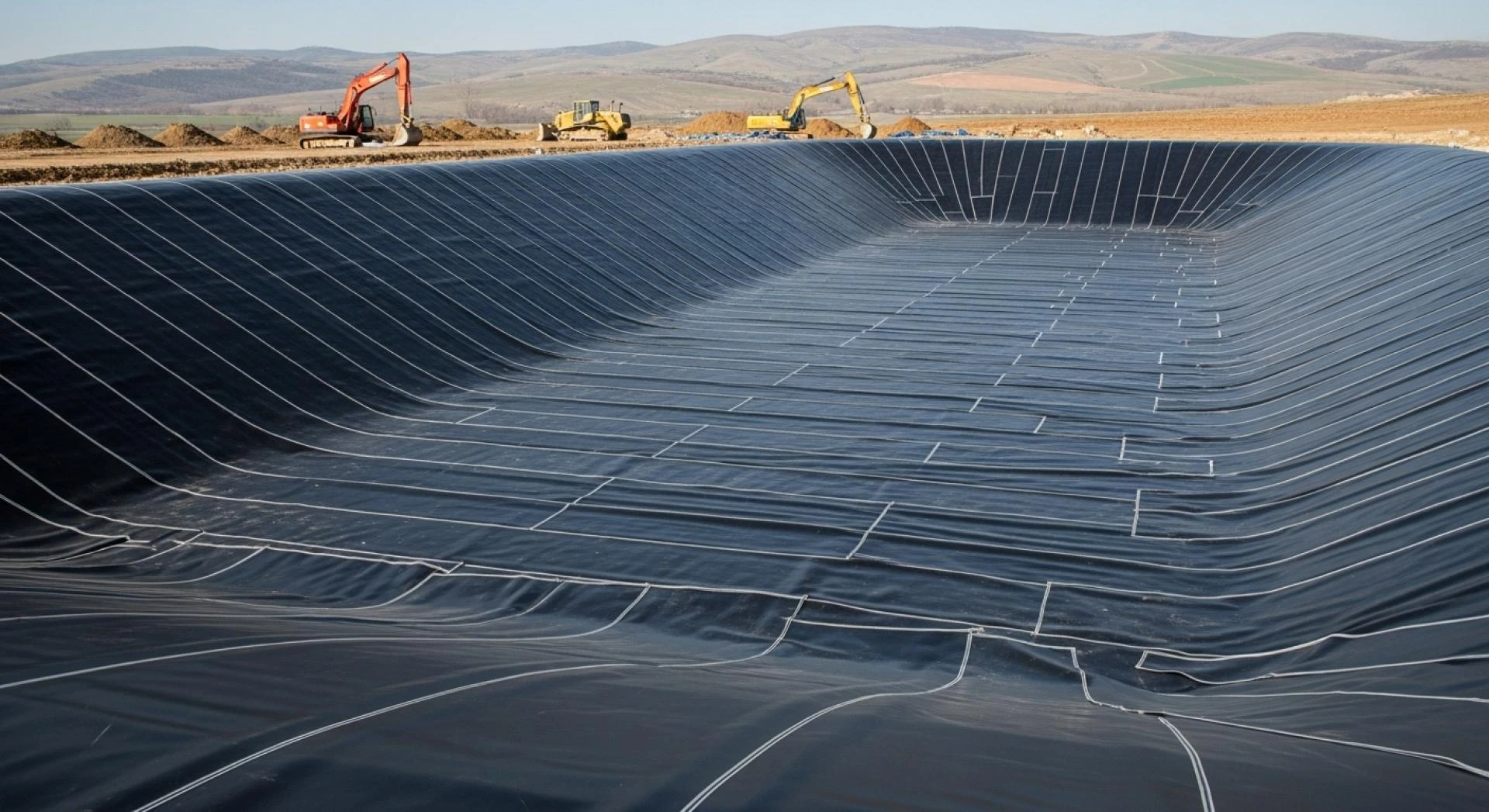
PVC Geomembrane has become a fundamental material for modern construction, industrial containment, and environmental protection. Its flexibility, impermeability, and long-lasting performance make it ideal for projects ranging from water conservation to textile wastewater management.
With increasing emphasis on sustainability and efficiency, industries worldwide are turning to PVC Geomembrane for reliable, eco-friendly solutions. By choosing a trusted supplier like NM Geo Synthetic, companies can ensure that their projects meet the highest standards of safety, quality, and environmental responsibility.
As infrastructure and industries continue to evolve, the importance of PVC Geomembrane will only grow, solidifying its place as a key component in building a more sustainable and resilient future.

























Sign in to leave a comment.