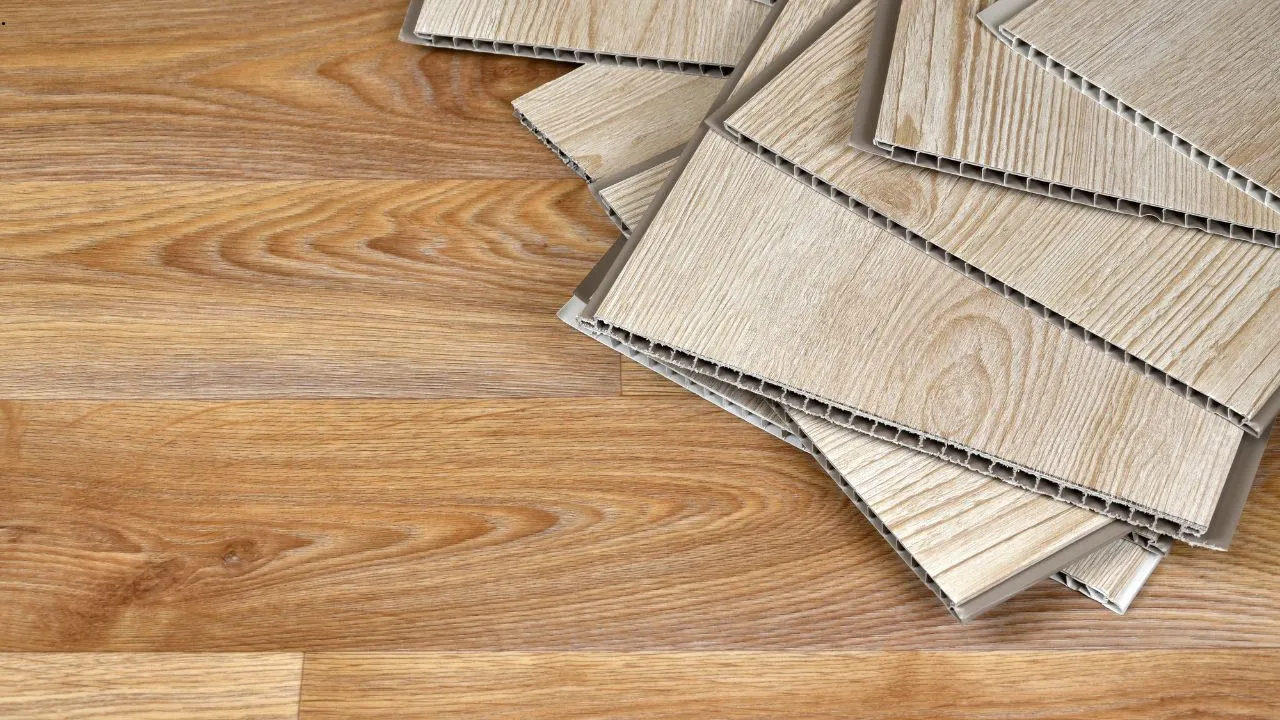

PVC glue is an essential component in the installation of hygienic wall cladding systems, providing a strong and durable bond between panels and substrates. Whether used in commercial kitchens, healthcare environments, or general construction projects, the right adhesive ensures that PVC sheets and trims are securely fixed in place for long-term performance.
Choosing the correct PVC glue is critical to achieving a professional finish, maintaining hygiene standards, and ensuring the longevity of the installation.
What Is PVC Glue?
PVC glue refers to a range of adhesives specifically formulated to bond PVC materials to various surfaces. Unlike standard adhesives, PVC glue is designed to work with the smooth, non-porous nature of PVC, creating a strong and lasting connection.
There are different types of PVC adhesives available, including solvent-based adhesives, MS polymer adhesives, and two-part polyurethane (PU) adhesives. Each type offers specific benefits depending on the application and environment.
In wall cladding installations, PVC glue is used to fix sheets directly to walls, as well as to secure trims, profiles, and other finishing components.
Types of PVC Adhesives
One of the most commonly used options is MS polymer adhesive. This type of glue provides excellent initial grab, flexibility, and strong bonding properties. It is suitable for a wide range of surfaces and is often used in standard installations.
Two-part polyurethane (PU) adhesive is another popular choice, particularly in environments exposed to moisture or temperature fluctuations. It offers a very strong bond and is ideal for more demanding applications where extra durability is required.
Solvent-based adhesives are also used in certain applications, although they are typically more specialised and require careful handling.
Selecting the right adhesive depends on factors such as the substrate, environmental conditions, and the size and weight of the panels being installed.
Key Benefits of PVC Glue
One of the main advantages of PVC glue is its ability to create a strong and secure bond. This ensures that cladding panels remain firmly in place, even in environments subject to temperature changes or moisture.
Ease of application is another important benefit. Many modern adhesives are supplied in cartridges or tubs, making them easy to apply using standard tools such as sealant guns or spreaders.
Flexibility is also a key feature, particularly with MS polymer adhesives. This allows the bond to accommodate slight movement in the substrate without cracking or failing.
In addition, high-quality PVC adhesives are resistant to moisture, chemicals, and cleaning products, ensuring long-term performance in hygienic environments.
Applications in Cladding Installations
PVC glue is widely used in the installation of hygienic wall cladding sheets. It allows panels to be fixed directly onto walls without the need for extensive mechanical fixings, creating a smooth and uninterrupted surface.
It is also used to secure trims and profiles, ensuring that all edges and joints are properly sealed. This helps maintain hygiene by reducing gaps where dirt or moisture could accumulate.
Beyond cladding, PVC glue can be used in other applications, such as bonding plastic components, securing panels in construction projects, and general repair work.
Installation Best Practices
To achieve the best results, it is important to prepare the surface properly before applying PVC glue. Walls should be clean, dry, and free from dust, grease, or loose materials.
Adhesive should be applied evenly, following the manufacturer’s guidelines for coverage and spacing. In cladding installations, this often involves applying beads or spreads of adhesive across the back of the panel.
Panels should be positioned carefully and pressed firmly into place to ensure full contact with the adhesive. Allowing sufficient curing time is essential to achieve maximum bond strength.
Maintenance and Long-Term Performance
Once cured, PVC glue requires little to no maintenance. High-quality adhesives are designed to provide long-lasting performance, maintaining their bond strength over time.
Their resistance to moisture and cleaning products ensures they continue to perform effectively in hygienic environments, even with regular cleaning and use.
A Key Component in Cladding Systems
PVC glue plays a crucial role in the success of any cladding installation. By providing a strong, reliable bond, it ensures that panels and trims remain securely in place while maintaining a clean and professional finish.
For any project involving PVC wall cladding, selecting the right adhesive is just as important as choosing the panels themselves. With the correct PVC glue, installations can achieve long-term durability, improved hygiene, and a high-quality result.





















Sign in to leave a comment.