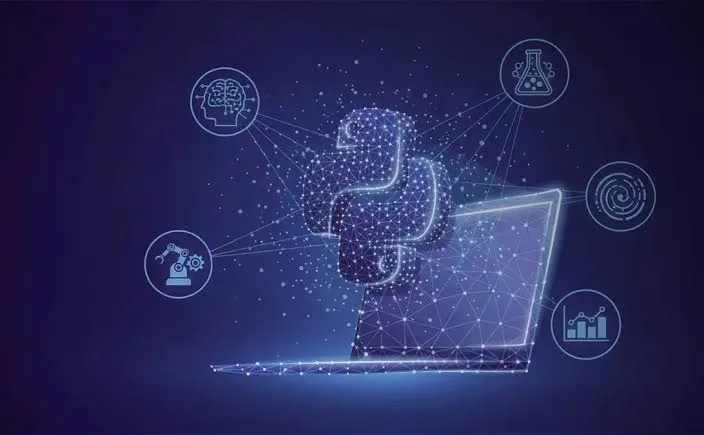

AI is no longer simply a feature added to software. It is becoming part of how applications support customer experiences, employee workflows, business processes, and decision-making. Stack Overflow's 2025 Developer Survey found that 84% of developers are using or planning to use AI tools in their development process, up from 76% the previous year. Python adoption also increased by seven percentage points over the same period, reflecting its growing role in AI, data science, and back-end development.
Adopting AI, or simply writing code in Python, doesn't make an application AI-ready on its own. That readiness comes from somewhere else: an architecture flexible enough to absorb change, data that people can actually get to, integrations that hold up under load, security built in rather than bolted on, and code that the next engineer can maintain without starting over. Put those pieces in place, and the real question for technology leaders isn't whether to adopt AI, most already have, or are about to. It's whether their Python development approach can carry today's workload while leaving room for the AI use cases that haven't been built yet.
Why Application Development Now Requires AI Readiness
AI is Becoming Part of Everyday Business Operations
AI has worked its way into places that used to run entirely on human judgment:
- Automated recommendations in customer-facing products
- Analytics dashboards employees check daily
- Systems that flag what needs attention before a person even looks
As those use cases land inside applications that already run core operations, those same applications need to exchange data with AI services on the fly, not through a redesign every time a new capability gets introduced.
The Cost of Building Only for Today's Requirements
An application built strictly around what the business needs right now tends to get harder to work with as that need shifts:
- Data stays fragmented instead of consolidating
- Integrations get bolted on rather than designed in
- Technical debt accumulates with each new addition
- AI adoption slows down later, because every new capability has to fight through the same accumulated mess
Where Python Development Fits Into an AI-Ready Application Strategy
Python app development is relevant here not because it does any one of these things exceptionally well, but because the same language can support:
- Application logic
- API layers
- Data processing
- Automation scripts
- Machine learning workloads
That range matters because most AI initiatives fail not at the model stage, but at the connective tissue between the model and the actual business system it's supposed to inform. Building that kind of flexibility in from the start usually comes down to a few practical choices:
- Modular development, so one part of the system can change without dragging the rest along
- API-based integration instead of tightly coupled, custom connections
- Architecture built for the cloud from the outset, not retrofitted onto it later
- Code that's actually maintainable years down the line, not just at launch
Applications built this way tend to absorb change instead of breaking under it, which avoids the kind of full rebuild that eats budget and stalls everything scheduled behind it.
How Python App Development Fits Into an AI-Ready Strategy
Accelerating AI Adoption and Time-to-Market
When components are already reusable and APIs already exist, adding a new AI-enabled feature stops being a ground-up project. It becomes an extension of something that's already there, which is the difference between an AI use case shipping in weeks versus quarters.
Reducing Modernization and Integration Costs
The same reusability that speeds up AI adoption also cuts down on how often teams have to rebuild integration work they've technically already done once. Fragmented systems generate that kind of repeated cost quietly, project after project, until someone finally adds it up.
Improving Operational Efficiency
Automation and better data processing take manual work off people's plates directly, freeing up capacity for work that isn't just keeping the lights on.
Put together, this tends to produce:
- Faster AI rollouts
- Cheaper application changes
- Better workforce productivity
- More headroom to scale
- Stronger return on what's already been built
An actual example makes this easier to see than any of that framing does.
Using Python Development Services to Improve Supply Chain Data and Operational Efficiency
A supply chain management organization had its data scattered across disparate databases, legacy applications, and third-party platforms that had never been designed to talk to each other. That fragmentation showed up as:
- Slower decisions
- Poor visibility into what was actually happening across operations
- Inventory that didn't match demand
- A business that struggled to respond when market conditions shifted
The fix was a Python-based data integration platform:
- SQLAlchemy handled the database work across all those different sources
- The Requests library managed API calls out to external systems
- Apache Kafka streamed data in close to real time, so decision-makers were finally working from something current instead of a report that was already out of date
The results:
- 25% increase in operational efficiency
- Inventory management that finally reduced waste instead of guessing at it
- Faster response to shifting market conditions, because the business could actually see them coming
The real lesson isn't about Python as a technology. It's that the fix started with a clearly defined operational problem, and the platform built to solve it became a foundation the business could keep building on afterward.
See how Python development improves supply chain data and Operational Efficiency for supply chain management organization.
What Business Leaders Should Evaluate in Python App Development
Scalability and Integration Readiness
Before expanding any Python investment, confirm the architecture can absorb:
- More users
- New data sources
- New AI services, as they show up, not just the load it was originally sized for
Security, Governance, and Maintainability
Security and access controls need to be part of the architecture from day one, not something added after a launch under pressure. The same goes for maintainability. Code that's hard to touch six months later becomes its own kind of technical debt.
Total Cost of Ownership and Long-Term ROI
The initial build cost is almost the least useful number here. What actually matters is everything that comes after it:
- Maintenance
- Integration
- Modernization
- Future expansion, measured against the productivity and outcomes the investment actually delivers
These questions carry more weight than which technology gets chosen, because they're what determines whether an investment still holds up once the requirements inevitably change.
Making Python Development Part of an AI-Ready Modernization Roadmap
Organizations can take a practical approach:
- Assess existing applications and identify technical debt and integration gaps.
- Identify AI opportunities that support clear business goals.
- Modernize key foundations such as data, APIs, and architecture where needed.
- Build reusable capabilities instead of creating one-off solutions.
- Measure business outcomes such as efficiency and productivity.
- Scale proven use cases that deliver measurable value.
This approach helps organizations use Python development to support both current application needs and future AI requirements.
Conclusion
The right way to evaluate Python app development isn't just whether it delivers a working application today. It's whether that application can still adapt once the business has changed around it. Paired with architecture that scales, data that's actually reliable, integrations that hold up, and code that stays maintainable, Python becomes less a technology choice and more a foundation the business can keep building on as AI adoption deepens.






















Sign in to leave a comment.