
Creating a weather forecasting app with Python is an exciting project for any developer. With the help of some powerful libraries, you can create a sophisticated application that provides accurate and up-to-date weather reports to its users.
The first step in creating your own Python project weather forecasting app is to decide which language or library you want to use. While there are many languages available, Python stands out as one of the most popular options due to its flexibility and ease of use when it comes to data manipulation and analysis. Once you’ve chosen your language, it’s time to start coding!
You will need several different libraries such as Pandas for data manipulation; Matplotlib for plotting charts; SciPy for statistical analysis; BeautifulSoup4 or Requests packages if web scraping is part of your plan; NumPy & Scipy if numerical calculations are necessary etc., depending on what features you wish included in your application. You also have access to various public APIs that provide real-time information about current temperatures around the world so make sure these are integrated into the code too!
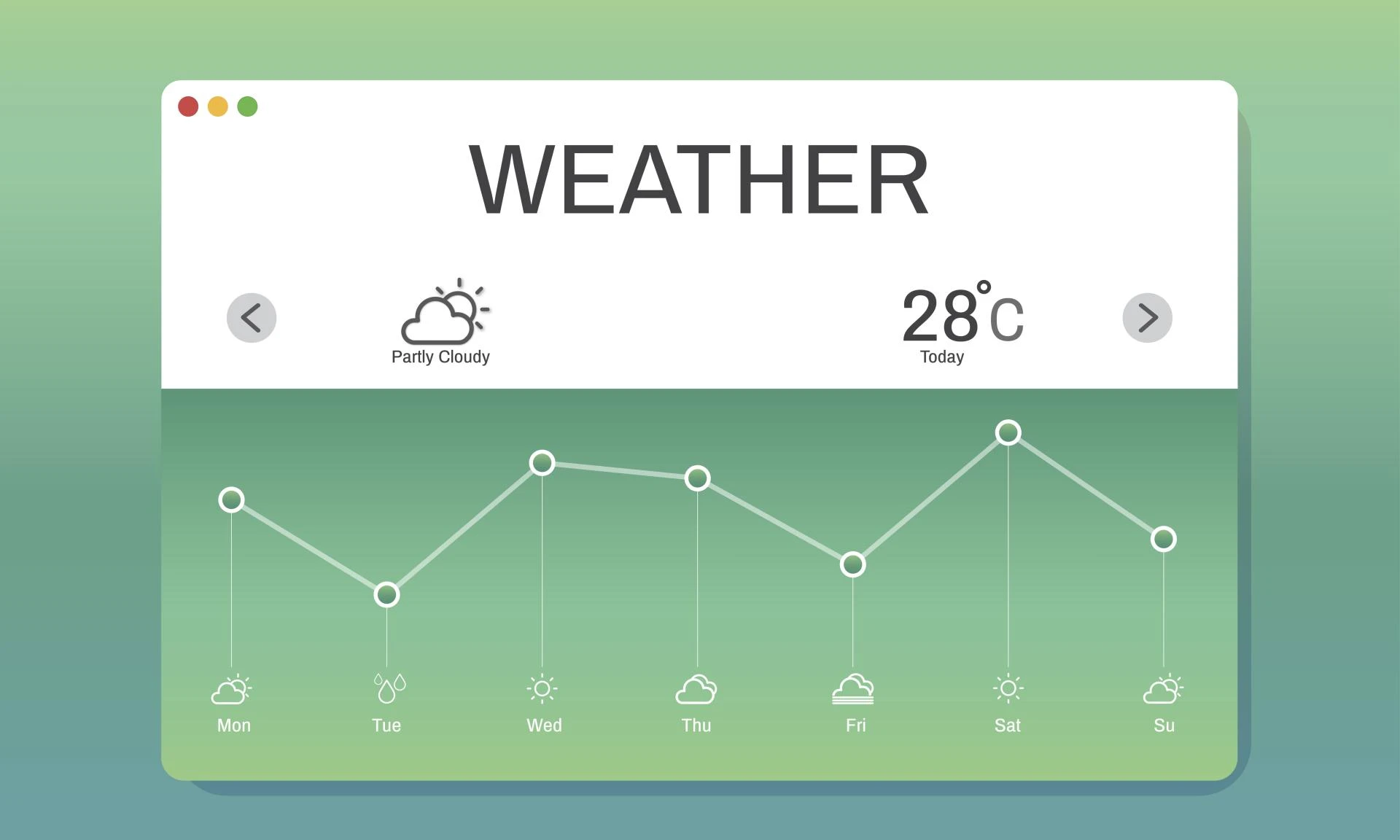
After all these components have been installed correctly, now comes the time actually write code - this includes collecting raw data from sources like historical records or online services (e.g., OpenWeatherMap), analyzing this information using algorithms/statistical methods (e.. linear regression) before finally displaying results through graphical representations like bar graphs/heat maps etcetera based on user input parameters such temperature range desired by them at a given location(s).
Finally, once everything has been tested thoroughly enough then launch day arrives whereupon people everywhere can begin enjoying benefits offered by our new creation – whether they be travellers wanting to know what kind of clothes pack their journey ahead OR farmers hoping to gain insight into upcoming harvest season...and so much more possibilities await us here!






Sign in to leave a comment.