
The Dangers of Smoking and Vaping: Protecting Your Health
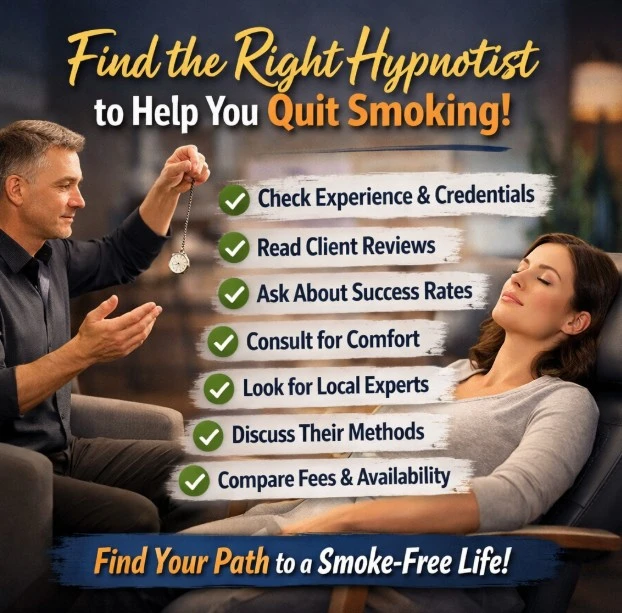
Smoking and vaping are two habits that can have a significant impact on your health. While both involve inhaling substances, the potential consequences differ. Let\'s delve into the dangers of each and explore strategies to help you quit smoking. Hypnosis can help you quit smoking.
Smoking: A Clear and Present Danger
Cigarettes contain a complex mix of over 7,000 chemicals, of which hundreds are known to be harmful and at least 70 are directly linked to cancer. These chemicals damage your lungs with each puff, leading to a multitude of health problems.
- Cancer: Smoking is the leading cause of preventable cancer deaths. It increases your risk for lung cancer, but also cancers of the mouth, throat, esophagus, bladder, pancreas, cervix, and more.
- Heart Disease: Smoking damages your blood vessels and increases your risk of heart attack, stroke, and peripheral artery disease (PAD).
- Lung Disease: Smoking is a major cause of chronic obstructive pulmonary disease (COPD), a progressive condition that makes breathing difficult. It also contributes to asthma, bronchitis, and emphysema.
- Other Health Issues: Smoking weakens your immune system, making you more susceptible to infections. It can also lead to diabetes, high blood pressure, and complications during pregnancy.
Vaping: The Unknowns Remain
Vaping, the use of electronic cigarettes (e-cigarettes), is a relatively new phenomenon. While often perceived as a safer alternative to smoking, the long-term health effects are still under investigation. Here\'s what we know so far:
- Lung Irritation and Damage: Vaping can irritate the lungs and airways, causing coughing, shortness of breath, and wheezing. It may also contribute to the development of asthma or worsen existing lung conditions.
- Nicotine Addiction: Most e-cigarettes contain nicotine, the highly addictive substance found in tobacco. This can lead to dependence and difficulty quitting.
- Exposure to Harmful Chemicals: While vaping avoids the tar and carbon monoxide of cigarettes, the flavorings and other chemicals used in e-liquids are not fully understood. Some research suggests potential links to lung damage and heart problems.
The Benefits of Quitting:
No matter how long you\'ve smoked or vaped, quitting brings immediate and long-term health benefits.
- Improved Lung Function: Your lungs begin to heal within days of quitting, making breathing easier and reducing your risk of lung disease.
- Reduced Risk of Cancer: Your risk of developing cancer starts to decrease significantly within a few years of quitting.
- Stronger Heart Health: Your risk of heart attack and stroke goes down dramatically after quitting.
- Enhanced Sense of Taste and Smell: Quitting allows you to fully enjoy the taste and smell of food and your environment.
- Boosted Energy Levels: Quitting can improve your circulation and oxygen levels, leading to increased energy.
- Financial Savings: The cost of cigarettes and vaping products can add up significantly. Quitting saves you money.
Tips to Kick the Habit:
Quitting smoking or vaping can be challenging, but it\'s incredibly rewarding. Here are some tips to help you succeed:
- Set a Quit Date: Choose a date in the near future and commit to quitting completely.
- Tell Your Support System: Inform your family, friends, and healthcare provider about your decision to quit. Their encouragement and accountability can be invaluable.
- Identify Your Triggers: Recognize situations or emotions that make you crave a cigarette or vape. Develop coping strategies like exercise, deep breathing, or talking to a friend.
- Cleanse Your Environment: Remove all cigarettes, lighters, ashtrays, and vaping devices from your home, car, and workplace.
- Consider Nicotine Replacement Therapy (NRT): NRT products like patches, gum, or lozenges can help manage withdrawal symptoms by providing a controlled dose of nicotine.
- Join a Support Group: Connecting with others who are quitting can offer motivation and share valuable tips.
- Seek Professional Help: Talk to your doctor about developing a personalized quit plan. They may recommend medications to help manage cravings and withdrawal symptoms.
Remember:
Quitting is a process, and setbacks may occur. Don\'t get discouraged – view them as learning experiences. With determination and the right support network, you can break free from smoking or vaping and reclaim your health. Here are some resources that can provide additional support:
- The National Cancer Institute: https://cancercontrol.cancer.gov/brp/tcrb/monographs/monograph-23
- The American Lung Association: https://www.lung.org/
- Smokefree.gov: https://smokefree.gov/
Taking charge of your health is an empowering journey. By quitting smoking or vaping, you invest in a longer, healthier life. Let these






Sign in to leave a comment.