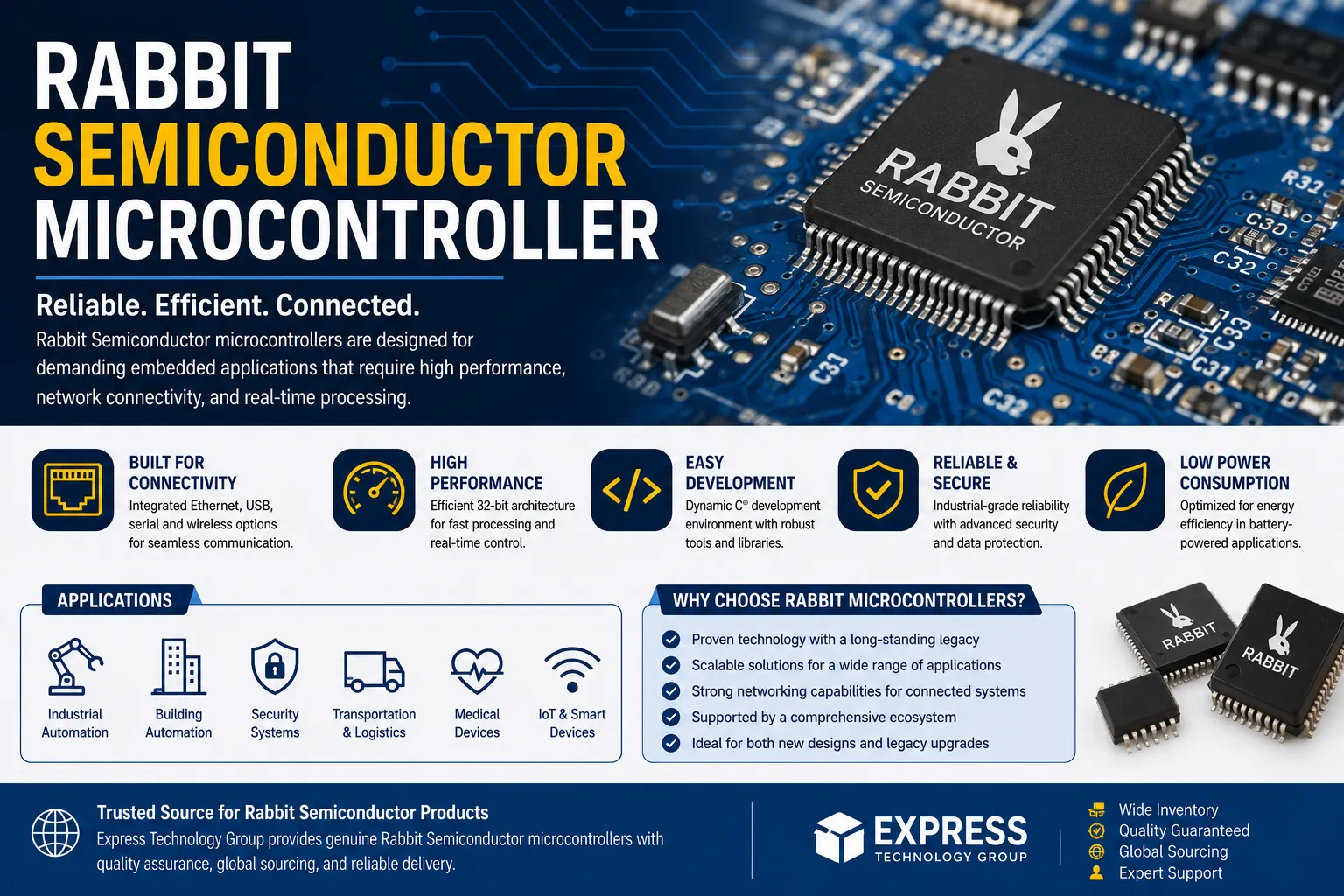

Microcontrollers are the foundation of modern embedded systems, enabling intelligent control across a wide range of industries. Among the many options available, Rabbit Semiconductor microcontrollers have gained recognition for their reliability, flexibility, and strong performance in network-enabled applications.
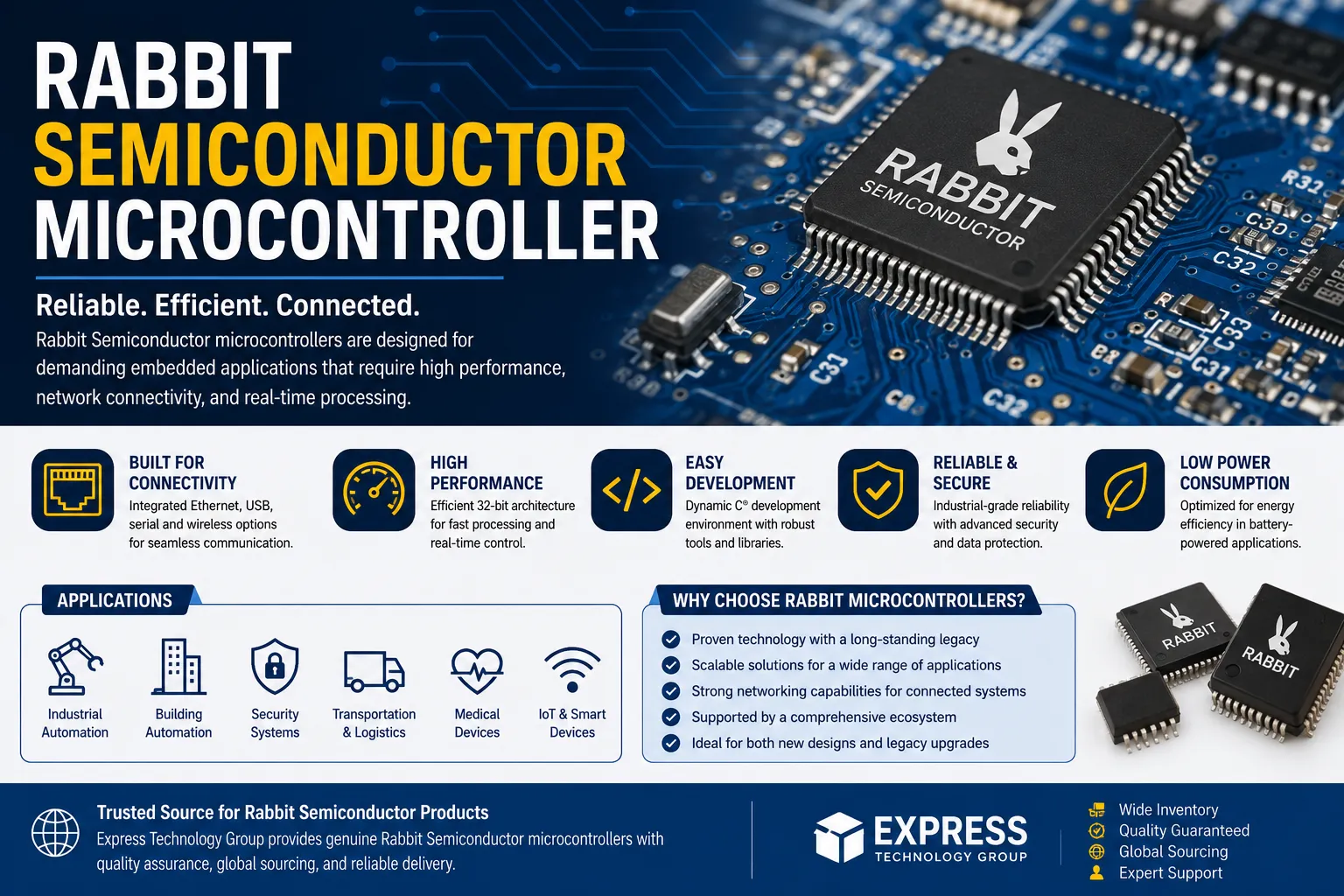
As industries continue to adopt automation, IoT, and smart technologies, Rabbit Semiconductor microcontrollers remain a practical and efficient choice for engineers and developers seeking dependable embedded solutions.
What Is a Rabbit Semiconductor Microcontroller?
Rabbit Semiconductor microcontrollers are specialized embedded processors designed for real-time control and communication tasks. The company, founded in 1983 and later acquired by Digi International, focuses on providing microcontroller solutions tailored for networking and embedded applications.
These microcontrollers are known for combining hardware and software capabilities, offering developers a complete ecosystem for building embedded systems efficiently.
Key Features of Rabbit Microcontrollers
Rabbit Semiconductor microcontrollers stand out due to several important features:
1. Optimized for Embedded Networking
Rabbit microcontrollers are widely used in network-enabled devices. They support communication interfaces such as Ethernet, UART, SPI, and I2C, allowing seamless integration with other systems.
2. Efficient Processing Architecture
The Rabbit processor family is based on a design similar to the Z80/Z180 architecture, offering efficient instruction handling and reliable performance.
Some advanced versions, like the Rabbit 4000 series, include enhanced capabilities such as expanded registers and improved processing efficiency.
3. Dynamic C Development Environment
One of the unique advantages of Rabbit microcontrollers is the Dynamic C programming environment. This platform provides built-in libraries, multitasking support, and tools specifically designed for embedded systems development.
This reduces development time and simplifies complex programming tasks.
4. Low Power Consumption
Rabbit microcontrollers are designed to operate efficiently, making them suitable for applications where power consumption is a critical factor.
5. Integrated Hardware and Software
Rabbit solutions often combine hardware modules with software tools, allowing faster deployment and easier customization for specific applications.
Applications of Rabbit Semiconductor Microcontrollers
Rabbit microcontrollers are used across multiple industries due to their versatility and reliability:
Industrial Automation
They are commonly used in control systems, machinery, and monitoring devices where consistent performance is required.
Telecommunications
Rabbit microcontrollers support communication systems, enabling data transmission and network connectivity.
Building and Security Systems
Applications include access control, surveillance systems, and smart building management solutions.
Transportation and Logistics
They are used in vehicle systems, tracking devices, and fleet management solutions.
Consumer and Embedded Devices
From point-of-sale systems to smart devices, Rabbit microcontrollers provide efficient embedded control.
These applications highlight their adaptability across both commercial and industrial environments.
Advantages of Using Rabbit Microcontrollers
Reliable Performance
Rabbit microcontrollers are designed for stability, making them suitable for long-term applications.
Faster Development Cycles
With integrated tools like Dynamic C, developers can build and deploy systems more quickly.
Strong Connectivity Options
Built-in communication interfaces make them ideal for network-based applications.
Cost-Effective Solutions
Their integrated design reduces the need for additional components, lowering overall system costs.
Flexibility
Rabbit microcontrollers can be adapted for a wide range of applications, from simple control systems to complex embedded networks.
How to Choose the Right Rabbit Microcontroller
Selecting the right microcontroller depends on your project requirements. Consider the following factors:
Performance Requirements
Evaluate processing speed, memory capacity, and workload demands.
Connectivity Needs
Ensure the microcontroller supports required communication protocols such as Ethernet or wireless connectivity.
Power Consumption
Choose a model that aligns with your energy efficiency requirements.
Development Tools
Consider compatibility with programming environments and available libraries.
Application Environment
Assess environmental conditions such as temperature, humidity, and operational stress.
By carefully evaluating these factors, businesses can select the most suitable microcontroller for their needs.
Role of Distributors in Microcontroller Supply
Reliable sourcing is essential when working with microcontrollers. Distributors like Express Technology Group provide access to a wide range of components, including microcontrollers, integrated circuits, and sensors.
These suppliers offer:
Global sourcing capabilities
Access to hard-to-find components
Quality assurance and traceability
Fast and efficient delivery
By partnering with experienced distributors, businesses can ensure consistent supply and reduce procurement risks.
Future Outlook
As industries move toward automation and connected technologies, the demand for reliable microcontrollers will continue to grow. Rabbit Semiconductor microcontrollers are well-positioned to support this evolution due to their strong networking capabilities and efficient design.
Emerging trends such as IoT expansion, smart infrastructure, and industrial digitization will further increase the need for embedded solutions that are both flexible and dependable.
Conclusion
Rabbit Semiconductor microcontrollers remain a trusted choice for embedded system development in 2026. With their combination of performance, connectivity, and ease of development, they offer a practical solution for a wide range of applications.
By understanding their features and selecting the right supplier, businesses can build efficient, reliable systems that meet the demands of modern technology.

























Sign in to leave a comment.