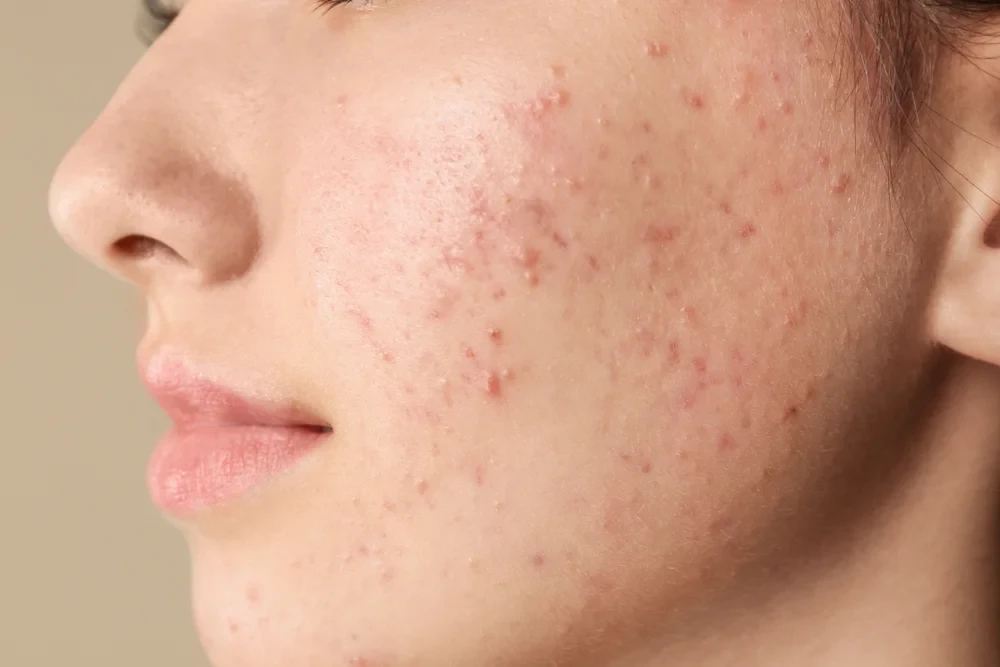

One of the main causes of scarring is injuries to the skin such as cuts, burns, and abrasions. When the skin is damaged, it stimulates the body\'s natural wound healing process which involves the laying down of collagen fibers beneath the injured area. Too much collagen deposited at the wound site leads to raised, red or brown scars. Other common causes of scarring include acne, surgery, vaccination sites and injury from sports or accidents. Understanding what causes scarring is important to help prevent or minimize scarring risks.
Treating New Scars
For new scars that have just started forming, treatment involves encouraging the body\'s natural wound healing response in a controlled manner. Keeping the scar moist with scar-fading creams or gels helps mimic the body\'s natural wound healing environment and supports cell regeneration. It also prevents the scar from drying out and becoming thickened. Silicone gel sheeting works particularly well for this and should be worn for several hours a day. Massaging the scar gently with moisturizer also helps improve circulation and breakdown scar tissue over time. Avoiding direct sun exposure on new scars prevents discoloration as healing completes.
Resurfacing Older Scars
Once scars have matured and are several months old, the focus shifts to resurfacing and remodeling the existing scar tissue. Laser scar revision has become one of the most effective nonsurgical scar treatment options. CO2 lasers work by selectively heating and destroying excess fibrotic collagen fibers just beneath the scarred epidermis. This stimulates the production of new collagen and elastin for improved texture and color. Multiple laser treatments spaced 4-6 weeks apart are usually needed to fully resurface a scar. For hypertrophic or raised scars, fractional CO2 lasers that create microscopic treatment zones have shown excellent results.
Injectable Treatments
Injectable scar treatments involve the direct placement of various agents into the scarred areas. Kenalog or corticosteroid injections help reduce inflammation and scar thickening. They work best for new scars still actively remodeling. For pigmentation issues, intralesional bleomycin injections have been used to treat raised, red and dark keloids or hypertrophic scars. Platelet rich plasma injections gained popularity as they utilize the body\'s natural wound healing and collagen stimulation properties. Fillers like Restylane can also treat significant soft tissue defects left behind by old scars. Sometimes a combination of treatments works best for optimal results.
Surgery for Severe Scarring
While minimally invasive options work well for most scarring, severe thick scars sometimes require surgical revision. Keloids or wide, raised scars that continue growing beyond the original wound boundaries often need surgical excision followed by corticosteroid injection therapy. Similar excision procedures exist for widely spreading and disfiguring burn scar contractures limiting joint mobility. During surgery, an incision is made all around the scar, it is dissected off the underlying tissues and reshaped or contoured. Postoperative Laser treatments further help minimize rescarification risk. Scar camouflage techniques also mask discoloration when scars cannot be fully removed.
Conclusion
With multiple laser, injectable and surgical scar treatment options available today, even old, severe scars can be significantly improved. Consulting a board-certified dermatologist or plastic surgeon allows assessment of the best treatment approach based on a scar\'s age, type and location. Understanding scar formation, risk factors and utilizing integrated scar therapies results in optimal scar revision outcomes. Future research continues exploring advanced scar revision techniques and scarless wound healing modalities.
Sign in to leave a comment.