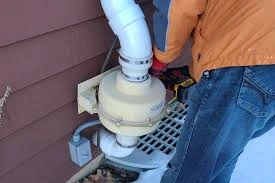

Installing a radon mitigation system is one of the smartest moves you can make to protect your home and your health. But installing it is only half the battle—keeping it in good working order is just as important. Like any system in your home, a radon system needs a little TLC to stay effective. The good news? Most maintenance is surprisingly simple, quick, and affordable.
In this guide, we’ll cover the basic maintenance steps you can take to avoid costly repairs, keep your radon levels low, and extend the life of your system. Whether you’re a DIY pro or a hands-off homeowner, you’ll find practical tips to keep your radon system working as it should—day in and day out.
Why Maintenance Matters for Your Radon System
Radon is a radioactive gas that seeps into your home from the soil. Left unchecked, it’s a leading cause of lung cancer in non-smokers. That’s why it’s so crucial your system is always pulling that gas out—not letting it build up inside your home.
Without proper upkeep, a radon system can fail quietly. And unlike a leaky pipe or a broken furnace, there’s no obvious sign—unless you’re looking.
Simple maintenance helps you:
- Keep your radon levels low and safe
- Catch small problems before they become expensive
- Avoid sudden fan failures or system breakdowns
- Ensure your investment continues to protect your health
Know Your System: What to Look For
Before diving into maintenance, it helps to understand the key components of your radon mitigation system. Here’s a quick breakdown of what most systems include:
- Suction point in the basement or crawlspace
- PVC piping running from the suction point to an exhaust vent
- Radon fan, usually located outside, in the attic, or in a garage
- U-tube manometer, a small gauge that shows if the fan is creating pressure
- Discharge point above the roofline
Understanding how these pieces work together makes it easier to spot problems early and perform quick fixes when needed.
1. Check the U-Tube Manometer Regularly
The U-tube manometer is your system’s dashboard. It’s a clear tube with colored liquid that indicates whether the radon fan is running. Here's how to read it:
- Uneven liquid levels = fan is working
- Even liquid levels = fan might be off or failed
Quick fix:
If the levels are even, check for a tripped breaker or unplugged fan. If power is on but the levels are still even, it’s time to call a professional.
Pro tip: Make it a habit to check the manometer once a month—it only takes a few seconds!
2. Listen to the Fan
Your radon fan should run continuously, 24/7. Stand near it and listen:
- Steady hum or vibration = normal
- Grinding, clanking, or silence = something’s wrong
Fans typically last 5 to 10 years. If yours is older and making strange noises, it might be wearing out.
Simple fix:
Check the outdoor outlet or GFCI switch to make sure the fan has power. If it’s noisy or not running at all, a fan replacement may be needed. Catching this early can prevent radon levels from spiking.
3. Clean and Clear the Exhaust Vent
The vent pipe that exits your roof or side wall needs to stay clear of obstructions. Over time, debris like leaves, snow, or bird nests can block airflow.
Easy fix:
Do a visual check of the exhaust outlet each season—especially after storms or in the fall. If needed, use a ladder and a flashlight (safely!) to make sure nothing is clogging it.
Tip: Consider installing a vent screen to keep critters out—but make sure it doesn’t restrict airflow.
4. Watch for Cracks or Loose Piping
Over time, your home shifts, pipes settle, and seals can loosen. This can allow radon to leak back into your living space.
Look for:
- Loose pipe connections
- Cracked PVC
- Gaps in sealed suction points
- Moisture damage around joints
Simple fix:
Use PVC primer and cement to re-seal joints. For suction points, apply fresh caulk or expanding foam if seals appear worn.
Warning: Never tape over a broken pipe—it’s a temporary band-aid, not a solution.
5. Perform Annual Radon Testing
Even if everything seems to be working fine, the only way to know for sure is to test your home’s radon levels.
You can use:
- Short-term kits: Great for a quick snapshot
- Long-term digital monitors: Best for continuous tracking
Important: Test at least once a year, or more often if:
- You’ve had construction work done
- The system was off temporarily
- You notice fan or system issues
Simple fix:
Pick up a test kit at your local hardware store or online. It’s cheap, easy, and could give you real peace of mind.
6. Keep the Area Around the System Clean
The space around your suction point or fan shouldn’t be cluttered. Stored boxes or debris can cause:
- Airflow restrictions
- Moisture buildup
- Damage to system parts
Quick fix:
Clear a 3-foot area around the fan and pipes. Sweep away dust and cobwebs, and make sure nothing is leaning on the pipes.
7. Schedule Professional Inspections Every Few Years
Even with regular DIY maintenance, it pays to bring in a certified radon professional every few years. They’ll perform:
- Airflow and suction diagnostics
- Smoke testing for leaks
- Fan efficiency checks
- Compliance reviews (especially if codes have changed)
Bonus: They may spot minor issues that could become big problems later.
Quick tip: Choose a pro certified by NRPP or NRSB—they follow national safety and quality standards.
8. Keep Records of Maintenance and Testing
Good records help you:
- Track radon levels over time
- Prove your system works (helpful for resale)
- Show repair or fan replacement history
- Keep warranty information handy
Use a simple notebook, spreadsheet, or phone app to log:
- Test results
- Inspection dates
- Fan installations or repairs
- Manometer checks
9. Consider Adding a Radon System Alarm
For extra peace of mind, install a radon system alarm. These devices alert you when:
- The fan stops
- Pressure drops
- Radon levels spike (if paired with a monitor)
Some models even connect to your smartphone, so you’ll know instantly if something changes.
10. Don’t Ignore Warning Signs
If your radon levels suddenly increase or you notice:
- Odd smells
- Water leaking from pipes
- Loud fan noises
- Manometer fluid stuck or missing
...don’t wait. Take action fast. A small issue can turn into a health risk if ignored.
Conclusion: Small Fixes Now = Big Protection Later
Radon system maintenance doesn’t have to be complicated or expensive. In fact, most of it can be handled with just a few minutes each month. A quick glance at your manometer, a check of the fan, and an annual radon test can save you from costly repairs—or worse, dangerous radon exposure.
Remember, radon is silent—but that doesn’t mean your system should be. Stay proactive, stay safe, and give your radon system the attention it needs to keep protecting what matters most: your family and your home.
Need help with your radon system maintenance or testing? Contact a local radon professional like Radon Mitigation Spokane WA and make sure your home is safe for years to come.





















Sign in to leave a comment.