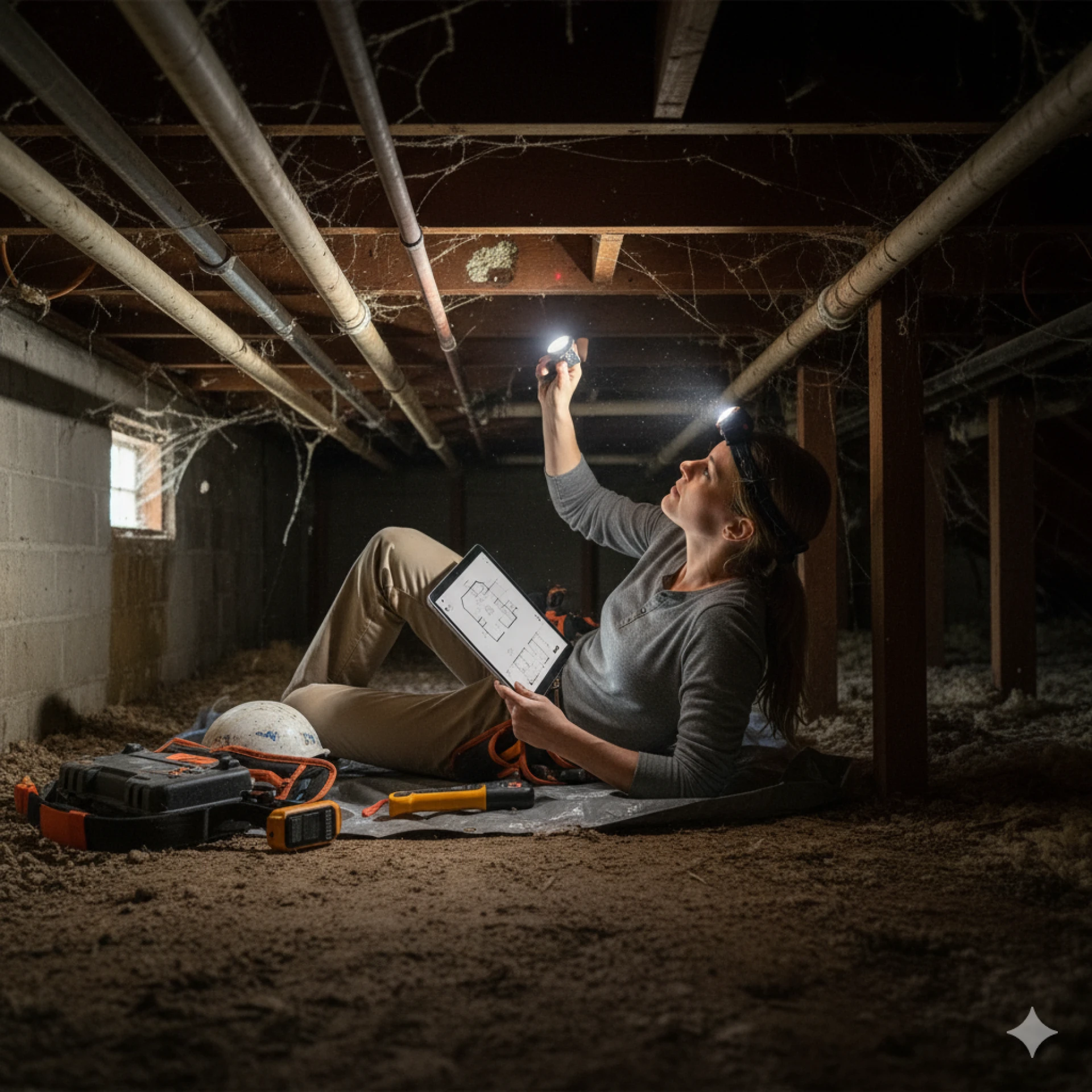

When buying a home, most people focus on visible issues like the roof, plumbing, or foundation. But one of the biggest threats to your family’s health is something you can’t see, smell, or taste—radon gas. This invisible radioactive gas can silently seep into your home and raise your risk of lung cancer without you ever knowing. That’s why radon testing is one of the most critical parts of any home inspection.
However, not all home inspectors approach radon testing with the same level of care and expertise. If you want to make sure the home you’re buying is truly safe, you need to know how radon testing works, what inspectors should be doing, and how to verify they’re doing it right.
In this guide, we’ll walk you through everything you need to know about radon testing during a home inspection—from how the test works to red flags that could signal a problem. Whether you’re a first-time buyer or a seasoned homeowner, this is your ultimate guide to ensuring accurate, reliable radon results.
1. What Is Radon and Why Should You Care?
Before we dive into testing, let’s start with the basics: What is radon?
Radon is a naturally occurring radioactive gas that forms when uranium in soil, rock, and water breaks down. It seeps up through the ground and can enter homes through cracks in the foundation, gaps around pipes, sump pumps, or even through well water. Once inside, it becomes trapped and builds up—especially in basements and lower levels.
Here’s why you should care:
- Radon is the second leading cause of lung cancer in the U.S., responsible for over 21,000 deaths each year, according to the EPA.
- The risk is even higher if you smoke.
- Radon is present in every state and can affect homes of all ages, sizes, and styles.
The scary part? You won’t know it’s there unless you test. That’s why radon testing is a crucial part of every home inspection, and skipping it can be a costly—and dangerous—mistake.
2. Why Radon Testing Should Be Part of Every Home Inspection
Some buyers assume radon testing is optional. After all, it’s not always included in a standard home inspection. But here’s the truth: without radon testing, you have no idea whether the air in your new home is safe to breathe.
Here’s why it’s worth the extra step:
- Peace of mind: A simple test tells you whether radon levels are safe or dangerously high.
- Negotiation power: If levels are elevated, you can ask the seller to pay for a mitigation system before closing.
- Long-term health protection: Catching the problem early protects your family from years of radon exposure.
Many states now recommend or even require radon testing during real estate transactions, and most experts agree it’s a must—even if it’s not mandated where you live.
3. How Radon Testing Works: The Basics Explained
There are two main types of radon tests: short-term and long-term.
Short-Term Tests
These are the most common during home inspections because they’re fast. They measure radon levels for 2 to 7 days, usually using charcoal canisters, alpha track detectors, or continuous radon monitors (CRMs).
Short-term tests give a snapshot of radon levels but can be influenced by factors like weather and ventilation. That’s why proper setup and placement are crucial.
Long-Term Tests
These measure radon levels for 90 days or more and provide a more accurate average over time. They’re typically used after you move in or if initial short-term tests show borderline results.
For real estate transactions, short-term tests are the go-to—but only if they’re done correctly.
4. What Your Home Inspector Should Do During Radon Testing
Not every inspector handles radon testing the same way. To ensure you’re getting accurate results, here’s what a qualified home inspector should be doing:
✅ Use Calibrated, Professional-Grade Equipment
Your inspector should use EPA-approved or NRPP-certified radon testing devices. Ask about their equipment—outdated or uncertified devices can give unreliable readings.
✅ Place the Test in the Correct Location
Placement matters more than you might think. The device should be:
- On the lowest livable level of the home (often the basement)
- At least 20 inches off the floor
- Away from exterior walls, drafts, windows, and vents
- In a location where it won’t be disturbed
Incorrect placement can skew results by up to 50%, so don’t skip this detail.
✅ Maintain Proper “Closed-House Conditions”
For at least 12 hours before and during the test, doors and windows should stay closed except for normal entry and exit. This ensures that radon levels stabilize and results are accurate.
✅ Document and Explain the Process
A professional should clearly explain how the test works, how long it will take, and when you’ll get the results. They should also provide written documentation of the test conditions and final readings.
5. Red Flags That Your Inspector Might Be Doing It Wrong
Unfortunately, not every inspector follows best practices. Here are a few warning signs that should make you question the accuracy of the test:
🚩 The device is placed too high or near a window/vent.
This can dilute radon levels and produce a false “safe” reading.
🚩 They skip explaining closed-house conditions.
If windows are left open during the test, the results are essentially worthless.
🚩 They rush the test.
Any test shorter than 48 hours (unless it’s a continuous monitor with real-time data) should raise concerns.
🚩 They refuse to share calibration records.
Professional devices must be calibrated regularly—if they can’t prove that, results may be unreliable.
6. How to Choose a Home Inspector Who Takes Radon Seriously
Not all inspectors are certified to conduct radon tests, and some may treat it as an afterthought. To ensure you’re hiring someone qualified, ask these key questions before booking:
- Are you certified by NRPP or NRSB for radon testing?
- What type of testing device do you use, and how often is it calibrated?
- Do you follow EPA protocols for closed-house conditions and device placement?
- Can I see a sample radon test report?
The best inspectors will welcome these questions and provide clear, confident answers. If they hesitate or seem unsure, that’s a red flag.
7. What Your Radon Test Results Mean
Once the test is complete, you’ll get a reading measured in picocuries per liter (pCi/L). Here’s how to interpret it:
- Below 2.0 pCi/L: Excellent. Radon is present but at very low levels.
- 2.0 – 3.9 pCi/L: Acceptable, but consider long-term testing for peace of mind.
- 4.0 pCi/L or higher: Action recommended. The EPA strongly advises mitigation at this level.
If your reading is near or above 4.0 pCi/L, don’t panic—radon mitigation systems are effective and relatively affordable. Most can reduce levels by up to 99% and last for decades with minimal maintenance.
8. What to Do If Your Home Has High Radon Levels
If your home’s radon levels come back high, you have options:
🔧 Install a Radon Mitigation System
A professional can install a sub-slab depressurization system—essentially a fan and pipe that vents radon from beneath your home to the outside.
🏠 Seal Foundation Cracks and Gaps
While sealing alone isn’t enough, it helps reduce radon entry and improves mitigation system performance.
📈 Retest After Installation
Always retest your home 24–48 hours after the system is installed to ensure it’s working properly. After that, test every two years or after major renovations.
9. Why DIY Radon Testing Isn’t Always Enough During a Home Purchase
DIY radon test kits are inexpensive and widely available—but during a home purchase, they’re not the best choice. Here’s why:
- They’re more prone to user error.
- They may not meet real estate transaction requirements.
- They don’t provide documentation sellers and buyers often need.
For peace of mind and legal clarity, professional testing is the smarter choice during the buying process.
10. How to Make Sure Your Test Results Are Accurate
Even with a professional, there are steps you can take to ensure the test results are as accurate as possible:
- Confirm that closed-house conditions are maintained.
- Avoid running whole-house fans or ventilation systems during the test.
- Don’t move or tamper with the testing device.
- Ask for a written report with time-stamped data and final results.
Being proactive helps ensure the results truly reflect the home’s radon levels.
11. Radon Testing and Real Estate: What Buyers and Sellers Should Know
Radon testing can influence a real estate deal—but it doesn’t have to derail it. Here’s how both parties can handle the process smoothly:
- Buyers: Always include radon testing in your inspection contingency. If levels are high, request mitigation or a credit.
- Sellers: Consider testing before listing. A recent “clean” test can boost buyer confidence and speed up the sale.
Remember, a radon issue doesn’t mean a home is unsafe or unsellable—but ignoring it can delay or jeopardize the sale altogether.
Conclusion: Radon Testing Is Too Important to Get Wrong
Buying a home is one of the biggest investments you’ll ever make—and ensuring it’s safe from invisible threats like radon is just as important as checking the roof or wiring. The good news is, radon testing is simple, affordable, and highly effective—as long as it’s done right. Omaha Radon Pros offers professional radon testing services to help ensure your home is safe from this hidden hazard.
By understanding how radon testing works, knowing what your inspector should (and shouldn’t) do, and asking the right questions, you can make sure your results are accurate, reliable, and actionable. Whether you’re a first-time homebuyer or a seasoned real estate investor, don’t skip this crucial step.























Sign in to leave a comment.