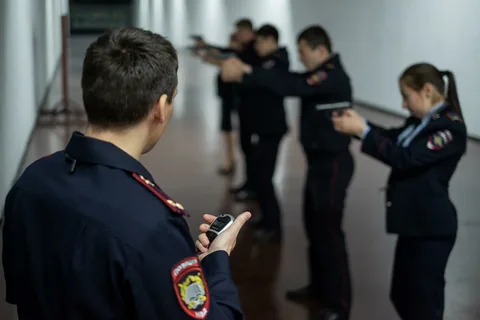

Law enforcement agencies play a crucial role in maintaining peace and order in society. To ensure the safety and well-being of the public, it is imperative that police officers receive comprehensive and effective training. In recent years, there has been a growing recognition of the need to enhance and evolve Police Training Courses to meet the challenges of an ever-changing world. This article explores the concept of "Raising the Bar: The Next Generation of Police Training Courses" and examines the innovative approaches being taken to equip officers with the skills they need to excel in their demanding roles.
Why is police training crucial in today's society?
Police officers encounter diverse and complex situations on a daily basis, ranging from routine traffic stops to high-stakes crisis interventions. In such scenarios, their ability to make split-second decisions while considering the safety of both themselves and the public is paramount. Adequate training not only prepares officers for the physical demands of their job but also equips them with the necessary knowledge and skills to navigate ethical dilemmas, de-escalate tense situations, and uphold the principles of justice.
The limitations of traditional police training programs
Historically, police training programs have focused primarily on the technical aspects of law enforcement, such as firearms proficiency and defensive tactics. While these skills are undoubtedly important, they do not encompass the full range of competencies required by modern police officers. Traditional training often fails to address critical areas, such as cultural sensitivity, mental health awareness, community engagement, and conflict resolution.
Furthermore, the static nature of traditional training courses, with limited opportunities for ongoing education and skill development, fails to keep pace with the evolving demands of law enforcement. To bridge this gap, the next generation of police training courses seeks to introduce innovative approaches that address these limitations head-on.
The Next Generation of Police Training Courses
The next generation of police training courses represents a paradigm shift in how law enforcement agencies approach officer education. These programs aim to provide a comprehensive and dynamic learning experience that prepares officers for the complex and rapidly evolving challenges they face on the job.
Integrating technology for enhanced learning
Incorporating technology into police training courses has the potential to revolutionize the learning experience. Geofencing For Law Enforcement, allows law enforcement agencies to monitor specific areas with precision and efficiency. Virtual reality (VR) simulations, for example, offer a safe and controlled environment for officers to practice decision-making and critical thinking skills. By immersing trainees in realistic scenarios, VR training enables them to develop the ability to respond effectively to a wide range of situations.
Additionally, online platforms and mobile applications can be utilized to deliver interactive lessons, provide access to reference materials, and facilitate ongoing professional development. These digital tools empower officers to engage with course content at their own pace and convenience, promoting a continuous learning mindset.
Emphasizing community-oriented policing
Community-oriented policing is a philosophy that prioritizes building relationships and collaboration between law enforcement agencies and the communities they serve. The next generation of police training courses recognizes the importance of cultivating strong community ties and equips officers with the skills to engage effectively with diverse populations.
Through interactive workshops, role-playing exercises, and real-world community projects, officers learn how to establish trust, promote dialogue, and address the specific needs and concerns of their communities. By fostering positive relationships, community-oriented policing not only enhances public trust but also facilitates the gathering of valuable intelligence and the prevention of crime.
Enhancing cultural competence
In an increasingly diverse society, cultural competence is crucial for effective policing. The next generation of police training courses dedicates significant attention to developing officers' understanding and appreciation of different cultures, beliefs, and perspectives. By promoting cultural competence, these courses aim to reduce bias, minimize discriminatory practices, and improve the overall quality of police service.
In-depth cultural immersion experiences, facilitated discussions, and sensitivity training are just some of the methods employed to enhance officers' ability to navigate diverse communities with respect and understanding. Cultural competence training equips officers with the skills to approach situations with empathy, adapt to cultural nuances, and defuse tensions that may arise from misunderstandings.
Strengthening de-escalation and crisis intervention skills
Law enforcement officers often find themselves in high-stress situations where the ability to de-escalate tensions and manage crises is paramount. The next generation of police training courses recognizes the importance of equipping officers with effective de-escalation techniques and crisis intervention skills.
Through scenario-based training exercises and expert-led workshops, officers learn how to assess risk, communicate effectively, and make decisions that prioritize the safety of all parties involved. These courses emphasize the use of verbal techniques and non-lethal force options, reducing the reliance on more extreme measures. By enhancing de-escalation skills, officers are better equipped to resolve conflicts peacefully and minimize the potential for violence.
Promoting officer well-being and resilience
Police work is physically and emotionally demanding, often exposing officers to traumatic events and high levels of stress. The next generation of police training courses recognizes the importance of promoting officer well-being and building resilience to mitigate the negative impact of these challenges.
Incorporating wellness programs, mental health support services, and stress management training, these courses prioritize the overall health and resilience of officers. By equipping officers with the tools to recognize and address the signs of burnout, anxiety, and post-traumatic stress disorder (PTSD), these training programs foster a culture of self-care and provide officers with the resources they need to maintain their own well-being.
Conclusion
The next generation of police training courses represents a transformative approach to law enforcement education. By integrating technology, emphasizing community-oriented policing, enhancing cultural competence, strengthening de-escalation skills, and promoting officer well-being, these courses aim to raise the bar for law enforcement agencies worldwide.


























Sign in to leave a comment.