

In the landscape of remote computing solutions, RDP (Remote Desktop Protocol) and VPS (Virtual Private Server) stand out as two prominent options. Understanding the nuances and disparities between these technologies is crucial for making informed decisions regarding remote access and management. Let's delve into the depths of RDP and VPS to unravel their unique functionalities and discern which might best suit specific requirements.
Introduction to RDP and VPS
What is RDP?
RDP, or Remote Desktop Protocol, facilitates remote connections between a user and a computer, enabling access to the desktop environment and resources.
What is VPS?
VPS, or Virtual Private Server, involves virtualization technology that partitions a physical server into multiple virtual servers, offering dedicated resources within a shared hosting environment.
Understanding RDP
Features of RDP
Best RDP boasts features like seamless access to remote systems, robust security protocols, and efficient data transfer capabilities.
How RDP works
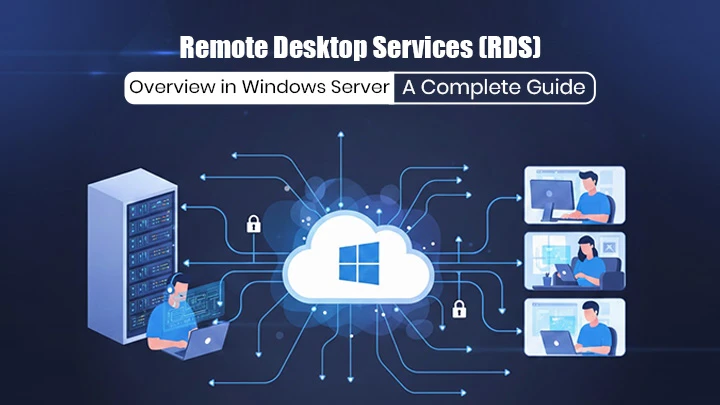
It operates by transmitting user input such as keystrokes and mouse movements to the remote computer, while the remote computer's desktop display is sent back to the client.
Understanding VPS
Features of VPS
VPS provides users with dedicated resources, scalability, and autonomy similar to a dedicated server within a shared hosting environment.
How VPS works
It operates by utilizing virtualization technology to allocate specific resources to individual virtual servers, ensuring isolation and control over the allocated resources.
Differences Between RDP and VPS
Performance and resources
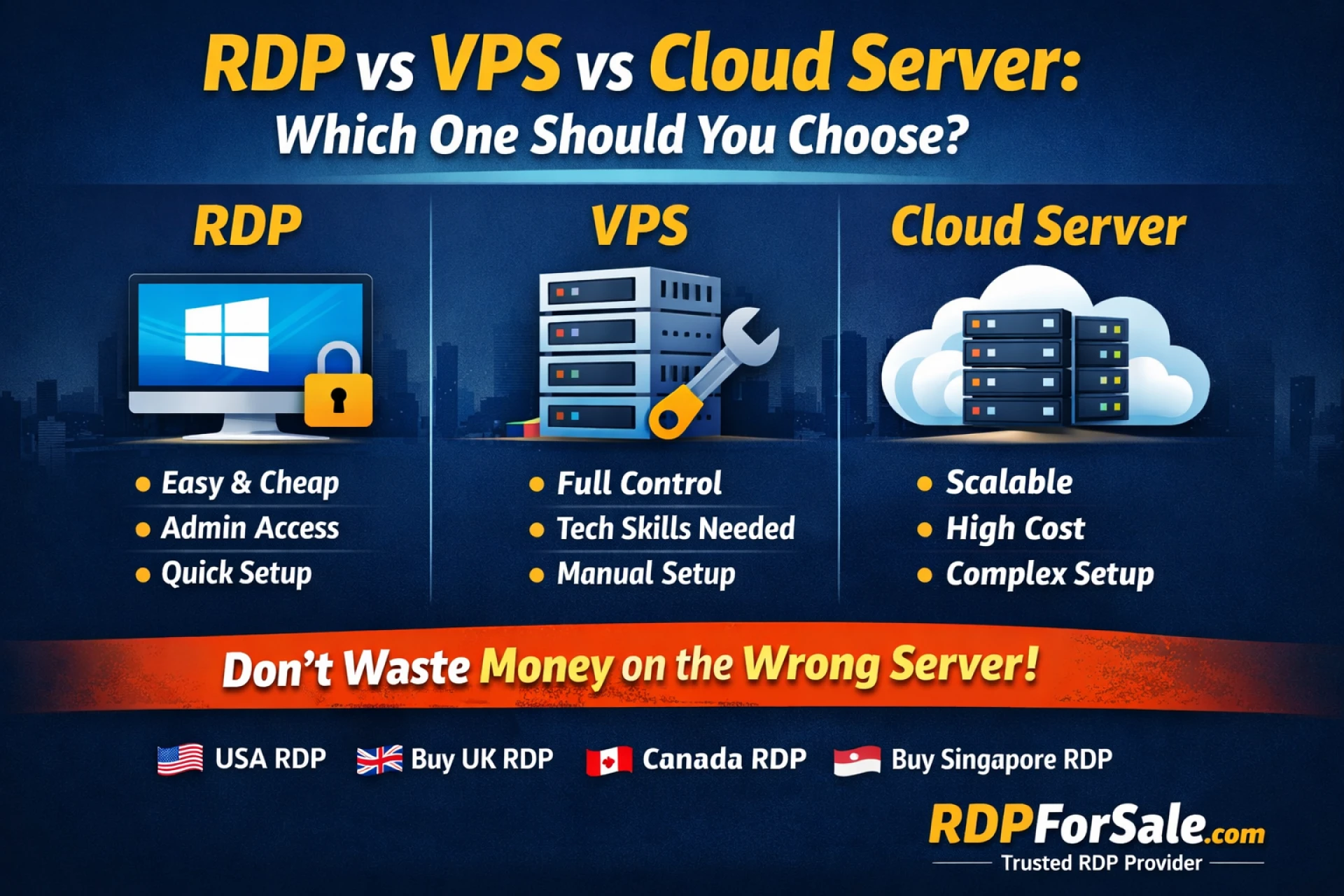
RDP typically offers shared resources and might face limitations in resource-heavy tasks, while VPS provides dedicated resources, ensuring consistent performance.
Accessibility and user control
RDP focuses on remote desktop access, whereas VPS allows greater control over the entire server environment, facilitating extensive customization.
Use cases and applications
RDP is ideal for accessing a single desktop remotely, while VPS caters to a broader range of applications, including hosting websites, running applications, and more.
Advantages of RDP
Specific benefits
RDP excels in providing seamless remote access, simplified management, and ease of use for individual desktop connections.
Usefulness in various scenarios
It proves beneficial for employees working remotely, IT professionals managing systems, and individuals requiring access to their home computers from afar.
Advantages of VPS
Specific benefits
VPS offers scalability, dedicated resources, and enhanced security, making it suitable for businesses requiring reliable hosting solutions.
Usefulness in various scenarios
It serves businesses seeking flexible hosting options, developers testing applications, and individuals needing a robust hosting environment.
Disadvantages of RDP
Limitations and drawbacks
RDP might face performance issues in resource-intensive tasks and lacks the server-wide control offered by VPS.
Instances where RDP falls short
It might not be suitable for businesses requiring server-level customization and extensive resource allocation.
Disadvantages of VPS
Limitations and drawbacks
VPS might involve higher costs compared to shared hosting and could require more technical expertise for setup and management.
Instances where VPS falls short
It might not be ideal for individuals seeking simple desktop access and might incur higher expenses compared to shared hosting solutions.
Which One to Choose: RDP or VPS?
Factors to consider
Considerations such as specific use cases, required resources, level of control, and budget play crucial roles in determining the optimal choice between RDP and VPS.
Decision-making process
Evaluate your needs thoroughly, weighing the advantages and drawbacks of each option to align with your remote computing requirements effectively.
Conclusion
In the RDP vs VPS debate, both solutions offer unique advantages tailored to distinct user needs. Choosing between them depends on the intricacies of your use case, resources, and the level of control required.







Sign in to leave a comment.