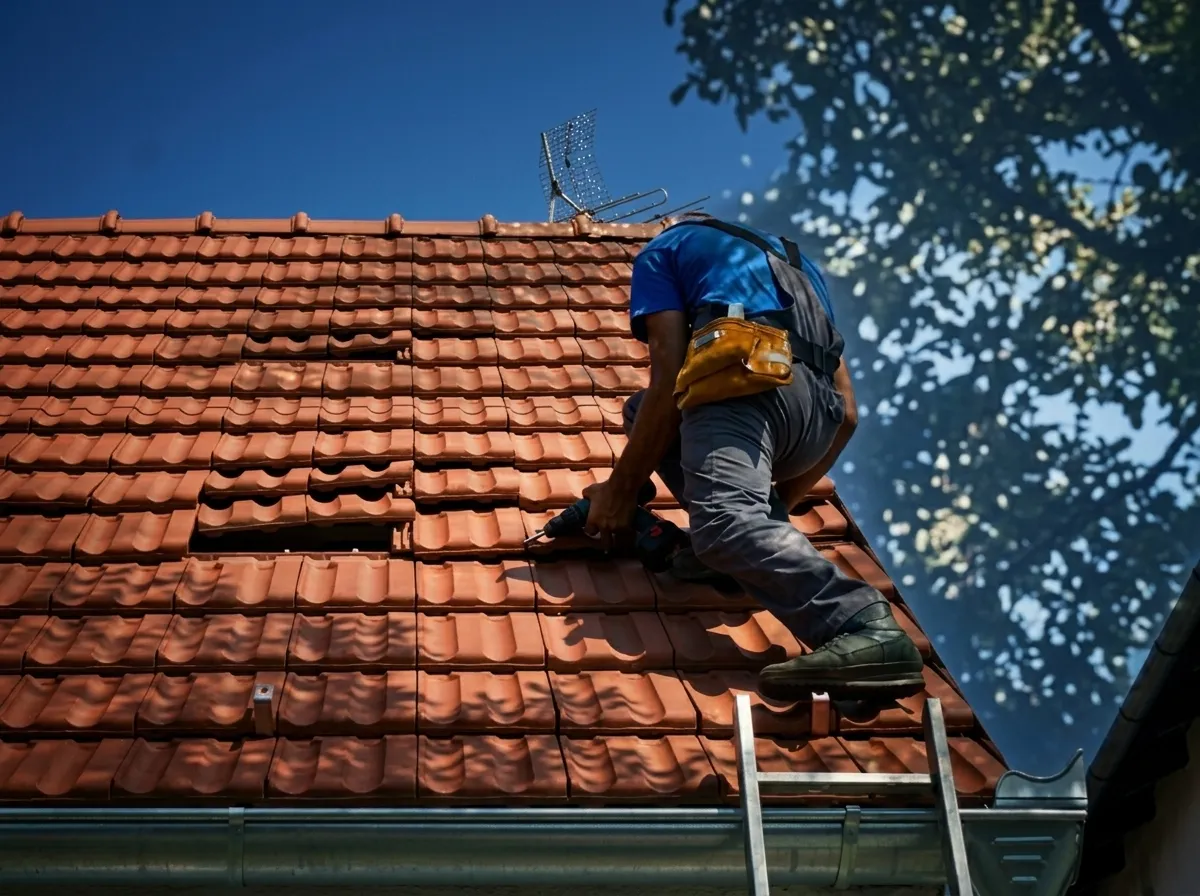

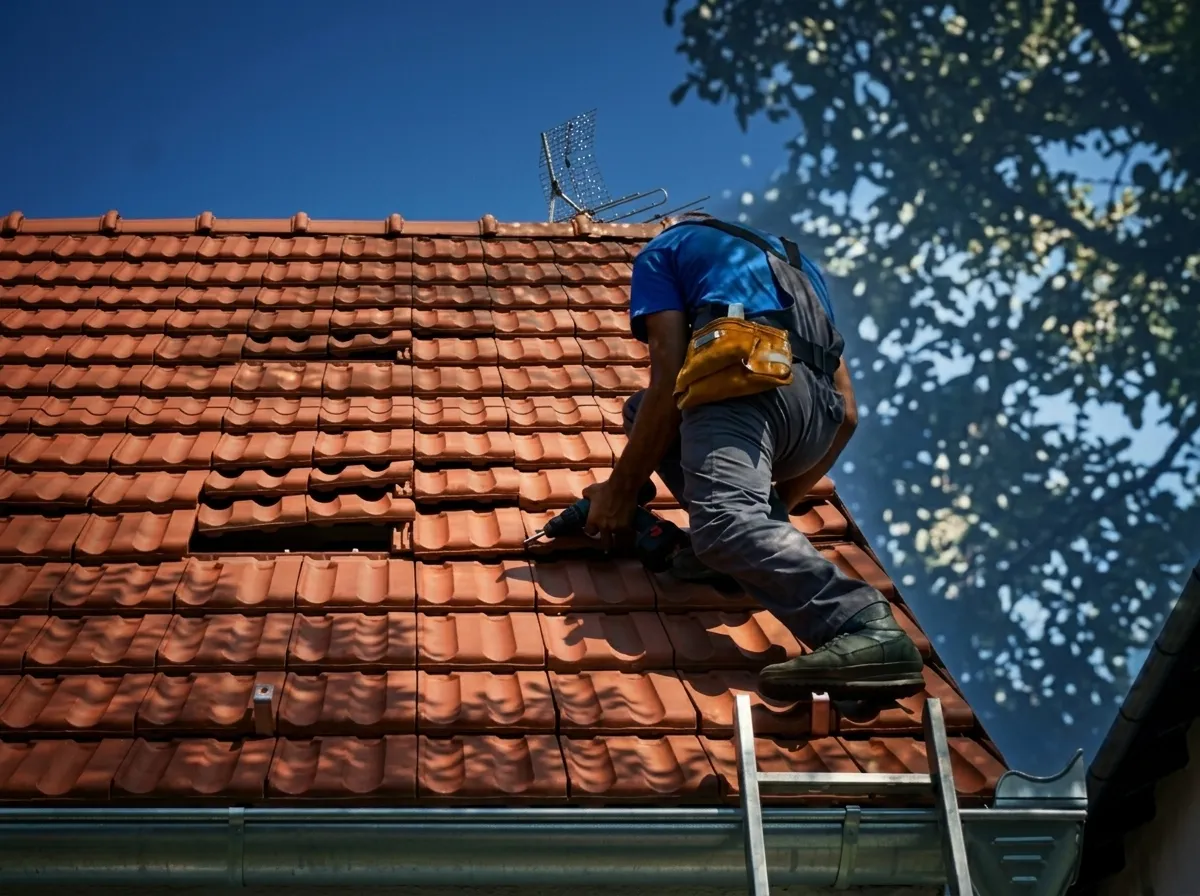
A roof that has reached the end of its useful service life may need more than isolated repairs. For homeowners considering Re Roofing in Godalming Surrey, re-roofing can provide an opportunity to address widespread deterioration and improve the condition of the roof as a whole. The right approach depends on the existing roof covering, its underlying structure, visible defects, and the property's specific requirements.
Re-roofing is a significant home improvement project, so it is worth understanding what the work involves, when it may be appropriate, and how to prepare for it before making a decision.
What Does Re-Roofing Involve?
Re-roofing generally involves removing an existing roof covering and installing a new roofing system or covering. Depending on the condition of the roof, the work may also involve inspecting the underlying components and replacing elements that are no longer suitable.
Unlike a small roof repair, re-roofing addresses a much larger portion of the roof. This can make it appropriate where deterioration is widespread rather than confined to one or two damaged areas.
A typical project may involve:
- Removing existing roof coverings where necessary
- Inspecting the roof structure and underlying materials
- Replacing damaged or unsuitable components
- Installing appropriate underlay and roofing materials
- Fitting new tiles or other roof coverings
- Addressing flashing, ridges, verges, or valleys
- Checking roof drainage and related details
The exact scope should always be determined after assessing the existing roof.
When Should You Consider Re-Roofing?
Not every ageing roof needs to be completely replaced. Re-roofing becomes a more relevant option when the roof has widespread deterioration or repeated problems that cannot be sensibly addressed through isolated repairs.
Signs of Significant Roof Deterioration
Several warning signs may indicate that a broader assessment is appropriate:
- Numerous cracked, broken, or missing tiles
- Recurring leaks in different areas
- Deteriorating mortar or roof junctions
- Widespread wear across the roof covering
- Damaged underlay or underlying components
- Persistent damp or moisture problems
- Visible sagging or other structural concerns
One damaged tile does not automatically mean the roof requires re-roofing. The important consideration is the overall condition of the system.
Re-Roofing vs Roof Repair
Understanding the difference between repair and re-roofing can help homeowners make a more informed decision.
A roof repair is generally focused on a specific defect, such as replacing a broken tile, repairing flashing, or addressing a localised leak.
Re-roofing, on the other hand, involves substantially renewing the roof covering and potentially other associated components.
Repair may be suitable when:
- Damage is localised
- Most of the existing roof remains in reasonable condition
- The underlying structure is suitable
- A targeted solution can address the problem effectively
Re-roofing may be considered when:
- Deterioration is widespread
- Problems are recurring across several areas
- The existing covering has significantly deteriorated
- Multiple components require attention
- Continuing isolated repairs is becoming impractical
The decision should be based on the actual condition of the roof rather than simply its age.
What Happens During a Re-Roofing Project?
Every roof is different, but understanding the general process can make the project easier to plan.
1. Initial Assessment
The existing roof is assessed to identify damaged coverings, moisture issues, defective junctions, and other areas requiring attention.
2. Removal of Existing Materials
Where required, the existing roof covering is carefully removed. This provides access to the underlying components and allows their condition to be assessed.
3. Inspection and Preparation
The underlying roof structure and supporting materials are checked. Any unsuitable or damaged components identified during this stage may need to be addressed before the new covering is installed.
4. Installation of New Roofing Components
Appropriate roofing materials are installed according to the roof's design and requirements. This can include underlay, battens, tiles, ridge components, flashing, and other details.
5. Finishing and Inspection
Edges, junctions, ridges, valleys, and drainage details are completed and checked. The finished roof should provide a coherent weather-resistant covering across the property.
Choosing Roofing Materials
The right material depends on the property's existing design, roof structure, appearance, practical requirements, and the available options for the project.
Tiles
Roof tiles are widely used on residential properties and are available in different materials, profiles, colours, and finishes. Replacing a roof can provide an opportunity to select a suitable covering that complements the property's appearance.
Slate
Slate can provide a distinctive traditional appearance and may be appropriate for certain properties. Its suitability depends on the existing roof construction and other project considerations.
The most important factor is not simply choosing a visually appealing material. The covering needs to be compatible with the roof and installed using an appropriate method.
Drainage and Roof Details Matter
A roof is more than its main covering. Gutters, valleys, flashing, verges, ridges, and other junctions all contribute to how effectively it manages rainwater.
During a re-roofing project, these areas should be considered rather than treating the main roof covering in isolation.
Blocked or damaged gutters can contribute to overflowing water, while defective flashing around junctions can provide routes for moisture to enter. Addressing these details as part of the wider project can help create a more complete roofing solution.
How to Prepare for Re-Roofing
Homeowners can make the process easier by discussing practical arrangements with the contractor before work begins.
Consider:
- How long the project is expected to take
- Where materials and equipment will be stored
- How access around the property will be managed
- Whether scaffolding or other access equipment is required
- How old roofing materials will be removed
- Whether internal loft access may be needed
- What weather-related delays could affect the work
Clear communication before the project starts can help reduce disruption and ensure expectations are understood.
Choosing a Re-Roofing Professional
A re-roofing project represents a substantial investment, so contractor selection deserves careful consideration.
Rather than comparing quotations based solely on price, ask what each proposal includes. A useful quotation should make it reasonably clear which roofing materials, preparation work, removal, replacement components, and finishing details are covered.
You should also ask questions about the existing roof's condition and why re-roofing has been recommended. A professional should be able to explain the reasoning behind the proposed work without relying on vague descriptions.
Maintaining a Newly Re-Roofed Property
A new roof still benefits from sensible maintenance. Gutters should be kept clear, visible damage should be investigated, and the roof should be checked after particularly severe weather.
It is also useful to monitor loft spaces and ceilings for unexpected damp or water staining. If anything unusual appears, investigating it promptly can help identify a potential issue before it becomes more extensive.
Routine maintenance does not mean carrying out unnecessary work. It simply means paying attention to the condition of the roof and its associated drainage components.
Frequently Asked Questions
How do I know if my roof needs re-roofing?
Widespread deterioration, repeated leaks, numerous damaged tiles, and problems affecting several areas may indicate that a broader roofing solution is appropriate. An inspection is needed to determine whether re-roofing is justified.
Is re-roofing the same as replacing a few tiles?
No. Replacing individual tiles is a localised repair, while re-roofing generally involves renewing a substantial part or all of the roof covering.
Can a roof be re-roofed without replacing the whole structure?
It depends on the condition of the underlying structure. If supporting components are sound, they may not all need replacement. Any damaged or unsuitable elements should be identified during assessment.
How long does re-roofing take?
The duration varies according to the size and complexity of the roof, materials used, access requirements, weather, and the extent of preparation required.
Can I stay in my home during re-roofing?
In many situations, homeowners can remain in the property, although roofing work can create noise and temporary disruption. Your contractor should explain what to expect before work begins.
Should gutters be checked during re-roofing?
Yes. Gutters and other drainage components are closely connected to roof performance. Their condition should be considered as part of the overall project.
How often should a re-roofed property be inspected?
There is no universal inspection schedule. Periodic visual checks and additional inspections following severe weather can help identify problems early.
Give Your Roof the Attention It Needs
Re-roofing can be a practical solution when a roof has widespread deterioration and isolated repairs are no longer sufficient. The key is to assess the entire roofing system, understand the underlying condition, and choose materials and construction methods appropriate for the property.
If you are planning wider property maintenance or need advice from a Roofing company in Godalming Surrey, discussing the condition of your roof with a suitable professional can help you understand the available options. A carefully planned re-roofing project can address existing deterioration while providing a sound foundation for ongoing roof maintenance.























Sign in to leave a comment.