
In competitive sports, reaction speed determines how quickly athletes respond to stimuli. Whether it's a sprinter reacting to a starting gun, a tennis player returning a fast serve, or a boxer blocking an incoming punch, fast reaction ability often makes the difference between victory and defeat.

A reaction time test is an essential tool for evaluating an athlete's ability to respond swiftly. Multiple factors influence reaction time, including age, fitness level, stimulus complexity, hydration, and cognitive ability. Through targeted training and scientific methods, reaction speed can be significantly improved, thereby enhancing overall athletic performance.
What is Reaction Time?
Reaction time refers to the duration between receiving a stimulus and initiating a response, which is a critical component in all activities requiring quick reflexes. Shorter reaction time means faster response, which is crucial in high-paced sports.
Reaction time is mainly divided into three types:
- Simple Reaction Time: Responding to a single stimulus, such as starting at the sound of a gun
- Choice Reaction Time: Selecting the correct response from multiple options, like a goalkeeper judging the direction of a penalty kick
- Complex Reaction Time: Responding to unpredictable situations, such as a basketball player anticipating an opponent's next move
The Importance of Reaction Time in Different Sports
1. Sprinting and Track Events Sprinters heavily rely on quick reactions. The faster they react to the starting signal, the better their chances of gaining an early advantage. Research shows that elite sprinters can have reaction times as low as 100 milliseconds, fully demonstrating the importance of reaction speed.
2. Tennis Tennis players must quickly respond to opponents' serves, which can exceed 150 miles per hour. Through reaction time test training, athletes can practice anticipating ball trajectories and quickly adjusting their position for returns.
3. Soccer Soccer players, especially goalkeepers, need excellent reaction times to save fast shots. The reaction time test is often used to evaluate players' quick response abilities during matches.
4. Boxing and Combat Sports In boxing, reaction time determines whether a fighter can quickly dodge incoming punches and counterattack. The faster the reaction, the better the evasion and punching effectiveness.
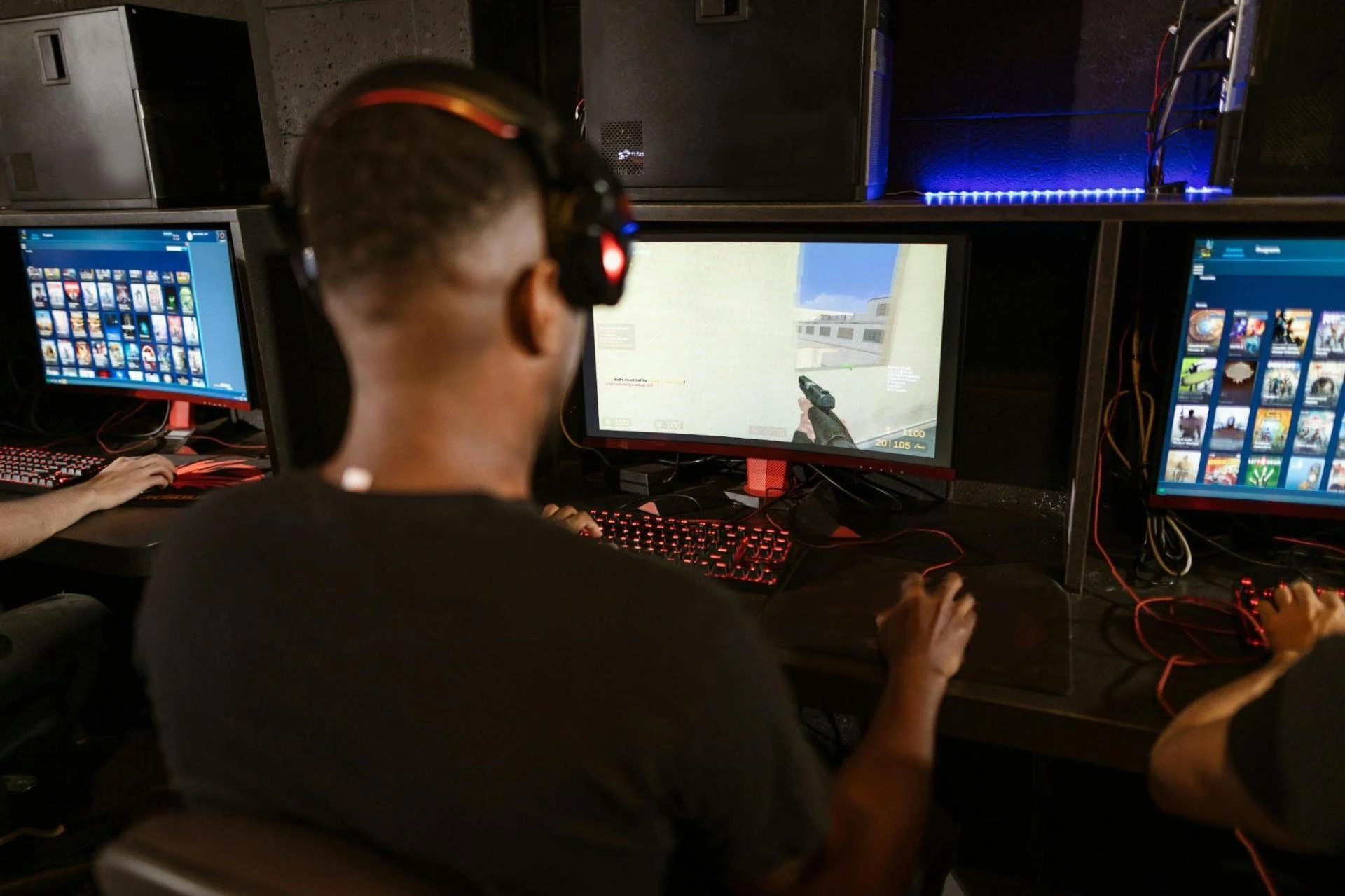
5. eSports and Competitive Gaming Competitive gaming (such as first-person shooters) requires fast reactions to respond to opponents' actions. Professional players frequently use the CPS test (clicks per second test) and CPS click test to train hand speed and reaction ability, improving accuracy and operation speed in games.
How to Improve Reaction Speed in Sports
1. Specialized Reaction Training Athletes can improve their reaction ability through various training tools and tests:
- Ball Catch Training: Have a partner suddenly drop a tennis ball and catch it as quickly as possible
- Light Reaction Training: Use LED light training equipment to practice responding to sudden stimuli
- Agility Ladder Drills: Improve foot speed and reaction time through fast-paced ladder training
- CPS click test: Improve finger flexibility and reaction speed through click speed testing
2. Strengthening Cognitive Abilities Mental training can improve reaction time test scores. Activities like chess, puzzle games, and memory challenges train the brain to process information faster.
3. Physical Training and Fitness Improving overall fitness can reduce reaction time. Key exercises include:
- Sprint Training: Enhances explosive power and agility
- Plyometric Training: Jump training improves muscle reaction speed
- Hand-Eye Coordination Training: Improve reflexes through catching or juggling practice
4. Proper Nutrition and Hydration Maintaining adequate hydration and a balanced diet supports cognitive and physical functions. Foods rich in omega-3 fatty acids (such as salmon and walnuts) enhance brain function and reaction speed.
5. Adequate Rest and Sleep Lack of sleep significantly slows reaction time. Athletes should ensure 7-9 hours of quality sleep each night to maintain optimal performance.
Testing Tools: Assessing Your Reaction Speed
There are multiple methods to assess reaction speed:
- Online reaction time test: Interactive tools measure the time to click in response to stimuli
- Ruler Drop Test: A partner suddenly releases a ruler, and the tester catches it as quickly as possible
- CPS test: Measures clicks per second to evaluate hand speed and reaction ability
- Computerized Testing: Advanced software programs can measure reaction time with millisecond precision
Factors Affecting Reaction Time
1. Age Factor Reaction time typically slows with age. Research indicates that after age 20, reaction speed declines by approximately 8 milliseconds per decade. Regular training can help slow this decline.
2. Fitness Level Athletes in peak physical condition usually have faster reaction times. Exercises that improve cardiovascular health and muscle coordination can enhance reaction time test scores.
3. Stimulus Complexity The simpler the stimulus, the faster the reaction time. Complex situations require additional cognitive processing, leading to longer response times.
4. Hydration and Nutritional Status Dehydration slows reaction time. Consuming adequate water and nutrient-rich foods ensures brain function remains sharp.
Why Fast Reaction is Crucial in Sports
1. Competitive Advantage Fast reaction time gives athletes an edge in competition. Faster reflexes mean quicker decision-making, better coordination, and superior performance.
2. Injury Prevention Athletes with fast reactions are better able to avoid injuries. Quick reflexes help prevent collisions, falls, and other sports accidents.
3. Enhanced Decision-Making Excellent reaction time test scores reflect strong decision-making abilities. Athletes must make split-second choices, such as whether to pass or dodge an opponent, all of which depend on reaction ability.
4. Overall Team Performance In team sports, players with fast reactions improve overall team efficiency. A soccer player who quickly responds to a teammate's pass can create better scoring opportunities.
Conclusion
Reaction time is a critical element of athletic performance across various sports. From sprinters and soccer players to boxers and eSports competitors, fast reaction ability provides a significant advantage. Through tools like the reaction time test and CPS test, athletes can assess and improve their reaction speed. By combining reaction training, cognitive exercises, CPS click test practice, proper nutrition, and physical conditioning, athletes can enhance their reaction speed and maximize their athletic potential.























Sign in to leave a comment.