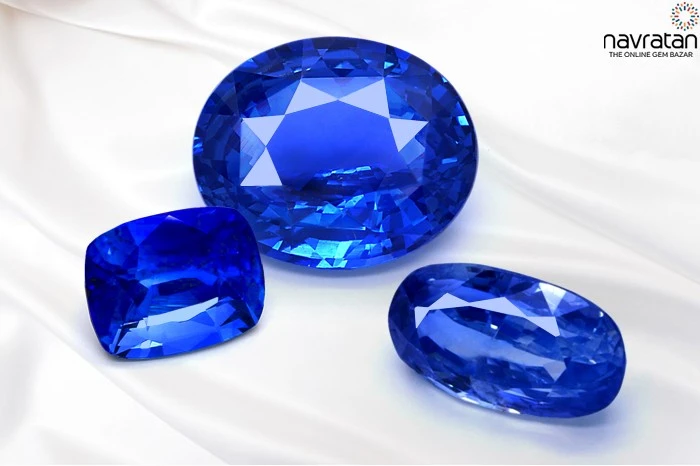

In a world where synthetic gemstones and lab-made alternatives are growing more convincing every day, distinguishing a real blue sapphire from a fake one has become increasingly challenging for buyers. Whether you’re investing in a dazzling blue sapphire ring or planning a meaningful blue sapphire engagement ring, knowing how to spot the original neelam is crucial—not only for aesthetic satisfaction but also for astrological impact and long-term value.
Blue sapphire, or Neelam in Vedic astrology, is highly valued for its intense sky blue color, hardness, and spiritual qualities. However, with counterfeit stones invading the market, numerous shoppers are puzzled as to how to ascertain authenticity. Luckily, there are a few definite methods for distinguishing between a real stone and a fake. In this blog, we will discuss 7 simple ways to know if the original neelam and make a wise, well-informed purchase.
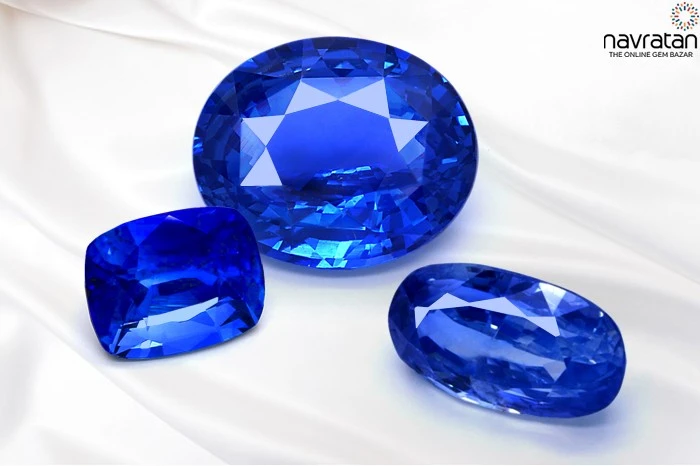
7 Easy Ways to Spot the Difference Between Real vs Fake Neelam
1. Inspect the Color Uniformity
The initial visual sign of a true blue sapphire is its color tone and intensity. A true sapphire will usually show a deep royal blue to violet-blue color that is uniformly distributed within the stone. Synthetic or imitation sapphires, however, tend to look too bright, have an unnatural sheen, or have irregular coloring.
Natural sapphires can have some variation in tone, but it is subtle and natural. If the color appears to be too perfect or too uniform, it might be a lab-created replica.
2. Examine the Inclusions (Natural Flaws)
The key indication of an authentic neelam is the existence of natural inclusions. These are tiny flaws created over millions of years within the Earth. Under magnification, you might notice needle-like forms (referred to as rutile silk), mineral crystals, or subtle feathering.
Faux sapphires, particularly filled or imitation ones, will either be flawless (a warning sign) or will have bubbles, whirls, or unusual patterns that nature does not produce. A jeweler's loupe or microscope will enable you to notice these variations.
3. Perform a Transparency Test
Genuine blue sapphires are usually semi-clear to clear, and some light passes through, but they still have a deep color. A counterfeit sapphire, particularly one created from colored plastic or glass, may be cloudy or very opaque.
Place the stone under a light source—if it is too bright or cloudy with no depth, it's likely not a real sapphire.
4. Request a Lab Certificate
The most surefire method to verify if your gem is an original neelam is to ask for a gemological certificate from a reputable laboratory like IGI, GIA, or GRS. A certified stone report will authenticate the stone's authenticity, origin, treatment (if any), and other crucial information.
When buying quality blue sapphire engagement rings, never overlook this step. A certified gemstone not only guarantees quality but also impacts the neelam price terribly. Treated or artificial gemstones cost significantly less compared to natural, untreated sapphires.
5. Evaluate the Weight and Density
Sapphire is dense and heavy. If you compare a blue sapphire ring to a similar-sized synthetic one, the actual ring will tend to be heavier. You can try a quick test by comparing it with another gem or a fake of comparable size and shape—if the sapphire is too light, it may be artificial.
This isn't a guarantee, but it can eliminate very blatant imitations.
6. Do the Scratch Test (With Care)
Sapphire is number 9 on the Mohs hardness scale, one of the hardest naturally occurring materials. If you are purchasing a loose stone (not mounted in jewelry), you can attempt to scratch it gently with a material of lower hardness, like a steel blade or coin.
A genuine sapphire will not scratch easily. But be careful—this test can harm both authentic and imitation stones if done improperly, and it is safer to let professionals do it.
7. Check the Price Point
While price is appealing, an unbearably low neelam price might be a red flag. Fine blue sapphires, particularly untreated and natural sapphires from Kashmir, Sri Lanka, or Myanmar, are scarce and costly.
If you’re offered a blue sapphire ring or blue sapphire engagement ring at a fraction of the usual price, it’s likely a synthetic, treated, or imitation stone. Always research current market prices and compare with multiple sellers before purchasing.
Bonus Tip: Buy From Reputable Sources
The most valuable advice is to purchase only from well-known jewelers or gemstone dealers who offer transparency, certification, and after-sales assistance. A seasoned seller will teach you about the stone's origin, treatment, and long-term maintenance, so your investment is authentic and holds value.
Final Thoughts: Selecting the True Blue
At a time when man-made gems can be nearly indistinguishable from real ones, finding the real blue sapphire is a matter of knowledge, observation, and intelligent purchasing. Whether selecting a blue sapphire wedding ring to represent infinite love or sporting an authentic neelam for astrological reasons, authenticity counts.
By following these 7 easy methods, you’ll be well-equipped to distinguish real from fake, make confident choices, and ensure that your sapphire’s beauty and power are truly one-of-a-kind. Let your next blue gem be not just a jewel, but a genuine legacy.



























Sign in to leave a comment.