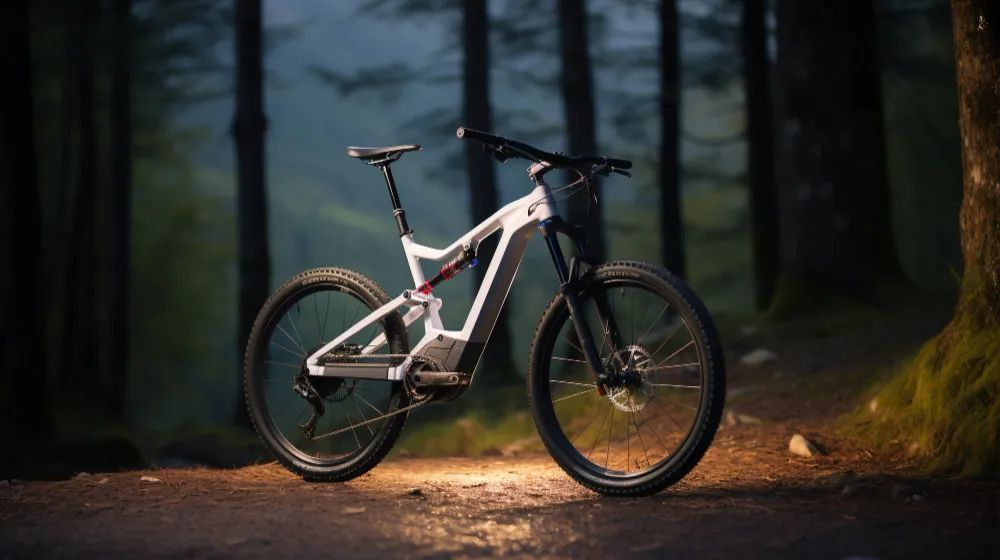

E‑bike range claims can be confusing because they’re usually based on ideal conditions. In real life, your mileage depends on battery size, rider weight, terrain, wind, tire pressure, speed, and how much help you ask from the motor. The good news is you can estimate range pretty accurately once you understand a few simple numbers.
If you’re planning to buy electric bike online, learning how to calculate real-world range helps you choose a battery that matches your commute instead of trusting optimistic marketing figures.
Step 1: Start with battery capacity (Wh)
E‑bike batteries are best compared using watt-hours (Wh).
Basic formula:
- Wh = Volts (V) × Amp-hours (Ah)
Examples:
- 36V × 10Ah = 360Wh
- 48V × 14Ah = 672Wh
Higher Wh generally means more range.
Step 2: Use “Wh per mile” as your real-world ruler
A practical way to estimate range is to divide battery watt-hours by your expected consumption.
Typical real-world consumption ranges:
- 7–12 Wh/mi: Light assist, flat terrain, efficient setup
- 12–20 Wh/mi: Normal commuting, moderate assist, mixed terrain
- 20–30+ Wh/mi: High speed, heavy rider/cargo, hills, wind, knobby tires
Range estimate formula:
- Estimated miles = Battery Wh ÷ (Wh per mile)
Example:
- 500Wh battery ÷ 15 Wh/mi ≈ 33 miles
- 500Wh battery ÷ 25 Wh/mi ≈ 20 miles
Step 3: Adjust for the biggest real-world range killers
These factors change your Wh/mi quickly:
Speed
- Faster riding increases wind resistance a lot.
- A Class 3-style pace typically uses more energy than 15–18 mph cruising.
Hills
- Climbing costs energy; long steep climbs can push usage toward the high end.
- Mid-drives often manage hills more efficiently than hub motors, but hills still reduce range.
Rider + cargo weight
- More weight increases rolling resistance and climbing cost.
- Cargo e-bikes can use noticeably more Wh/mi even at the same speed.
Tire choice and pressure
- Underinflated tires and knobby treads reduce efficiency.
- Smooth, properly inflated tires often add meaningful range.
Wind and weather
- Headwinds behave like you’re riding faster than you are.
- Cold temperatures can reduce battery performance and usable capacity.
Stop-and-go riding
- Frequent starts take more energy than steady cruising.
Step 4: Pick your “assist style” assumption
To estimate range for your own riding, choose the closest scenario:
Conservative commuter estimate (most people)
- Use 15–20 Wh/mi for a realistic day-to-day number.
Hilly or fast commuter estimate
- Use 20–28 Wh/mi if your route is steep, windy, you ride fast, or carry gear.
Efficient rider estimate
- Use 10–14 Wh/mi if you ride slower, keep assist low, and have flat terrain.
Step 5: Build in a safety buffer
For commuting reliability, don’t plan to use 100% of the battery every day.
- Aim for 20–30% buffer so detours, wind, or battery aging don’t strand you.
- Batteries also lose capacity gradually over time, so a buffer protects you long term.
Step 6: A quick checklist to improve range immediately
If your real-world range is lower than expected:
- Lower assist level one step for most of the ride
- Cruise slightly slower (biggest impact)
- Keep tires properly inflated
- Shift to a comfortable cadence (especially on mid-drives)
- Reduce unnecessary cargo weight
- Avoid hard acceleration when you don’t need it
Conclusion
Accurate e‑bike range estimates come from battery watt-hours and realistic energy use per mile. Start with your battery’s Wh, assume a practical 15–20 Wh/mi for normal commuting (higher for hills, speed, and heavy loads), and always keep a buffer for weather and battery aging. With this approach, you can predict mileage far more reliably than relying on advertised maximum range numbers.



























Sign in to leave a comment.