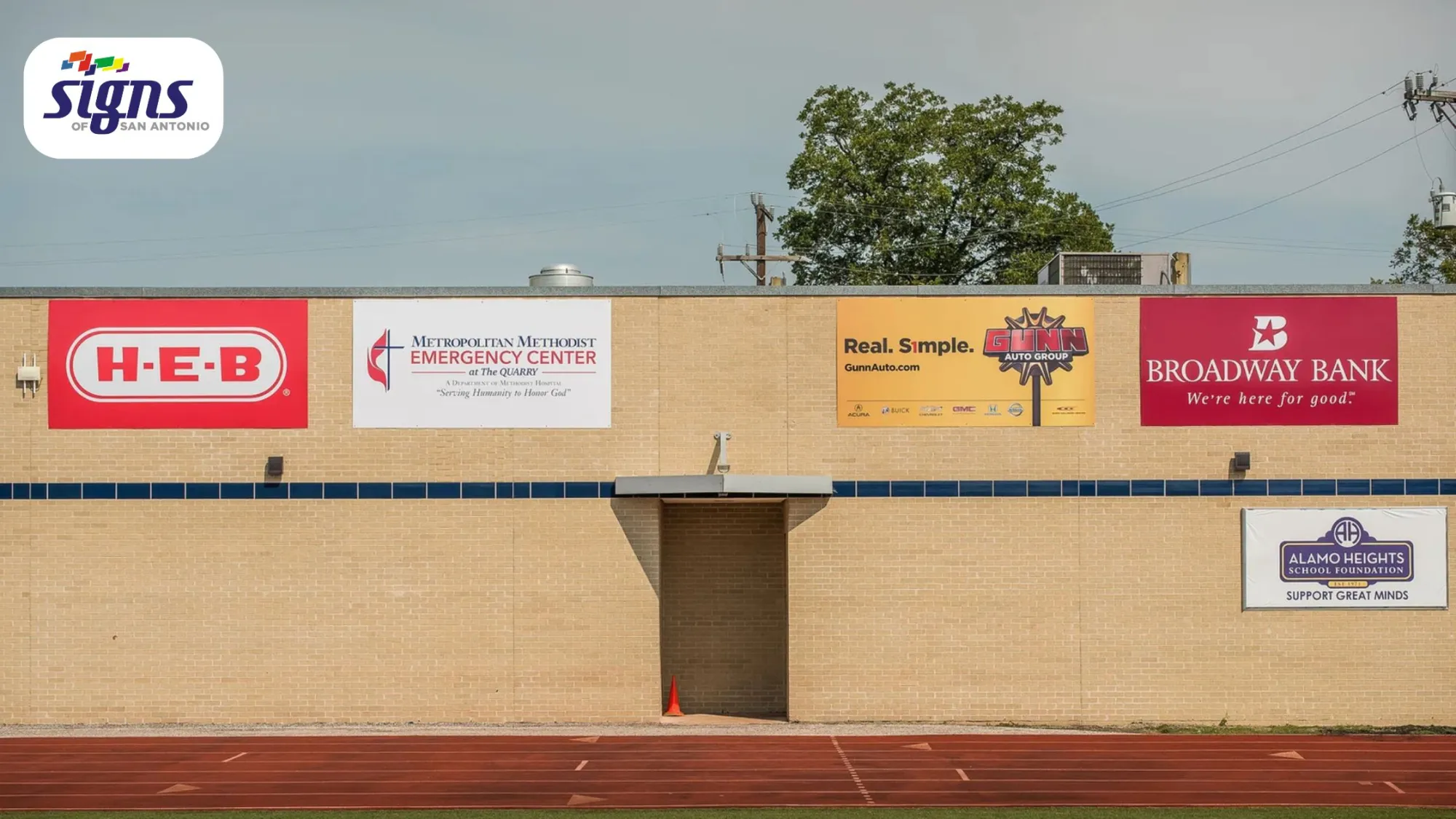

A successful rebrand is rarely defined by a new logo alone. It succeeds when customers immediately recognise that the business has evolved while still feeling confident they are engaging with the same organisation they trust. That transition is shaped as much by the physical environment as it is by advertising, websites, or social media.
This is where a rebranding business sign becomes far more than a finishing touch. It serves as the public expression of a strategic decision, translating a new brand identity into an experience customers can see, recognise, and remember. When physical branding reflects organisational change with clarity and consistency, it helps customers adapt to the new identity with confidence rather than uncertainty.
Likewise, rebranding logo design should never be viewed as an isolated creative exercise. Its real value lies in how effectively it works across every customer touchpoint, especially the physical spaces where first impressions are formed.
A Brand Changes When Customers Experience It
Businesses often begin a rebrand with internal discussions about positioning, values, and market direction. Design teams develop updated visual identities, marketing materials are refreshed, and digital platforms gradually adopt the new look.
Customers, however, experience these changes differently. Their understanding of a rebrand often begins the moment they approach a building, walk into a reception area, or pass a storefront. Physical branding becomes the point where strategy moves from internal planning to public reality.
This is why signage deserves to be considered an integral part of the rebranding process rather than an item that follows it.
Rebranding Is About Recognition, Not Reinvention
One of the most common misconceptions surrounding rebranding is that businesses should look completely different once the process is complete. In practice, the strongest rebrands usually preserve familiarity while improving relevance.
Customers rely on visual consistency to confirm they have arrived at the right place and are dealing with the organisation they already know. Sudden or disconnected changes can weaken that confidence, particularly when older signage remains alongside updated branding.
A carefully planned rebranding business sign helps bridge that gap. It introduces the new identity while maintaining the continuity customers expect, allowing the business to evolve without creating unnecessary confusion.
Why Rebranding Logo Design Extends Beyond Graphics
A logo is often viewed as the centrepiece of a rebrand, yet its effectiveness depends on far more than its appearance. It must perform consistently across digital platforms, printed materials, and physical environments that vary in scale, lighting, and viewing distance.
This broader perspective changes how businesses should approach rebranding logo design. Rather than asking whether a logo looks contemporary, decision-makers benefit from asking whether it communicates clearly wherever customers encounter it.
A strong logo supports recognition because it adapts naturally to different environments without losing clarity or meaning. Signage plays an essential role in testing that adaptability because it places the new identity into everyday commercial settings where customers interact with it repeatedly.
Physical Branding Shapes Everyday Customer Confidence
Customers rarely analyse signage consciously, yet they notice when branding feels inconsistent. An updated website paired with an outdated storefront, or refreshed marketing materials alongside ageing exterior signs, can create subtle uncertainty about the organisation itself.
Consistency across physical branding reduces that uncertainty by reinforcing the same message wherever customers engage with the business.
This includes:
- Exterior building identification.
- Reception and lobby signage.
- Directional signs across larger properties.
- Window graphics and promotional messaging.
- Interior brand elements that support the customer experience.
Each touchpoint contributes to a cohesive identity, strengthening recognition over time rather than relying on a single visual statement.
Modern Brands Need Room to Evolve
Business strategy is becoming increasingly dynamic. Organisations introduce new services, enter different markets, refine customer experiences, and adjust their positioning more frequently than in previous decades.
As this pace of change accelerates, branding must remain adaptable without sacrificing consistency. Signage should therefore support the long-term direction of the business rather than simply reflecting a moment in time.
Planning for future flexibility allows organisations to update messaging and branding more efficiently while preserving the recognition they have already built.
Build Recognition That Lasts
A rebrand achieves its greatest value when customers recognise not only what has changed, but also what has remained consistent. That balance between evolution and familiarity creates confidence, helping businesses strengthen their identity without losing the trust they have earned.
An effective rebranding business sign in San Antonio transforms strategic decisions into visible experiences that customers encounter every day. Combined with thoughtful rebranding logo design, it helps ensure that every physical interaction reinforces the same message with clarity, consistency, and purpose.
The strongest brands are not remembered because they changed the most. They are remembered because every element of the customer experience communicates the same identity, making the business easy to recognise today while remaining prepared for tomorrow.



























Sign in to leave a comment.