
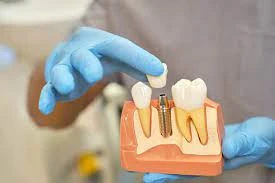
If you’ve recently undergone crowns and bridges treatment in Chembur East or are scheduled for such procedures, understanding the recovery and aftercare process is crucial. Getting inlays and onlays is a common dental procedure to repair teeth with moderate decay or damage. These restorations are less invasive than crowns and provide a durable solution that preserves much of your natural tooth structure.
However, like any dental treatment, proper recovery and aftercare are essential to ensure the longevity and success of your inlays and onlays. This blog will discuss practical and effective tips to help you recover smoothly and maintain your dental restorations for years to come.
Understanding Inlays and Onlays
Before diving into the recovery and aftercare tips, let’s briefly understand what inlays and onlays are:
- Inlays: These are used to fill cavities within the cusps (the raised points) on the chewing surface of a tooth.
- Onlays: These cover one or more cusps of the tooth, providing more extensive coverage than inlays but less than a full crown.
Both inlays and onlays are made from materials like porcelain, ceramic, or composite resin, which are strong and can be matched to the color of your natural teeth.
Immediate Aftercare: The First 24 Hours
Follow Your Dentist’s Instructions
- Your dentist will provide specific instructions tailored to your situation. Be sure to follow them carefully, as they know your individual needs and the specifics of your procedure.
Avoid Eating Until Numbness Wears Off
- The local anesthesia will numb your mouth after the procedure. To prevent accidental biting of your cheek, tongue, or lip, avoid eating until the numbness completely wears off.
Soft Diet
- For the first day or two, stick to a soft diet. Foods like yogurt, mashed potatoes, applesauce, and smoothies are good choices. Avoid hot foods and drinks until the numbness subsides to prevent burns.
Avoid Hard and Sticky Foods
- Immediately after getting your inlay or onlay, avoid hard, crunchy, or sticky foods that could dislodge or damage the restoration. This precaution is especially important during the first 24 hours.
Managing Discomfort and Sensitivity
Over-the-Counter Pain Relief
- It’s normal to experience some discomfort or sensitivity after the procedure. Over-the-counter pain relievers like ibuprofen or acetaminophen can help manage any pain. Follow the dosage instructions on the label.
Sensitivity to Temperature
- You might experience sensitivity to hot or cold foods and beverages. This sensitivity usually subsides within a few days to a week. Using toothpaste designed for sensitive teeth can help alleviate this discomfort.
Avoid Extreme Temperatures
- Avoid extremely hot or cold foods and drinks during the initial recovery period. Gradually reintroduce them into your diet as your sensitivity decreases.
Oral Hygiene Practices
Gentle Brushing and Flossing
- Maintain your regular oral hygiene routine, but be gentle around the area with the new inlay or onlay. Use a soft-bristled toothbrush and non-abrasive toothpaste to avoid irritating the treated tooth.
Rinse with Warm Salt Water
- Rinsing your mouth with warm salt water can help reduce inflammation and promote healing. Mix half a teaspoon of salt in warm water and swish it around your mouth.
Avoid Using Mouthwash Immediately
- Some mouthwashes contain alcohol or other ingredients that might irritate the treated area. It’s best to avoid mouthwash for the first 24 hours unless your dentist advises otherwise.
Long-Term Care for Your Inlays and Onlays
Regular Dental Check-Ups
- Continue to visit your dentist for regular check-ups and cleanings. These visits are crucial for monitoring the condition of your inlays and onlays and ensuring your oral health.
Good Oral Hygiene
- Brush at least twice a day and floss daily to maintain excellent oral hygiene. Proper cleaning helps prevent decay and gum disease, which can affect the longevity of your inlays and onlays.
Use a Night Guard if Needed
- If you grind your teeth at night (bruxism), your dentist may recommend a night guard. Grinding can wear down or damage your inlays and onlays, so protecting them with a night guard is essential.
Avoid Chewing Hard Objects
- Refrain from chewing on hard objects like ice, pens, or fingernails. These habits can damage your inlays and onlays or even your natural teeth.
Be Cautious with Sticky Foods
- Sticky foods like caramel, taffy, and chewing gum can pull at your inlays and onlays. While these restorations are bonded strongly to your teeth, it’s still a good idea to minimize the consumption of such foods to avoid any potential issues.
Recognizing Signs of Problems
Persistent Pain or Sensitivity
- Contact your dentist if you experience persistent pain or sensitivity that doesn’t improve after a few days. While some discomfort is normal initially, ongoing pain could indicate an issue that needs attention.
Loose or Dislodged Inlay/Onlay
- Contact your dentist immediately if your inlay or onlay feels loose or comes out. Do not attempt to reattach it yourself. Keeping it safe and bringing it to your dentist will help them fix it properly.
Cracks or Chips
- Inspect your inlays and onlays regularly. If you notice any cracks, chips, or other damage, visit your dentist. Early detection and repair can prevent further issues.
Maintaining a Healthy Diet
Balanced Diet
- A balanced diet rich in vitamins and minerals supports oral health. Foods high in calcium and phosphorus, like dairy products, leafy greens, and nuts, help strengthen your teeth and restorations.
Hydration
- Staying hydrated is crucial for maintaining a healthy mouth. Water helps wash away food particles and bacteria, reducing the risk of decay and gum disease.
Limiting Sugary and Acidic Foods
- Limit your intake of sugary and acidic foods and drinks, as they can contribute to tooth decay and erosion. If you consume them, rinse your mouth with water afterward to minimize their effects.
Conclusion
Inlays and onlays are excellent dental restorations that can effectively repair and strengthen your teeth while preserving their natural structure. Following the right recovery and aftercare tips is essential to ensure their longevity and maintain your oral health. By adhering to your dentist’s instructions, practicing good oral hygiene, managing discomfort appropriately, and being mindful of your diet and habits, you can enjoy the benefits of your inlays and onlays for many years. Regular dental check-ups are key to catching potential issues early and keeping your smile healthy and beautiful. If you have any questions or concerns about your inlays and onlays, don’t hesitate to contact your dentist. They are there to help you achieve the best possible outcome and maintain a healthy, functional smile.











Sign in to leave a comment.