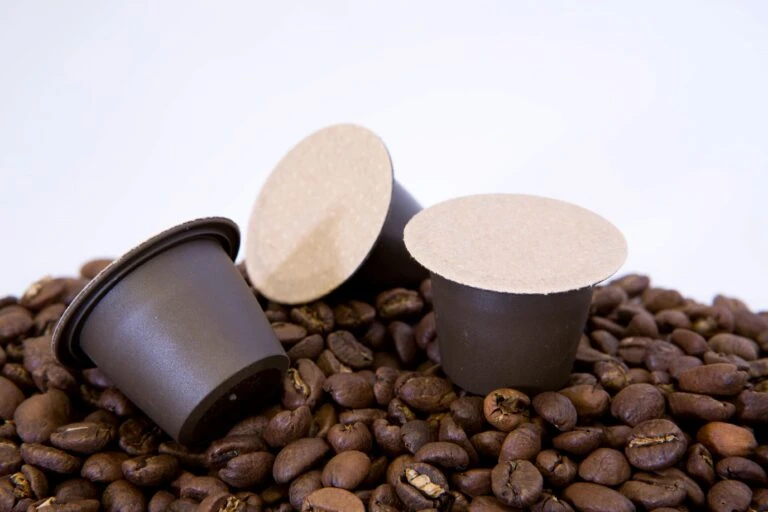

Single-serve coffee systems have become a morning staple for millions. Their convenience is undeniable, but so too is the environmental cost. Each year, billions of plastic coffee pods are discarded, many of which end up in landfills or the ocean, contributing to a growing global waste crisis. This challenge has given rise to a smarter, more sustainable solution: recyclable coffee pods.
The modern coffee consumer is increasingly eco-conscious, demanding both quality and accountability. Recyclable coffee pods are at the intersection of these values, delivering a convenient brew with a minimized environmental footprint.
The Environmental Impact of Single-Use Pods
Plastic waste is among the most urgent environmental challenges today. Traditional single-use plastic coffee pods are difficult to recycle due to their multi-layered design combining plastic, foil, and organic waste. In many recycling systems, they are either too small to be processed or too complex to be sorted efficiently.
This inefficiency leads to an estimated 40 million pods per day ending up in U.S. landfills alone. Over time, these small items accumulate into massive volumes of waste that persist in the environment for centuries. In addition to clogging landfills, a significant portion escapes into waterways, contributing to the global plastic pollution crisis that is expected to result in more plastic than fish in the ocean by 2050.
Why Aluminum is a Game-Changer
Unlike traditional plastic pods, those made from aluminum offer a significant ecological advantage. Aluminum is infinitely recyclable, meaning it can be reused repeatedly without losing quality. Roughly 75% of all aluminum ever produced is still in use today, highlighting its durability and value within circular economies.
Recycling aluminum uses up to 95% less energy than producing new material, making it not only sustainable but also energy efficient. When used in coffee pods, aluminum offers both preservation and performance. It seals in freshness better than plastic, ensures consistent flavor extraction, and is widely accepted in recycling facilities.
Brewing Without Compromise
One of the key benefits of recyclable coffee pods is that they don’t demand any sacrifice from the user. These pods are compatible with the same brewing systems people are already familiar with, including most Keurig® brewers. Consumers can enjoy the same convenience and rich taste of single-serve coffee while significantly reducing their environmental impact.
Proper disposal is simple. Used coffee grounds can be composted, and the empty aluminum pods can be tossed into the recycling bin. This process contrasts with traditional plastic pods, which often require disassembly and cleaning before they can be recycled—if they are recyclable at all.
Organic Coffee and Sustainable Agriculture
Sustainability in coffee goes beyond the pod itself. What’s inside matters too. Ethical coffee sourcing focuses on beans grown using organic practices. Organic farming avoids synthetic pesticides and fertilizers, contributing to healthier soil, cleaner water, and more biodiverse ecosystems.
Organic coffee beans also often come from smaller farms in high-altitude regions across Latin America, Africa, and Southeast Asia. These regions provide the ideal microclimates for growing high-quality Arabica beans. Supporting these farms through sustainable practices contributes to both environmental preservation and community development.
Social Responsibility in Coffee Production
Environmental sustainability and social equity are deeply interconnected. Many coffee-producing regions face economic hardship. The global coffee trade has long been criticized for benefiting large corporations while leaving small-scale farmers with minimal compensation.
Recyclable coffee pods can be part of a broader ethical commitment when paired with responsible sourcing. That includes fair trade, profit-sharing models, or partnerships that reinvest in farming communities. Supporting businesses and systems that prioritize the welfare of coffee growers helps create a more equitable supply chain.
Recycling Realities and Myths
Recycling is often touted as a catch-all solution, but not all recycling systems are created equal. While aluminum is widely accepted in municipal recycling programs, plastic remains a major obstacle. Only about 5–6% of plastic waste generated in the U.S. is actually recycled.
This stark difference underscores the importance of material choice. Consumers may feel they are doing their part by tossing a plastic pod into a blue bin, but if local facilities can’t process it, that pod still ends up in the trash. Aluminum, on the other hand, is highly sought after by recyclers and has a much higher chance of being processed and reused.
Reducing Waste Without Sacrificing Flavor
A major concern among coffee enthusiasts is whether sustainable options compromise taste. But recyclable coffee pods made from aluminum often provide a superior experience. They protect the grounds from exposure to oxygen and moisture, maintaining freshness over a longer period.
Additionally, many producers of sustainable coffee pods prioritize quality sourcing and small-batch roasting. This approach allows for a more careful extraction of flavor and a richer, more complex cup of coffee.
How Consumers Can Make a Difference
Switching to recyclable coffee pods is a simple yet powerful way to reduce daily waste. It's a small action that, when multiplied by millions of coffee drinkers, can have a meaningful environmental impact. For those already using single-serve brewers, choosing a recyclable pod option ensures that convenience does not come at the expense of sustainability.
Equally important is being an informed consumer. Reading labels, understanding where and how the coffee is sourced, and knowing what your local recycling center accepts are all crucial steps toward more responsible consumption.
The Road Ahead for Sustainable Coffee
As the demand for sustainable coffee options continues to grow, innovation in packaging and sourcing will accelerate. From fully compostable cartons to flavor-sealed lids, the future of coffee will be shaped by solutions that combine environmental responsibility with exceptional quality.
Aluminum coffee pods are not just a trend—they are a necessary evolution in how we consume one of the world’s most beloved beverages. They prove that sustainability and satisfaction can coexist, one cup at a time.
































Sign in to leave a comment.