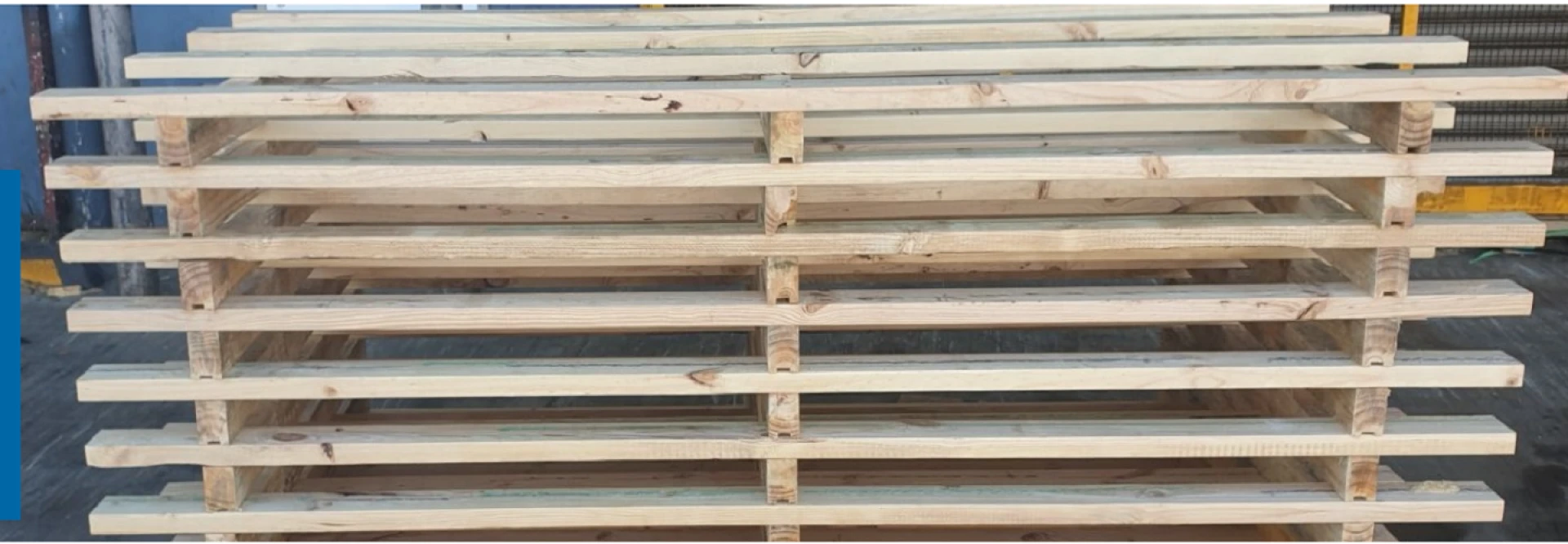
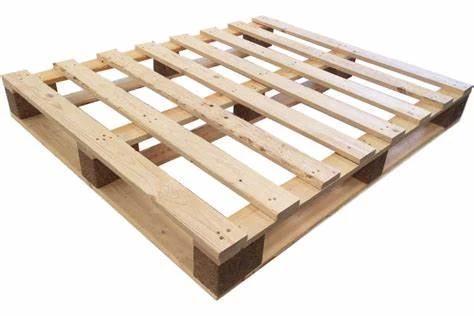
Australian business owners and exporters never pay attention to pallets until the situation arises when the shipment is held at the border. This is where questions emerge in the mind – what could be the reason behind this? Was the timber treated properly? Did the pallets meet ISPM 15 requirements? Should recycled export pallets have been avoided altogether, and others, too? These decisions sit quietly underneath every international consignment, but the fact is that they affect cost compliance and delivery timelines significantly. In short, all these questions and particularly ISPM-15 compliance, are part of the risk equation for these export pallets used as standard export pallets.
UNDERSTANDING ISPM-15 IN THE AUSTRALIAN CONTEXT
ISPM-15 standards are meant to stop pests from moving across borders through solid timber or wooden packaging. Australian exporters deal with it daily, as most exports and import is carried out with South Asia, Europe, and North America. ISPM-15 standards require timber pallets and skids to undergo approved heat treatment, and they must carry visible certification marks.
The AUSTRALIAN DEPARTMENT OF AGRICULTURE enforces these standards strictly, and exporters missing the treatment or the mark face delays, re-export costs or complete rejection at destination ports. The INTERNATIONAL PLANT PROTECTION CONVENTION (IPPC), administered by the FAO, sets the global framework and expects every company to follow the standards.
RECYCLED EXPORT PALLETS: WHERE THEY WORK AND WHERE THEY DON'T
Recycled export pallets are appealing for their price and sustainability. Australian warehouse owners already rely on reconditioned pallets for domestic transport and one-way shipping. However, the transition to export is not logical, as in that case, ISPM-15 applies, and the treatment history will be traced.
RECYCLED EXPORT PALLETS ONLY MEET ISPM-15 WHEN:
- The timber shows a clear, legible ISPM-15 stamp
- Repairs use treated timber, not untreated offcuts
- The pallet remains structurally sound for one-way shipping
Recycled export pallets and export pallets become problematic when they pass through multiple repair cycles. In these situations, this stamp fades, and the boards get replaced without any treatment.
Exporters assume compliance with ISPM-15 standards without any proof, but border agencies don't make assumptions at all, and they don't mind holding the consignment in case of any suspicions. When used correctly, recycled pallets suit:
- Low-risk destinations
- Short export routes
- Cost-sensitive, standard export freight
Getting proper treatment means supporting sustainability goals by extending the life of the timber used in recycled export pallets and euro pallets. You also reduce the garbage going towards landfill sites, and this is a growing priority for the Australian supply chain.
NEW PALLETS – THE 'COMPLIANCE FIRST' OPTION
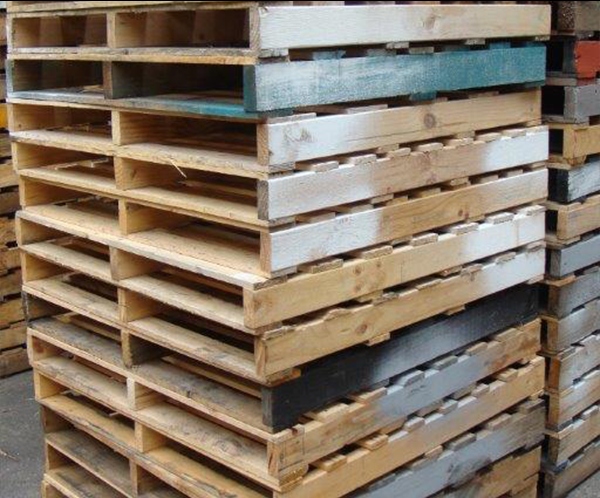
New pallets used in warehouses remove all uncertainty. Manufacturers build them specifically for export reasons, and this is why the raw material is treated at the source. The certifications apply correctly, but the higher upfront cost can be a concern. According to the experts, new export pallets suit:
- High-value goods
- Regulated markets such as the EU or the US
- Industries with zero tolerance for delays
SUSTAINABILITY ACHIEVED WITHOUT CUTTING CORNERS
Sustainability doesn't mean compromising standards. Suppliers of pallets in Australia offer certified recycled export pallets and ensure that they meet ISPM-15 standards and support global environmental targets. A practical approach works best –
- Use recycled pallets for suitable destinations
- Use new pallets for complex or high-risk exports
- Maintain clear compliance records for audits
CONCLUSION
Export pallets sit at the intersection of compliance, cost and reputation. Recycled export pallets work best when controls stay tight. The right choice depends on where goods go, how often they are shipped and how much risk they are willing to carry. A deep conversation with a specialist pallet supplier can prevent unforeseen situations, and it will be better than an expensive conversation at the port and attempts to convince professionals there.
FAQs
ARE RECYCLED EXPORT PALLETS ISPM-15 COMPLIANT?
- Yes, if they carry valid stamps and all repairs use treated timber.
- Visual inspection alone is not enough.
DO EURO PALLETS NEED ISPM-15 TREATMENT?
- Euro pallets used for export outside compliant regions must comply with ISPM-15.
ARE NEW PALLETS ALWAYS SAFER FOR EXPORT?
- They reduce compliance risk, particularly for regulated markets and high-value goods.
CAN LIGHTWEIGHT PALLETS STILL MEET ISPM-15?
- Yes.
- Treatment depends on process, not weight.
IS FUMIGATION ACCEPTABLE INSTEAD OF HEAT TREATMENT?
- Some markets accept it.
- Heat treatment remains the preferred option.



























Sign in to leave a comment.