
Introduction
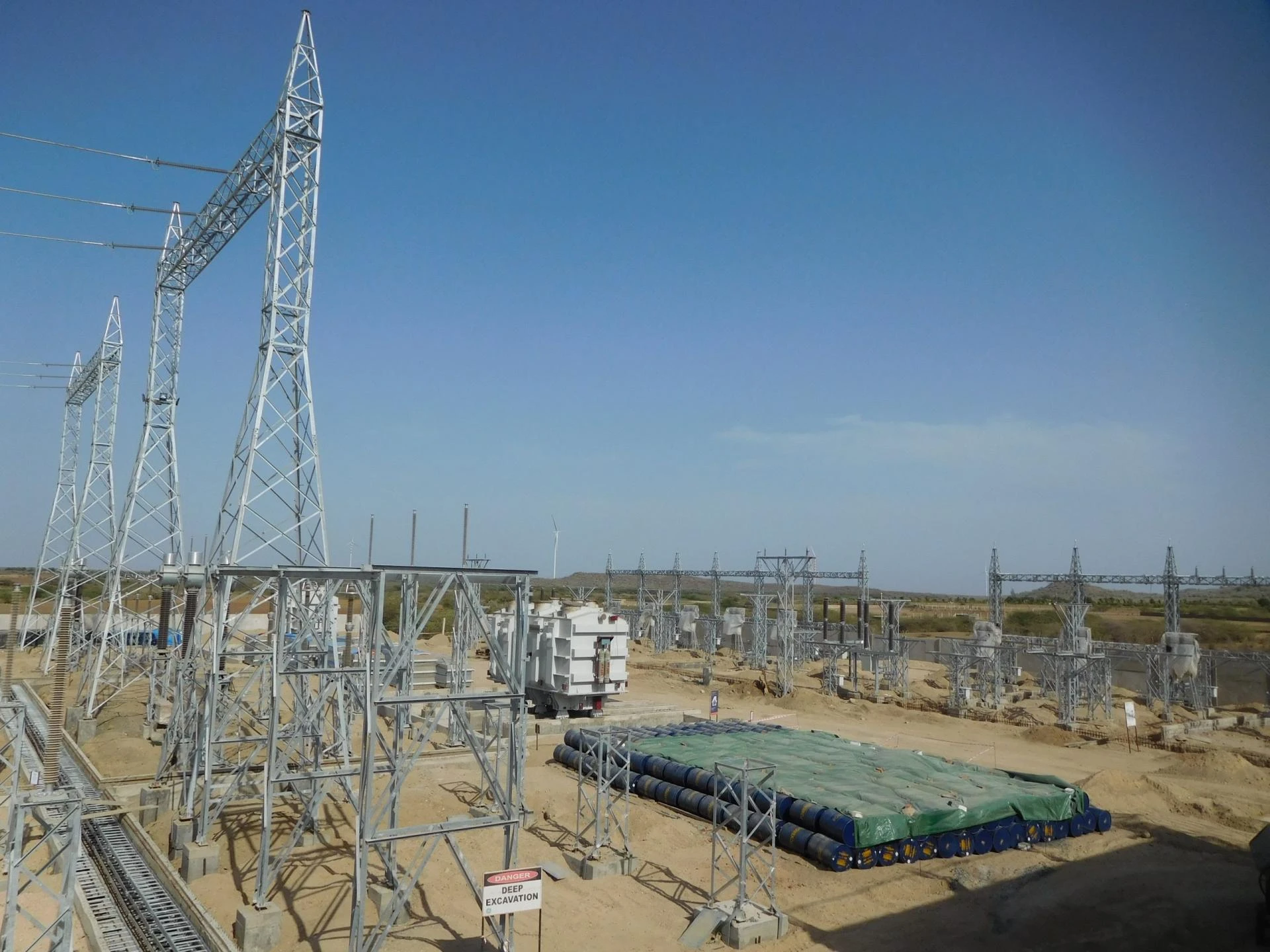
Step into a switchyard on a hot afternoon and you’ll notice the low hum of transformers and the sharp buzz around conductors. These places connect generation plants to transmission lines and protect the grid when faults occur. They also lose energy. Heat, corona discharge, and stray currents are common sources. Some loss is unavoidable, but not all.
For years, these inefficiencies were treated as routine. Regulators allowed a margin, utilities accepted it, and engineers worked around it. That attitude doesn’t fit today. With tighter efficiency standards and carbon targets, losses at switchyard can’t be written off as the cost of doing business.
Where does the energy go?
Losses come from familiar places. Transformers waste energy through core heating. Circuit breakers leak in idle states. Insulators bleed current when humidity is high. Corona discharge is another source. Sharp edges on conductors ionize the air, releasing energy as heat and light. It looks dramatic but it wastes power.
Old switchyards were built to last and to be safe. Efficiency was not the priority. Today both efficiency and sustainability matter. If a green engineering solution provider can reduce losses even slightly, the benefit is clear.
Green engineering solutions in practice
In a switchyard, “green” means design choices that reduce waste. It is not cosmetic.
High efficiency transformers are one example. Using amorphous steel cores instead of silicon steel cuts core losses significantly. The cost is higher, but the lifetime savings often justify it.
Insulator choice also matters. Polymer composite insulators can outperform ceramic ones. They are lighter, resist pollution better, and reduce leakage currents.
Switchyard layout is another area for improvement. Many older facilities were designed to fit land rather than minimize losses. Today, modeling tools can reconfigure layouts to cut stray currents and improve efficiency.
Small changes, big impact
Sometimes small steps are enough. Smoothing conductor points lowers corona discharge. Replacing old fittings or keeping conductor tension correct makes a difference. Maintenance, done with efficiency in mind, can reduce losses.
Digital monitoring also helps. Sensors that track heat, discharge, or leakage currents give operators the data to act before small issues turn into permanent inefficiencies.
The bigger picture
The savings may seem small at one site, but switchyards are everywhere. Each one that reduces losses adds to a meaningful total. For renewables especially, credibility depends on efficiency through the whole system. Delivering clean energy while ignoring losses in transmission weakens the case.
Some utilities in India are already working with green engineering solution providers. Others hesitate because of upfront costs. But once pilot projects show results, the case is easier to make.
A personal observation
The word “green” sometimes distracts from the engineering work. This is not about image. It is about physics and reliability.
Not every new solution works as promised. Some polymer insulators degrade faster than expected. Some smart sensors fail in heat and dust. This does not mean the idea is wrong. It means solutions must be tested, adapted, and chosen with care.
Looking ahead
The next decade will bring more hybrid switchyards. Materials, monitoring, and renewable integration will come together. A solar plant in Rajasthan with a switchyard built to conserve every watt is not far off. Neither is a hydro station in the northeast that uses digital twin models to adjust layouts for monsoon conditions.
Not every utility will adopt these ideas at once. Some will hold to older designs. Others will move faster with help from a green engineering solution provider who can balance cost with reliability.
The grid has always been a mix of old and new. What matters is the overall direction. Switchyards are no longer just junction points. They are part of the energy transition, and reducing their losses is essential.



























Sign in to leave a comment.