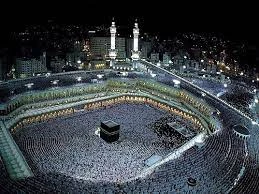

The Hajj, the annual Islamic pilgrimage to Mecca, is one of the most significant events in the lives of Muslims worldwide. It is a time of spiritual devotion, unity, and self-reflection. Unfortunately, misconceptions and misunderstandings about certain practices, such as the stoning ritual, persist in public discourse. In this article, we aim to shed light on the stoning ritual during Hajj and dispel the notion of associating it with violence or fanaticism.
Understanding the Stoning Ritual:
The stoning ritual, known as "Rami al-Jamarat," is an integral part of the Hajj pilgrimage and symbolizes the rejection of temptation and evil influences. Pilgrims participate in this ritual by throwing pebbles at three pillars called "Jamarat," which represent the locations where the Devil is believed to have appeared to the Prophet Abraham. The act of stoning these pillars signifies the defiance of Satan\'s temptations and the reaffirmation of one\'s commitment to righteousness.
The Essence of Peace and Unity:
Contrary to misconceptions, the stoning ritual is not an act of violence or an endorsement of any form of extremism. Instead, it is an expression of faith, personal struggle against temptation, and the pursuit of spiritual purification. The Hajj itself is a profound journey that unites millions of Muslims from diverse backgrounds, fostering a sense of community, harmony, and brotherhood. It is a testament to the universality of Islam, transcending geographical, cultural, and racial boundaries.
Safety Measures and Organizational Efforts:
In recent years, the authorities in Saudi Arabia, the host country of the Hajj pilgrimage, have taken significant steps to ensure the safety and well-being of pilgrims during the stoning ritual. Improved infrastructure, including wider pillars and enhanced crowd management systems, has been implemented to prevent accidents and ensure the smooth flow of pilgrims. Additionally, educational campaigns and guidelines emphasize the importance of maintaining a peaceful and respectful environment, deterring any form of misconduct.
Promoting Understanding and Countering Stereotypes:
To dispel misconceptions surrounding the stoning ritual, it is essential to foster interfaith and intercultural dialogue. Encouraging open discussions, educational initiatives, and cultural exchanges can contribute to a deeper understanding of Islamic traditions, including the Hajj pilgrimage. By challenging stereotypes and promoting accurate information, we can counter the dissemination of misinformation and build bridges of understanding between different communities.
The stoning ritual during the Hajj pilgrimage holds immense significance for Muslims worldwide, representing their commitment to spiritual purification and the rejection of evil influences. It is crucial to approach this ritual with an open mind and a willingness to learn, rather than succumbing to preconceived notions based on incomplete information. By promoting understanding, countering stereotypes, and engaging in respectful dialogue, we can foster greater harmony and appreciation for the diverse traditions and practices within Islam.
How to apply for Umrah online?



























Sign in to leave a comment.