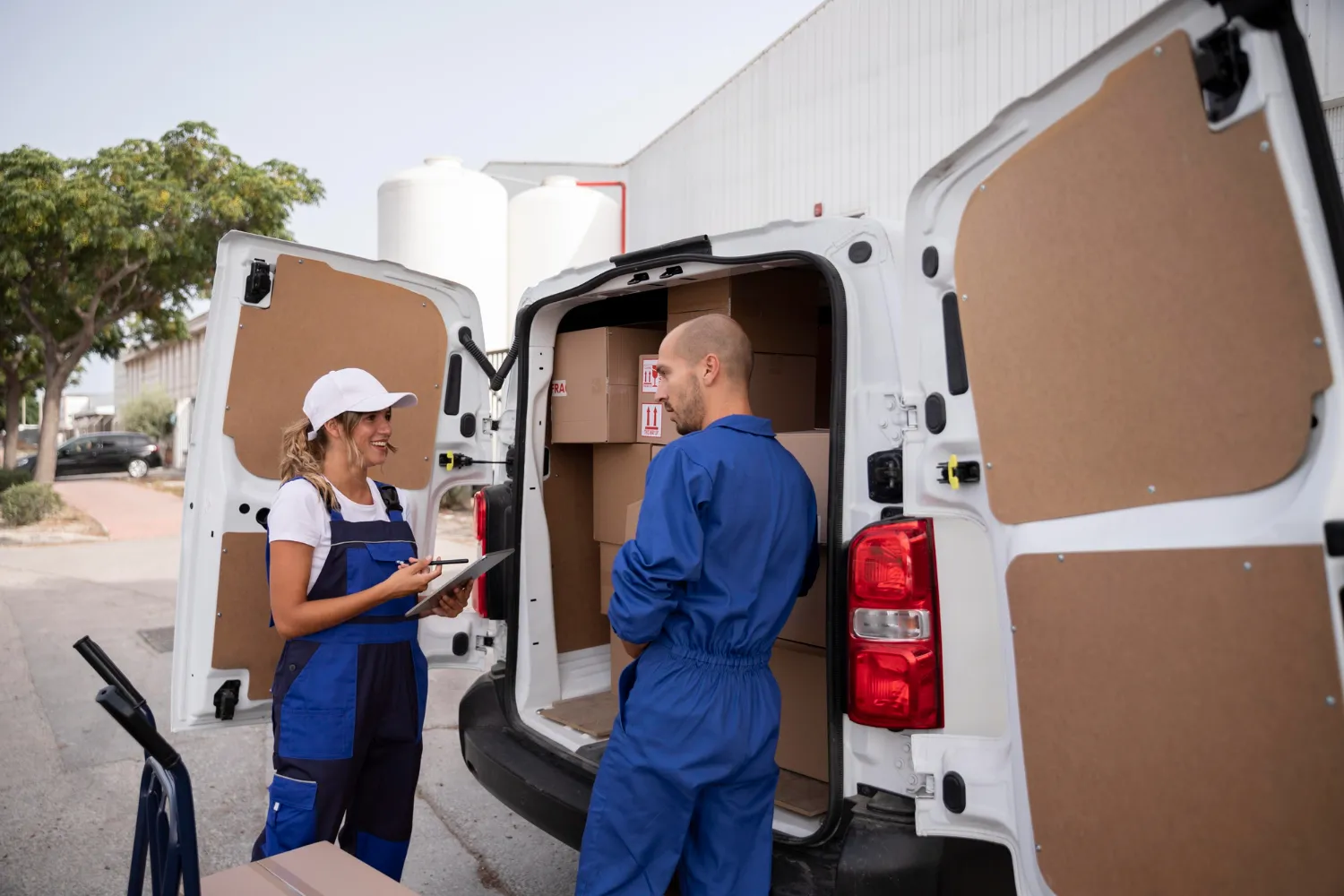

When temperature-sensitive goods need to travel from one location to another, keeping them fresh and safe throughout the journey is essential. From fresh produce and dairy products to cakes, pharmaceuticals and other chilled items, even a small change in temperature can affect quality. This is where refrigerated transport services play an important role.
Unlike standard delivery vehicles, refrigerated transport uses temperature-controlled environments to help maintain the required conditions during transportation. However, keeping goods fresh involves more than simply placing them inside a refrigerated vehicle. Proper packaging, temperature monitoring, loading procedures and delivery planning all contribute to a successful chilled shipment.
What Are Refrigerated Transport Services?
Refrigerated transport services are specialist delivery solutions designed to move goods that require controlled temperatures. These vehicles are equipped with refrigeration systems that help maintain a suitable temperature throughout transit.
The exact temperature required depends on the type of goods being transported. Fresh food may need chilled conditions, while frozen products require significantly lower temperatures. Some products may also have specific handling requirements.
For businesses, using temperature-controlled transportation can help reduce spoilage, maintain product quality and ensure goods reach their destination in suitable condition.
Why Are Refrigerated Transport Services Important for Fresh Goods?
Temperature is one of the most important factors affecting perishable products. Food such as meat, seafood, dairy, fresh fruit and prepared meals can deteriorate when exposed to unsuitable conditions for extended periods.
Using refrigerated transport services helps create a controlled environment during delivery. This can be particularly important when shipments travel across longer distances or when customers expect their goods to arrive fresh.
Temperature control can help businesses:
- Reduce the risk of spoilage
- Maintain freshness and product quality
- Protect temperature-sensitive goods
- Support food safety requirements
- Reduce unnecessary product waste
- Improve reliability for customers
For time-sensitive deliveries, maintaining the cold chain from collection to final delivery is particularly important.
How Do Refrigerated Transport Services Keep Goods Fresh?
There are several factors involved in maintaining product freshness during transportation. Refrigeration is only one part of the process.
1. Maintaining the Correct Temperature
Different products require different temperature ranges. A refrigerated vehicle should therefore be set according to the specific requirements of the goods being transported.
Maintaining a consistent temperature helps prevent products from becoming too warm or experiencing unnecessary temperature fluctuations. Proper temperature control is particularly important for perishable food and other sensitive products.
2. Using Suitable Packaging
Good packaging provides an additional layer of protection. Insulated boxes, thermal packaging, chilled containers and suitable wrapping can help products remain within their required temperature range.
Packaging should also protect goods from physical damage. For example, delicate food items should be secured properly so they do not shift during transit.
3. Pre-Cooling the Vehicle
A refrigerated vehicle should generally be prepared before the goods are loaded. Pre-cooling helps establish the appropriate internal temperature and reduces the risk of the cargo being exposed to unsuitable conditions during loading.
This is particularly useful when transporting goods that need to remain chilled from the moment they leave storage.
4. Avoiding Unnecessary Door Opening
Every time a refrigerated vehicle door is opened, outside air can enter and affect the internal temperature. Multiple stops and prolonged loading or unloading can therefore make temperature management more difficult.
Careful route planning and efficient handling can help minimise unnecessary door opening and maintain more consistent conditions.
5. Monitoring Temperature During Transit
Temperature monitoring provides useful information about the conditions inside the vehicle throughout the journey. If temperatures move outside the required range, action may be possible before the goods are significantly affected.
For businesses handling valuable or highly perishable products, monitoring can provide greater visibility over the cold chain.
When Should You Use Refrigerated Transport Services?
Refrigerated transport services can be useful whenever goods have specific temperature requirements. Common examples include:
- Fresh meat and seafood
- Dairy products
- Fresh fruit and vegetables
- Prepared meals
- Bakery products
- Cakes and desserts
- Flowers and other temperature-sensitive items
- Certain pharmaceutical products
For example, a bakery sending a delicate celebration cake across a city may need more than a standard courier. Temperature-controlled transportation can help protect the cake from excessive heat and unsuitable conditions during transit.
Businesses can also consider Fresh Cake Delivery when cakes need to be transported carefully and delivered within a specific timeframe.
How Does Same Day Chilled Delivery Help Perishable Goods?
For highly perishable products, reducing the time spent in transit can be just as important as maintaining the correct temperature. Same day Chilled delivery combines speed with temperature-controlled transportation, helping businesses move chilled goods within a shorter delivery window.
This can be useful for:
- Restaurants receiving fresh ingredients
- Food businesses fulfilling urgent orders
- Retailers sending chilled products to customers
- Caterers delivering prepared food
- Bakeries handling time-sensitive orders
A shorter delivery journey can help minimise exposure to changing conditions and make it easier to maintain product quality.
How Can Businesses Prepare Goods for Refrigerated Transport Services?
Preparing the shipment correctly before collection can make a significant difference. Businesses should first identify the required temperature and ensure products are already appropriately chilled before loading.
Goods should then be packed securely using suitable packaging. Items should not be packed so tightly that air cannot circulate where circulation is necessary, nor should they be left loose enough to move around during transportation.
Clear labelling can also help drivers and handling teams understand that the shipment requires special temperature conditions.
It is also worth considering the delivery route. A direct journey with fewer unnecessary stops can reduce transit time and make temperature management easier.
Can Refrigerated Transport Services Support Same Day Delivery in London?
Yes, temperature-sensitive goods may require rapid transportation, particularly in busy urban areas. Businesses arranging same day delivery in London may need a service capable of combining speed with appropriate handling requirements.
London deliveries can involve traffic, multiple collection points and restricted access areas, making planning particularly important. Choosing an appropriate delivery window and preparing the shipment before collection can help avoid unnecessary delays.
For urgent chilled shipments, coordinating collection, refrigeration and final delivery in advance can make the entire process more efficient.
What Should You Look for in Refrigerated Transport Services?
Before choosing refrigerated transport services, businesses should consider several practical factors:
Temperature control: Check whether the service can accommodate the temperature requirements of your products.
Vehicle suitability: Different goods may require different types of refrigerated vehicles or storage arrangements.
Delivery speed: Perishable products may require same-day or time-sensitive transportation.
Handling procedures: Find out how goods are loaded, transported and unloaded.
Route planning: Efficient routes can help reduce unnecessary transit time.
Communication: Clear communication about collection times and delivery requirements can prevent avoidable delays.
The right service should be selected according to the product, temperature requirements, journey length and delivery timeframe rather than simply the lowest delivery price.
Why Is Cold Chain Management Important?
Cold chain management refers to maintaining suitable temperature conditions throughout the journey, from storage and collection through transportation to final delivery. Breaking the cold chain can compromise product quality even if the goods are later returned to the correct temperature.
This is why refrigeration, packaging, loading, monitoring and delivery planning need to work together.
For businesses handling perishable goods regularly, having a consistent transportation process can help reduce waste and provide greater confidence that products will arrive as intended.
Conclusion: Choosing the Right Refrigerated Transport Services
Keeping temperature-sensitive goods fresh during transit requires more than a refrigerated vehicle. Refrigerated transport services work most effectively when appropriate temperatures, packaging, pre-cooling, careful loading, temperature monitoring and efficient routes are considered together.
For businesses transporting fresh food, cakes, dairy products or other chilled goods, selecting the right delivery method can help protect quality throughout the journey. When speed is also important, options such as Same day Chilled delivery can provide a practical solution for time-sensitive shipments.
By understanding the requirements of your products and planning transportation carefully, you can help maintain the cold chain and give your goods the best chance of arriving fresh, safe and ready for their destination.




























Sign in to leave a comment.