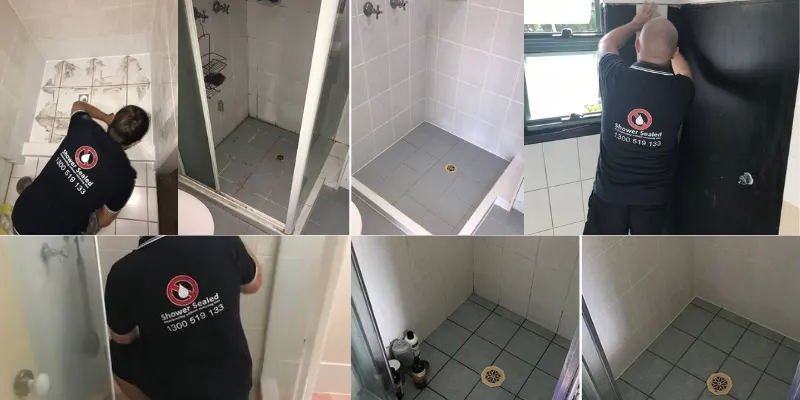

A failing shower never gets noticed in its minute form. It only becomes noticeable when something feels off, like a faint, musty smell or grout that remains damp forever. This is when you start thinking about shower repair services. Two services are more common for shower repair – shower regrouting and shower sealing. Let us understand both types and when a particular one is required.
REGROUTING VERSUS RESEALING – WHAT'S THE DIFFERENCE
Homeowners often confuse these two processes. The fact is that they are not interchangeable at all, and regrouting involves removing old & damaged grout and applying fresh grout between the tiles. In short, regrouting services deal with visible deterioration.
Shower resealing targets waterproofing and acts as a barrier to prevent water from getting behind the tiles, often without removing the tiles. A quick way to understand regrouting and resealing is –
- Regrouting fixes surface-level wear
- Resealing fixes water ingress issues
Most leaking showers in Australia need both at some point, and the mistake is assuming that new grout alone will solve leaks, but it doesn't.
EARLY SIGNS THAT YOU SHOULD NOT IGNORE AT ALL
Some problems arising in the shower area show up really quickly, while some others creep in quietly. Here are the details of some common problems that become easily visible in most homes.
CRACKED OR MISSING GROUT
- Tiles shift slightly over time.
- Once gaps appear, water finds a way in.
PERSISTENT MOULD IN JOINTS
If it returns within weeks of cleaning, moisture is trapped beneath the surface.
DAMP OR SWOLLEN SKIRTING BOARDS NEARBY
- That's rarely a coincidence.
- Loose tiles underfoot
Indicates adhesive breakdown—often caused by water exposure.
WATER STAINS OUTSIDE THE SHOWER AREA
A strong sign that waterproofing has failed.
These issues will never fix themselves, and if ignored, they will become more invasive and lead to expensive shower repair services.
WHEN IS REGROUTING ENOUGH?
Not every shower needs full resealing. If the waterproofing membrane is still intact, you can go with shower regrouting, which will extend the shower's life by years.
THIS TENDS TO APPLY WHEN:
- The grout is visibly worn, but the structure feels solid
- There's no sign of leaks beyond the shower area
The shower is relatively modern (under 10–12 years old)
In mostly Brisbane properties, especially apartments, this is the first stage of deterioration. Acting here keeps costs manageable.
WHERE RESEALING BECOMES NECESSARY?
Once water breaches the membrane, regrouting-related shower repair services will not work. In this case, shower resealing will be required, and in some other cases when –
- Water appears outside the shower zone
- Silicone joints fail repeatedly
- Mould keeps returning despite proper cleaning
- The shower base feels unstable or "spongy"
Older homes and properties built before the updated Australian waterproofing standards often face this situation.
DIY FIXING VS PROFESSIONAL REPAIR
A strong temptation is there in homeowners to repair things on their own. The presence of different tools and materials at hardware stores makes it look simpler. However, the reality is completely different. DIY regrouting works only for cosmetic issues; beyond that, it misses underlying problems completely. Here are some common DIY pitfalls.
- Sealing over damp surfaces
- Using the wrong grout type
- Ignoring hidden water damage
- Applying silicone as a "quick fix"
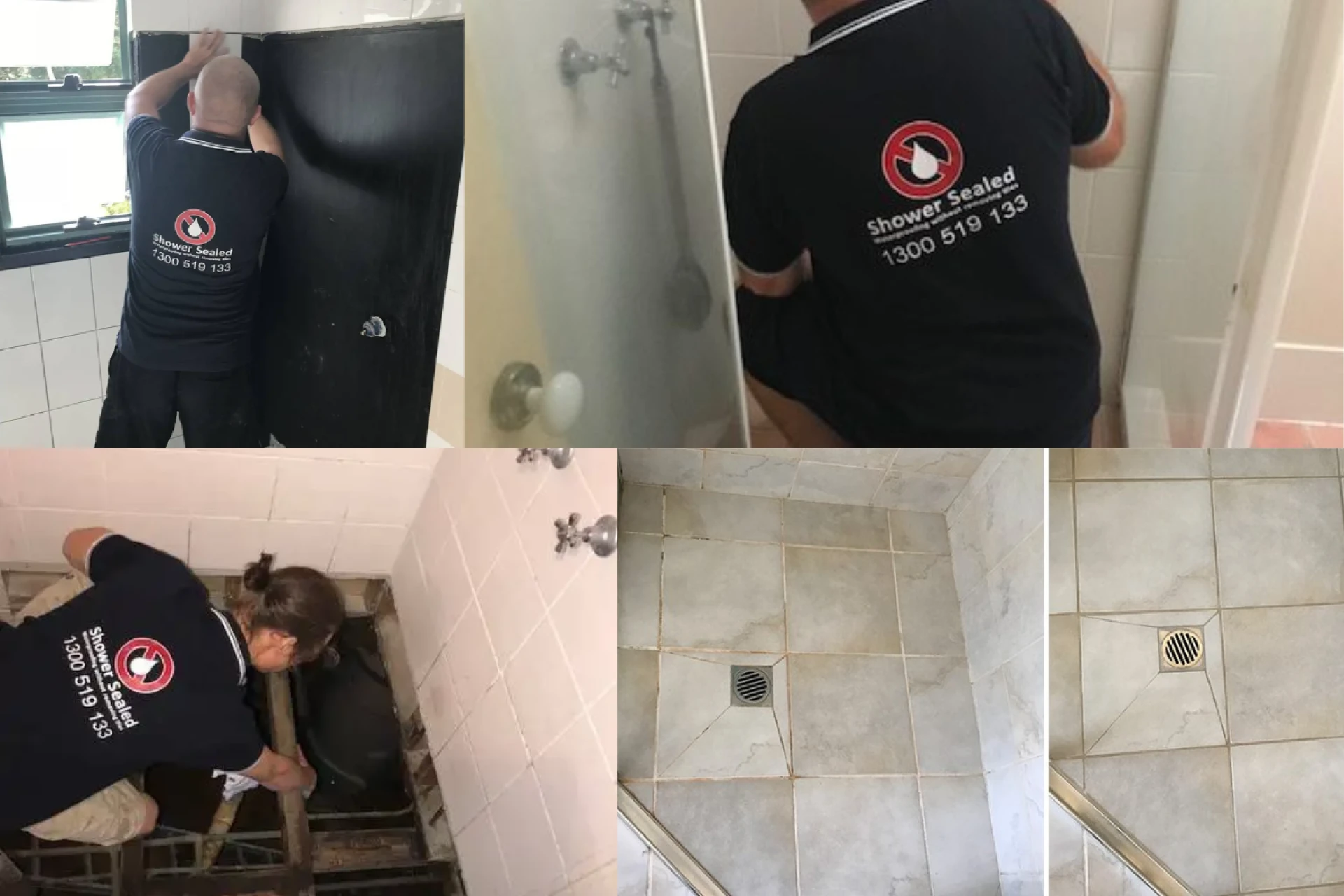
The professional approach of the shower repair experts is completely different, and the steps involve moisture testing, proper substrate preparation, and the use of the right sealing system.
COST CONSIDERATIONS IN AUSTRALIA
Cost varies in terms of shower regrouting and shower resealing services, but there is a pattern that makes it easily visible.
- BASIC REGROUTING: lower upfront cost
- FULL RESEALING: higher initial investment, longer lifespan
Labour and accessibility also affect the cost, and tighter bathroom layouts and older buildings will add more complexity and further increase the price.
WHAT IS THE RIGHT CALL?
If you are unsure, you must pay attention to where damage shows up. Surface issues point one way, and structural signs point another. It's always important to get an inspection done early for a clear assessment.
FAQs
HOW DO I KNOW IF MY SHOWER NEEDS RESEALING OR JUST REGROUTING?
- If water is escaping beyond the shower area or causing damage outside, resealing is usually required.
HOW LONG DOES SHOWER RESEALING LAST?
- If done properly, it can last 10–15 years depending on use and maintenance.
IS MOULD IN GROUT ALWAYS A SIGN OF A LEAK?
- Not always, but recurring mould often indicates trapped moisture beneath the surface.
CAN I REGROUT OVER OLD GROUT?
- Technically, yes, but it rarely lasts.
- Removing damaged grout first gives better results.
HOW QUICKLY SHOULD I ACT ON A LEAKING SHOWER?
- Immediately.
- Delays increase the risk of structural damage and higher repair costs.
FINAL THOUGHTS
Small signs often reveal the real story. Cracked grout, recurring mould, faint dampness — none of it stays quite minor for long. Whether it's regrouting or a full reseal, the right fix hinges on what's happening beneath the surface.
If something doesn't feel right, it likely isn't. Getting on top of it early usually saves a lot of hassle later.


























Sign in to leave a comment.