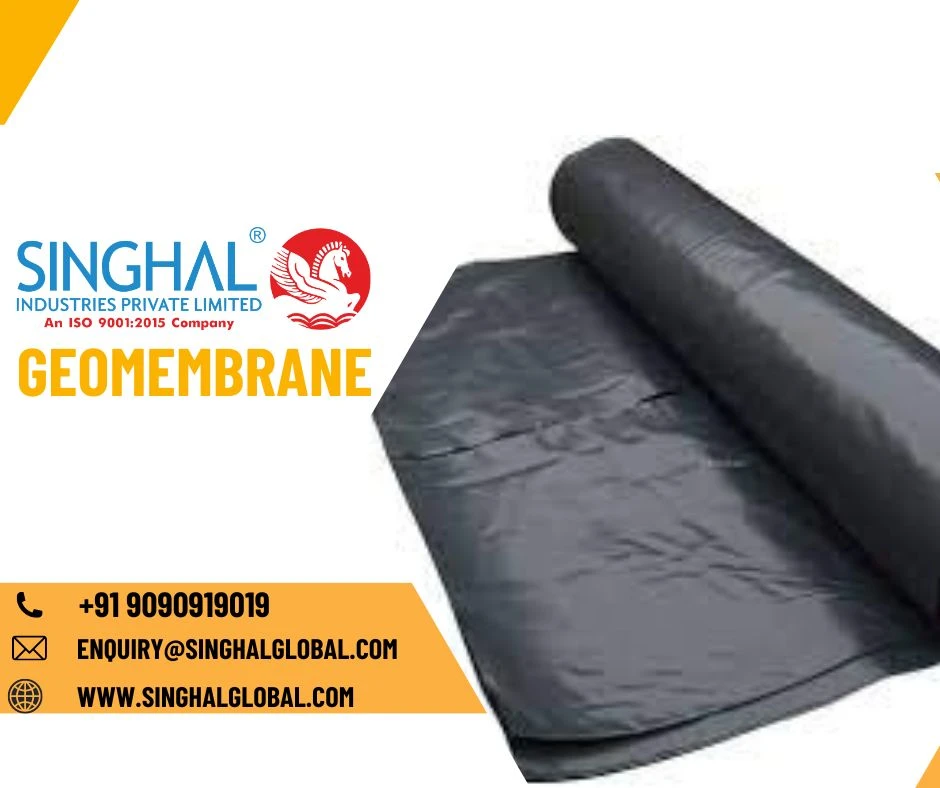

In the dynamic landscape of modern engineering, the utilization of cutting-edge materials plays a pivotal role in ensuring the success and sustainability of projects. One such material that has garnered significant attention is the reinforced polypropylene geomembrane. This article aims to delve into the myriad advantages offered by these geomembranes and their increasing significance in contemporary engineering practices.
Introduction
Reinforced Polypropylene Geomembranes stand as a testament to the constant evolution of materials in engineering. These geomembranes, composed of high-quality polypropylene with added reinforcement, have become integral in various construction projects due to their unique properties and benefits. Geomembranes, in general, serve as impermeable barriers, preventing the seepage of liquids and providing stability to the underlying structures.
Composition and Structure
Understanding the composition of reinforced polypropylene geomembranes is crucial to recognizing their advantages. Typically, these geomembranes consist of layers of polypropylene, reinforced with materials like polyester or fiberglass. This combination results in a robust structure that excels in resisting punctures, tears, and environmental stress.
Advantages in Environmental Protection
One of the primary advantages of reinforced polypropylene geomembranes lies in their role as environmental protectors. These geomembranes create a reliable barrier, preventing contaminants from seeping into the soil or water bodies. This property is particularly crucial in industries where hazardous materials are involved, ensuring a secure and eco-friendly environment.
Durability and Longevity
In the realm of geomembranes, durability is paramount. Reinforced polypropylene geomembranes outshine their counterparts in terms of longevity. Their resistance to degradation from UV rays, chemicals, and extreme temperatures makes them a preferred choice for long-term applications, adding a layer of reliability to engineering projects.
Cost-Efficiency in Engineering Projects
While durability is crucial, the economic aspect cannot be ignored. Reinforced polypropylene geomembranes strike a balance between durability and cost-efficiency. The initial investment is offset by the extended lifespan and reduced maintenance costs, making them a financially sound choice for engineering projects.
Application in Water Containment
The versatility of reinforced polypropylene geomembranes is evident in their successful application in water containment projects. Whether used in reservoirs, ponds, or waste containment facilities, these geomembranes provide a secure barrier, preventing leakage and ensuring the integrity of the contained liquids.
Versatility in Geotechnical Engineering
Geotechnical engineering often presents unique challenges, requiring materials that can adapt to diverse conditions. Reinforced polypropylene geomembranes showcase their versatility in various geotechnical applications, from slope stabilization to landfill liners, proving their effectiveness in diverse engineering scenarios.
HDPE Geomembrane Price in India
In the Indian market, the HDPE Geomembranes Price India is a significant consideration for engineering projects. Understanding the factors influencing these prices, such as raw materials, manufacturing processes, and market demand, provides valuable insights for project planners and managers.
Leading HDPE Geomembrane Manufacturers
Singhal Industries emerges as a prominent player in the HDPE Geomembrane Manufacturing sector. With a commitment to quality and innovation, Singhal Industries has contributed significantly to the advancements in geomembrane technology. Exploring such industry leaders ensures access to top-notch materials for engineering projects.
Comparative Analysis with Other Geomembranes
A thorough comparative analysis is essential to highlight the advantages of reinforced polypropylene over other geomembranes, including HDPE. Examining factors like puncture resistance, flexibility, and environmental impact aids engineers in making informed decisions, aligning project requirements with the most suitable geomembrane.
Case Studies
Real-world examples speak volumes about the effectiveness of reinforced polypropylene geomembranes. Highlighting successful projects where these geomembranes have been instrumental in ensuring stability and environmental protection provides concrete evidence of their advantages.
Future Trends and Innovations
The landscape of engineering materials is ever-evolving. Exploring the ongoing research and innovations in reinforced polypropylene geomembranes offers a glimpse into the future trends that may shape the industry. Anticipating these developments allows engineers to stay ahead and incorporate the latest technologies into their projects.
User Testimonials
The experiences of engineers and project managers who have utilized reinforced polypropylene geomembranes are invaluable. Their testimonials provide insights into real-world challenges and successes, offering a practical perspective on the advantages of these geomembranes in various engineering applications.
Challenges and Mitigations
No material is without challenges. Acknowledging potential issues and providing effective mitigations ensures that engineers can make informed decisions when considering reinforced polypropylene geomembranes for their projects. Addressing concerns related to installation, maintenance, and specific environmental conditions enhances the reliability of these geomembranes.
Conclusion
In conclusion, the advantages of reinforced polypropylene geomembranes in modern engineering are undeniable. From environmental protection to cost-efficiency, their versatile applications make them a go-to choice for engineers seeking reliable solutions. As we navigate the complexities of contemporary construction, embracing innovative materials like reinforced polypropylene geomembranes is key to ensuring the success and sustainability of engineering projects.
FAQs
Are reinforced polypropylene geomembranes suitable for all types of engineering projects?
Reinforced polypropylene geomembranes demonstrate versatility and can be applied in various engineering projects. However, it's essential to consider specific project requirements.
How do the costs of reinforced polypropylene geomembranes compare to other options?
While the initial costs may vary, the extended lifespan and reduced maintenance expenses make reinforced polypropylene geomembranes cost-efficient in the long run.
What makes Singhal Industries a leading manufacturer of HDPE geomembranes?
Singhal Industries prioritizes quality and innovation, contributing significantly to the advancements in geomembrane technology.
Can reinforced polypropylene geomembranes withstand extreme environmental conditions?
Yes, the durability and resistance of reinforced polypropylene geomembranes make them capable of withstanding various environmental challenges.
How can engineers stay updated on the latest trends in geomembrane technology?
Keeping an eye on ongoing research, industry publications, and attending conferences are effective ways for engineers to stay informed about the latest trends in geomembrane technology.










Sign in to leave a comment.