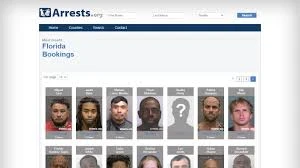

In Florida, like in many other states, the public has the right to access arrest records and charges that involve individuals arrested for crimes. This transparency is ensured by the state’s public records law, which makes arrest and charge information available to anyone who wishes to review it. This article will guide you through how to access reliable data on Florida arrests and charges, explain the importance of these records, and provide insight into how to effectively use public databases to obtain arrest records.
Understanding Florida Arrest Records
Arrest records in Florida contain essential details regarding individuals who have been apprehended by law enforcement agencies. These records serve as an official documentation of an individual’s involvement in criminal activity and provide key details about the incident, such as the charges filed, personal information, and booking data.
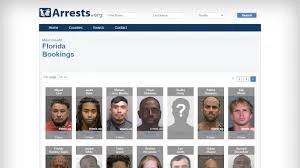
Arrest records may include the name of the person arrested, their address, the time of the arrest, the law enforcement agency involved, charges, and more. This information is important because it allows the public to stay informed about crime activity within their communities, which can impact their personal safety.
These records are typically accessible to the public, under Florida’s Public records laws, except in cases where specific restrictions apply. The data available is primarily used for background checks, legal purposes, or public safety awareness.
Why Are Arrest Records Important in Florida?
Arrest records are significant for a number of reasons. They play a vital role in maintaining transparency and accountability within the justice system, while also providing valuable information to the public. Here are some of the primary reasons arrest records are important:
1. Public Safety
Arrest records allow citizens to stay informed about criminal activity in their area. By accessing these records, individuals can be aware of recent arrests and incidents involving serious criminal charges, helping them take preventive measures for their safety.
2. Background Checks
Employers, landlords, and organizations often perform background checks to ensure that potential employees, tenants, or volunteers do not have a criminal history. Arrest records are an essential part of this process, as they provide detailed information about an individual’s prior arrests, charges, and legal history.
3. Legal Proceedings
Arrest records are frequently used by legal professionals during court cases to help build a defense or prosecution strategy. They serve as an essential tool for understanding an individual’s criminal history, including any repeat offenses or patterns of criminal behavior.
4. Protecting the Community
When used appropriately, arrest records can help protect communities by identifying individuals with a history of criminal behavior. This knowledge can allow communities to take precautionary steps to reduce the likelihood of further criminal activity.
How to Access Florida Arrest Records
The good news is that accessing Florida arrest records is a relatively straightforward process. There are several methods available, and many resources can provide access to this information quickly and efficiently.
1. County Sheriff’s Offices
Most Florida counties have a sheriff’s office that maintains arrest records for that specific jurisdiction. These offices are a great place to start when looking for detailed arrest information. Many sheriff’s offices have online databases where you can search for recent arrests and related charges.
If the information you seek is not available online, you may need to visit the sheriff’s office in person or request records via mail. Sheriff’s office websites typically provide contact details for records requests, and some may charge a small fee for processing requests.
2. Statewide Databases
For individuals who need to access arrest records across multiple counties in Florida, the Florida Department of Law Enforcement (FDLE) offers a statewide criminal history database. This database allows you to search for arrest records across the state, covering all counties. While it provides an excellent resource for statewide searches, it’s important to note that there may be a fee for accessing these records.
3. Online Arrest Databases
The internet has made it easier than ever to access arrest records through online platforms. Websites like Public records aggregate arrest data from various counties throughout Florida. These platforms enable users to search for arrest records by entering specific criteria such as names, dates, or counties.
These websites typically provide up-to-date information on arrests and charges, and many offer easy-to-use search tools that allow users to narrow down their results. They can be incredibly helpful for those who need to find arrest records across multiple Florida counties in one place.
4. Public Records Requests
If you can’t find the arrest information you need online, you have the option to file a formal public records request. Florida’s public records law guarantees citizens the right to access most records, including arrest records. This means that you can request arrest details directly from the law enforcement agency involved in the arrest.
To file a public records request, you’ll need to contact the relevant law enforcement agency, provide details about the person or arrest you’re seeking information on, and submit the request in writing. Some agencies may charge a fee for providing copies of the records.
What Information Can Be Found in Arrest Records?
Arrest records contain several important pieces of information that help identify individuals and document the details of their arrest. Here’s what you can typically expect to find in an arrest record:
- Personal Information: The name, age, gender, and other identifying details of the individual arrested.
- Arrest Details: Information regarding the arrest itself, such as the date, time, location, and the law enforcement agency involved.
- Charges: The specific criminal charges filed against the individual at the time of the arrest. These can range from misdemeanors to felonies.
- Booking Details: Arrest records often include information about the booking process, including a mugshot, booking number, and whether the individual was released on bond or remained in custody.
- Court Information: Some arrest records include information about the individual’s court dates, sentencing, or other legal proceedings related to the arrest.
Using Arrest Records Responsibly
While Florida’s arrest records are public information, it’s essential to use them responsibly. Misusing or misinterpreting arrest data can lead to legal or ethical issues, so it’s important to handle this information carefully. Here are a few tips for using arrest records responsibly:
- Accuracy and Updates: Ensure that the records you are using are current and up-to-date. Arrests can sometimes result in charges being dropped or dismissed, so always verify the information before drawing conclusions.
- Respect Privacy: Although arrest records are public, be mindful of individuals’ privacy. Avoid using arrest data to shame or harass individuals, especially if they have been cleared of charges.
- Purpose of Use: Use arrest records for legitimate purposes, such as background checks, legal proceedings, or community safety awareness. Avoid using them for malicious or inappropriate purposes.







Sign in to leave a comment.