
The way film, television, advertising, and digital content are created has evolved significantly over the last decade. Creative teams are no longer limited by geography, studio availability, or physical access to production facilities. Modern technology has enabled editors, colorists, sound designers, producers, and directors to work together from virtually anywhere in the world. At the center of this transformation is remote post production, a workflow that allows projects to move efficiently from raw footage to final delivery without requiring every team member to be in the same location.
As content demands continue to grow across streaming platforms, social media channels, television networks, and corporate communications, production teams are embracing flexible workflows that improve efficiency while maintaining professional standards. Remote collaboration has become an essential part of modern content creation, helping creative professionals deliver high-quality results regardless of physical distance.
What Is Remote Post Production?
Remote post production refers to the process of completing post-production tasks through cloud-based systems, secure file-sharing platforms, remote workstations, and collaborative digital tools. Rather than working exclusively within a single facility, creative professionals can access project assets, review edits, exchange feedback, and finalize deliverables from multiple locations.
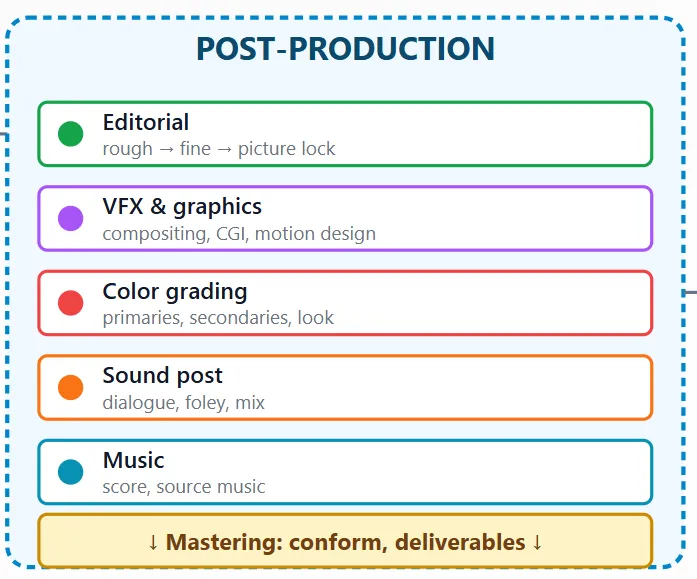
This workflow covers the full range of post-production activities, including:
- Video editing
- Color grading
- Sound design
- Audio mixing
- Motion graphics
- Visual effects
- Quality control
- Final mastering and delivery
With the right infrastructure in place, remote teams can maintain the same creative standards and technical precision traditionally associated with centralized post-production facilities.
Why Production Teams Are Moving to Remote Workflows
The growing popularity of remote post production is driven by several practical and creative advantages. Production companies, agencies, brands, and independent filmmakers are increasingly recognizing the benefits of distributed collaboration.
One of the primary advantages is flexibility. Team members can contribute to projects from different cities, countries, or time zones without disrupting schedules. This creates opportunities to work with specialized talent regardless of geographic location.
Another important factor is speed. When workflows are properly organized, remote teams can continue working around the clock, accelerating project timelines and reducing bottlenecks.
Cost efficiency is also a significant consideration. Organizations can reduce travel expenses, facility costs, and logistical challenges while maintaining access to experienced post-production professionals.
Additionally, modern clients often expect faster revisions and more frequent project updates. Remote workflows make it easier to conduct review sessions, collect feedback, and implement changes quickly.
Essential Components of a Remote Post Production Pipeline
A successful remote post production pipeline requires more than internet connectivity. It depends on carefully structured systems that support collaboration, security, and workflow consistency.
The foundation begins with centralized media management. All project assets must be organized in a way that allows authorized team members to access files efficiently while maintaining version control.
Key pipeline components typically include:
Secure Cloud Storage
Cloud-based storage systems provide centralized access to media files, project assets, graphics, audio elements, and final exports.
Collaboration Platforms
Communication tools allow producers, editors, and clients to exchange feedback, schedule reviews, and track project progress.
Remote Workstations
High-performance remote workstations enable editors and artists to access powerful computing resources without requiring local hardware capable of handling demanding media files.
Project Management Systems
Task tracking and workflow management platforms help ensure deadlines are met and responsibilities remain clearly defined throughout the production process.
When these components work together effectively, teams can maintain productivity while minimizing delays.
Managing Footage Transfers and Media Security
One of the most critical aspects of remote post production is the secure transfer and storage of media assets. Production footage often represents a significant investment of time, talent, and resources, making data protection a top priority.
Large video files must be transferred efficiently without compromising quality. Modern file transfer solutions allow production teams to upload and distribute footage while preserving original formats and metadata.
Security measures typically include:
- Encrypted file transfers
- User authentication controls
- Access permissions
- Secure cloud storage
- Automated backups
- Activity monitoring
Maintaining strong security protocols helps protect intellectual property while ensuring that only authorized personnel can access project materials.
Proper file organization also plays an important role. Structured folder hierarchies, naming conventions, and asset management practices help teams avoid confusion as projects become more complex.
Remote Editing Collaboration Between Teams
Editing is often the central hub of the post-production process, connecting footage, audio, graphics, and storytelling decisions into a cohesive narrative.
In a remote post production environment, editors and creative stakeholders collaborate through shared project files, cloud-based review platforms, and live feedback sessions. Directors and producers can review edits, leave timecoded comments, and request revisions without needing to visit a physical editing suite.
This collaborative approach offers several advantages:
- Faster review cycles
- Improved communication
- Reduced travel requirements
- Greater scheduling flexibility
- Access to specialized editing talent
Editors can continue refining content while stakeholders review progress remotely, creating a more efficient workflow that supports timely project completion.
For agencies and brand clients, this visibility provides greater confidence throughout the editing process and helps ensure creative objectives are achieved.
Color Grading and Audio Post in Distributed Environments
Color grading and audio finishing are essential stages that significantly influence the audience's experience. These specialized disciplines require technical expertise and creative judgment to enhance storytelling and production value.
Through remote post production, colorists can access project files remotely while conducting grading sessions with directors and producers participating virtually. Secure streaming technology allows stakeholders to review grading decisions and provide feedback in real time.
Similarly, audio professionals can perform:
- Dialogue editing
- Noise reduction
- Sound design
- Audio mixing
- Music integration
- Mastering
Remote review sessions allow clients and creative teams to evaluate audio performance and request refinements before final approval.
Consistency remains critical throughout these processes. Professional calibration standards, reference monitoring systems, and quality assurance procedures help ensure that visual and audio deliverables meet industry expectations regardless of where team members are located.
Quality Control and Final Delivery Standards
No project is complete without comprehensive quality control. Even the most efficient remote post production workflow must include rigorous review procedures before final delivery.
Quality control helps identify technical issues that could affect viewer experience or platform compliance. Teams typically evaluate:
- Video quality
- Audio consistency
- Color accuracy
- Caption accuracy
- Graphic placement
- File specifications
- Delivery requirements
Final deliverables may be prepared for multiple destinations, including broadcast television, streaming services, social media platforms, corporate presentations, and digital advertising campaigns.
A structured quality assurance process ensures that every version meets technical standards while maintaining creative integrity.
As content distribution continues to diversify, professional quality control remains essential for successful delivery across platforms.
How PostProduction Studio Supports Remote Post Production Projects
PostProduction Studio provides comprehensive solutions designed to support modern remote post production workflows from project intake through final delivery.
By combining professional editing, color grading, sound design, visual effects, motion graphics, audio mixing, and mastering services, the studio helps clients streamline complex post-production requirements while maintaining high creative and technical standards.
The team works closely with filmmakers, agencies, brands, and content creators to establish efficient workflows that support collaboration across multiple locations. Secure media management, organized review processes, and reliable communication channels help ensure projects remain on schedule and aligned with creative goals.
Whether producing content for film, television, advertising, digital campaigns, or online platforms, PostProduction Studio enables creative teams to collaborate effectively while maintaining the quality expected of professional post-production services.
Conclusion
Modern content creation increasingly depends on flexibility, efficiency, and seamless collaboration. Remote post production has become a valuable solution for production teams seeking to work across locations without sacrificing creative quality or technical precision. By enabling secure media management, collaborative editing, remote color grading, professional audio finishing, and streamlined delivery workflows, remote post-production processes help projects move forward faster and more efficiently. For filmmakers, brands, agencies, and content creators, remote collaboration offers a practical path to producing polished, professional content while meeting the demands of today's fast-moving media landscape.




























Sign in to leave a comment.