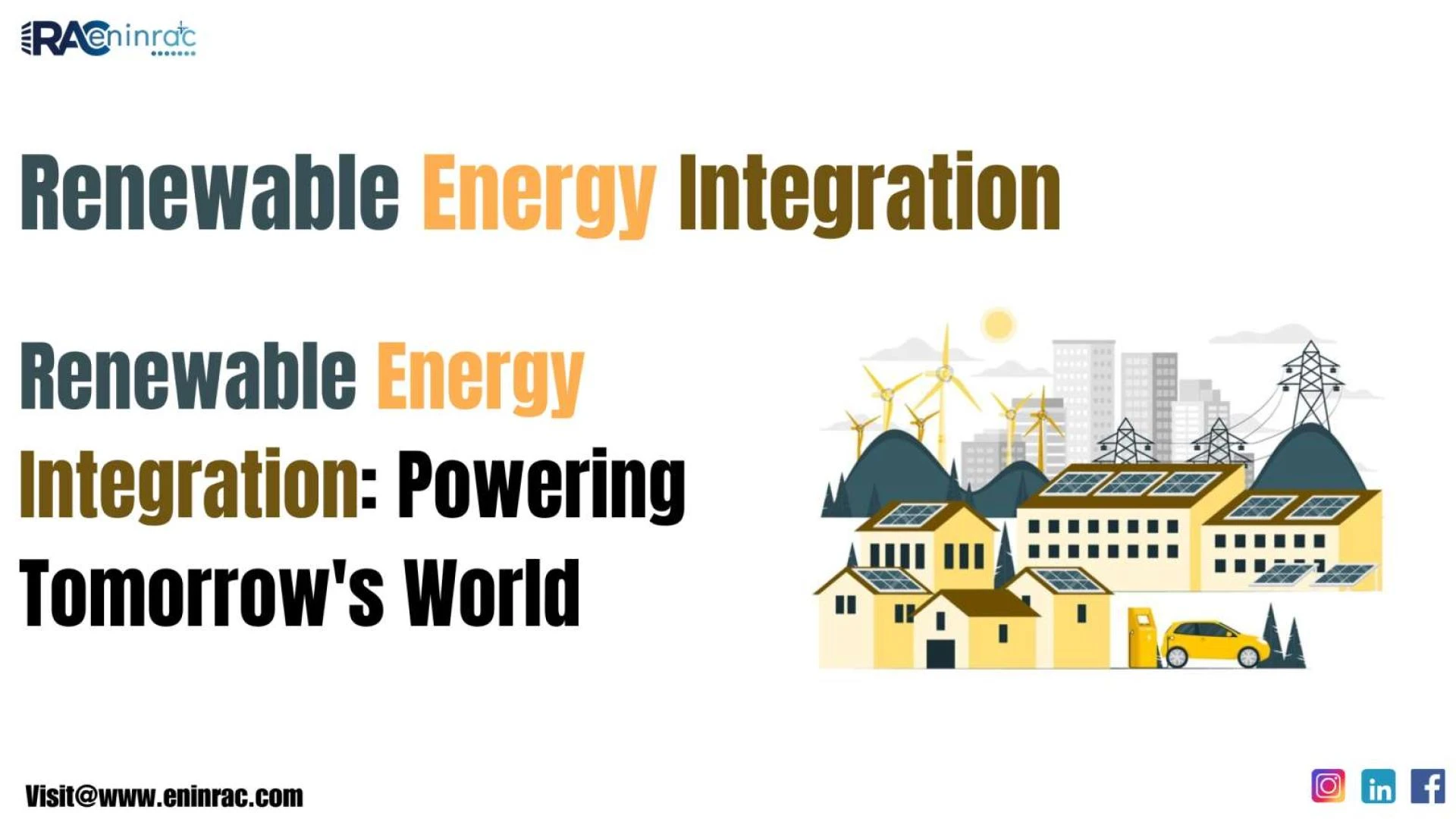

In the ever-evolving landscape of energy production, the integration of renewable energy sources has emerged as a crucial endeavor. As we navigate the challenges of climate change and the quest for sustainable solutions, renewable energy integration stands as a beacon of hope. This blog delves into the significance, challenges, and promising developments in the realm of renewable energy integration.
Understanding Renewable Energy Integration
Renewable energy integration refers to the process of incorporating renewable energy sources such as solar, wind, hydroelectric, and geothermal power into existing energy systems. Unlike conventional fossil fuels, renewable energy sources offer abundant, clean, and sustainable alternatives. However, integrating these sources into the grid poses unique technical, economic, and regulatory challenges.
The Significance of Renewable Energy Integration
The integration of renewable energy is pivotal in achieving a transition to a low-carbon economy. By reducing dependency on fossil fuels, we can mitigate greenhouse gas emissions and combat climate change. Moreover, renewable energy integration fosters energy independence, enhances energy security, and stimulates economic growth through job creation and technological innovation.
Challenges in Renewable Energy Integration
Despite its numerous benefits, renewable energy integration presents several challenges. One of the primary obstacles is intermittency. Unlike traditional power plants, renewable sources are dependent on weather conditions and may not always generate electricity when needed. This intermittency can strain grid stability and reliability.
Furthermore, the variability of renewable energy generation requires advanced grid management and storage solutions to ensure a continuous and stable power supply. Additionally, the existing infrastructure may lack the flexibility and capacity to accommodate large-scale renewable energy integration, necessitating substantial investments and upgrades.
Promising Developments in Renewable Energy Integration
Despite these challenges, significant progress has been made in renewable energy integration. Technological advancements in energy storage, smart grid technologies, and demand-side management are enhancing grid flexibility and resilience. Battery storage systems, for instance, enable the storage of excess renewable energy for use during periods of low generation, thus mitigating intermittency issues.
Moreover, the rise of digitalization and data analytics is revolutionizing grid operations, allowing for real-time monitoring, optimization, and predictive maintenance. Artificial intelligence and machine learning algorithms are optimizing energy dispatch and facilitating efficient energy trading in decentralized energy markets.
Policy support and regulatory frameworks are also crucial drivers of renewable energy integration. Governments worldwide are implementing incentives, mandates, and carbon pricing mechanisms to promote renewable energy deployment and incentivize investment in clean energy infrastructure.
The Future of Renewable Energy Integration
Looking ahead, renewable energy integration holds immense promise for shaping the future of energy. Advancements in renewable energy technologies, coupled with innovative grid solutions, are paving the way for a more sustainable and resilient energy system. As the costs of renewable energy continue to decline and energy storage technologies become more efficient, renewable energy integration will become increasingly feasible and cost-effective.
Collaboration between stakeholders across the public and private sectors is essential to overcoming the remaining barriers to renewable energy integration. By fostering partnerships, sharing best practices, and investing in research and development, we can accelerate the transition to a renewable energy future.
In conclusion, renewable energy integration is a transformative process that is reshaping the global energy landscape. By harnessing the power of renewable resources and integrating them into our energy systems, we can build a more sustainable, resilient, and prosperous future for generations to come.












Sign in to leave a comment.