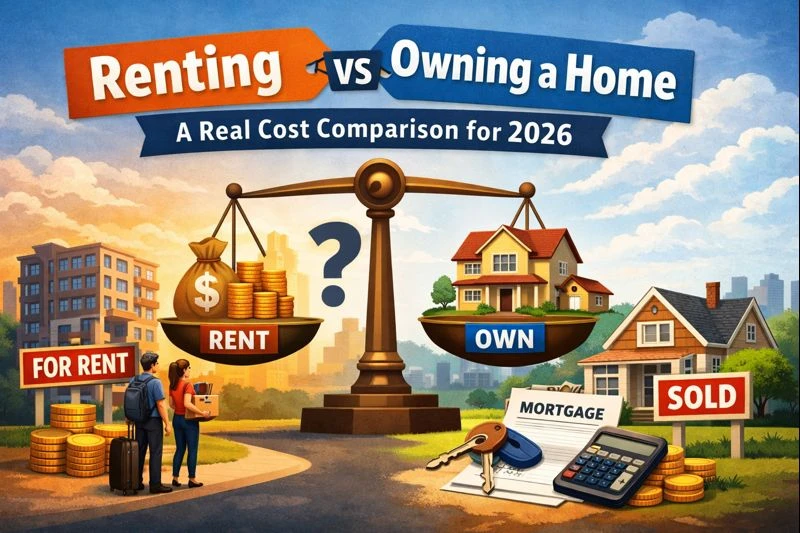

Deciding whether to rent or own a home in 2026 is a big financial decision for many Canadians. With rising living costs, changing interest rates, and shifting real estate trends, it’s important to understand the true costs behind both options. While renting may seem cheaper upfront, owning a home can offer long-term financial benefits. This guide breaks down the real costs of renting versus owning a home in simple, practical terms to help you make the right choice.
The Cost of Renting in 2026
Renting a home often feels like the easier option, especially for first-time movers or people who value flexibility. In 2026, rental prices in many Canadian cities, including Surrey, continue to rise due to high demand and limited supply. Monthly rent is the main cost, but renters also need to consider utilities, renter’s insurance, parking fees, and possible rent increases each year.
One major downside of renting is that the money you pay each month does not build ownership or long-term value. Rent payments go directly to the landlord, and once paid, that money is gone. Over time, rising rent can make it harder to save for future goals like buying a home or investing elsewhere.
However, renting does have advantages. There are no property taxes, maintenance costs, or major repair expenses. If something breaks, the landlord usually handles it. Renting also allows flexibility for people who may move frequently for work or lifestyle reasons.
The Cost of Owning a Home in 2026
Owning a home comes with higher upfront costs, but it can offer long-term financial stability. Homebuyers need to budget for a down payment, closing costs, mortgage payments, property taxes, insurance, and maintenance. In 2026, mortgage rates are more stable than previous years, making homeownership more predictable for many buyers.
Unlike renting, owning a home allows you to build equity over time. Each mortgage payment increases your ownership share of the property. Over the years, property values may rise, turning your home into a valuable asset. Homeowners also have more freedom to renovate, rent out rooms, or customize their space.
While maintenance costs can be unpredictable, many homeowners see them as an investment rather than an expense. Repairs and upgrades can increase property value and improve long-term returns.
Understanding Home Value and Assessments
When owning a home, it’s important to understand how property value is measured. One useful tool homeowners rely on is bc property assessment, which helps determine the assessed value of a property for tax purposes. This assessment impacts how much property tax you pay each year and gives insight into market trends.
Knowing your assessed value helps homeowners plan budgets, estimate resale value, and make informed financial decisions. Renters do not benefit from property appreciation or assessment insights because they do not own the asset.
Long-Term Financial Comparison
From a long-term financial view, owning a home often costs less than renting over 15 to 25 years. While renting may be cheaper month-to-month at first, rising rent prices can exceed mortgage payments over time. Homeowners eventually pay off their mortgage, while renters continue paying rent indefinitely.
Tax benefits, equity growth, and potential rental income also favor ownership. However, renting can still be the better option for those who prioritize flexibility, have short-term plans, or are not ready for long-term financial commitments.
Surrey Market: A Smart Ownership Option
Surrey remains one of the most attractive real estate markets in British Columbia. For buyers who want affordability and growth potential, a townhouse for sale in surrey can be a smart alternative to detached homes. Townhouses usually have lower purchase prices, shared maintenance costs, and strong resale demand.
Many families and first-time buyers prefer townhouses because they offer ownership benefits without the high costs of single-family homes. Compared to long-term renting, purchasing a townhouse can provide stability, predictable payments, and equity growth.
Which Option Is Right for You?
Choosing between renting and owning in 2026 depends on your financial goals, lifestyle, and long-term plans. Renting works well for people who need flexibility or are not financially ready to buy. Owning is ideal for those seeking stability, long-term savings, and asset growth.
Before making a decision, review your budget, future plans, and market conditions. Speaking with a real estate professional can also help you understand local trends and opportunities.
Final Thoughts
Renting and owning both have pros and cons, but understanding the real costs makes the decision clearer. In 2026, owning a home continues to offer long-term value for those who can manage the upfront costs. Renting may provide short-term ease, but ownership builds financial security over time. Choose the path that aligns best with your future goals and financial comfort.

























Sign in to leave a comment.