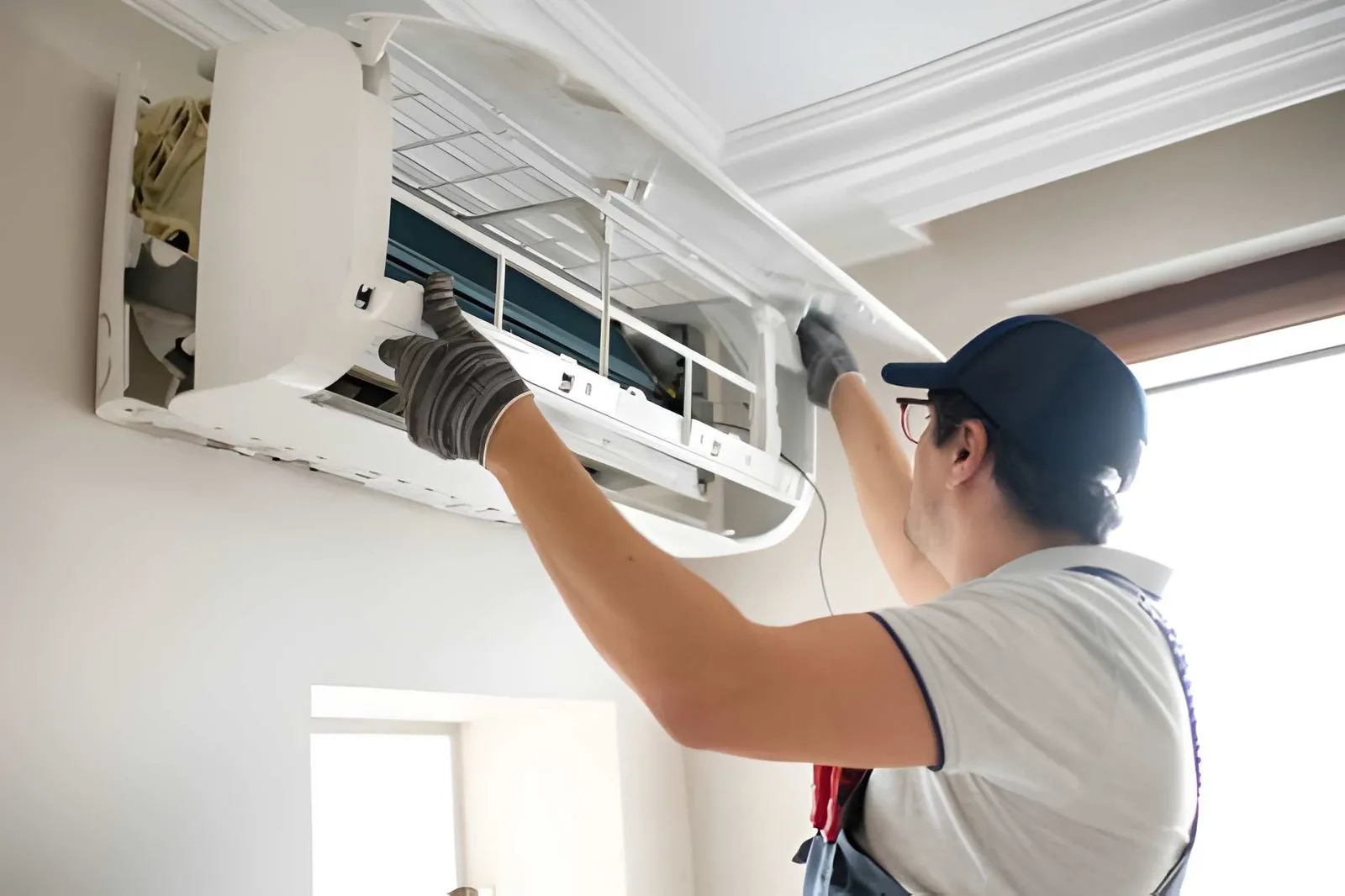

When your ducted heating system starts playing up in the middle of a cold Melbourne winter, the first question that usually comes to mind is simple—but important: should I repair it, or is it time to replace it altogether?
It’s a decision many homeowners struggle with, especially when faced with rising energy bills, uneven heating, or unexpected breakdowns. Ducted systems are a major investment, so choosing between repair and replacement isn’t just about fixing a problem—it’s about long-term comfort, efficiency, and cost.
In many cases, professional advice from specialists in ducting heating repair and replacement can help you make the right call based on your system’s condition, age, and performance.
This guide breaks down everything you need to know so you can make an informed decision without unnecessary stress or expense.
Understanding How Ducted Heating Systems Work
Before deciding whether to repair or replace, it helps to understand the basics.
A typical ducted heating system includes:
- A central heating unit (gas or electric)
- Ductwork running through ceilings or floors
- Vents and outlets in different rooms
- A thermostat for temperature control
The system works by heating air in the central unit and distributing it through ducts to warm your entire home evenly.
Because it’s a whole-home system, even small issues can impact overall comfort.
Common Problems with Ducted Heating Systems
Over time, ducted heating systems can develop a range of issues. Some are minor and repairable, while others signal deeper system failure.
1. Uneven Heating
Some rooms are warm while others stay cold. This can be caused by:
- Blocked or leaking ducts
- Fan or motor issues
- Poor system balancing
2. Weak Airflow
If air feels weak from vents, it could be due to:
- Dirty filters
- Duct obstructions
- Failing blower motor
3. Strange Noises
Banging, rattling, or humming sounds often indicate:
- Loose ductwork
- Worn mechanical components
- Motor strain
4. Higher Energy Bills
A sudden spike in energy usage often means your system is working harder than it should.
5. Frequent Breakdowns
If you’re calling technicians repeatedly, the system may be nearing the end of its lifespan.
At this point, homeowners often consult experts in ducting heating repair and replacement to assess whether ongoing repairs are still worth it.
When Repairing Your Ducted Heating System Makes Sense
Repair is usually the best option when the system is still relatively young and the issue is minor.
System is under 10–12 years old
Most ducted systems last around 10–15 years with proper maintenance.
Issue is isolated
Examples include:
- Faulty thermostat
- Broken fan motor
- Minor duct leak
- Sensor issues
Repairs are affordable
If the repair cost is significantly lower than replacement, fixing it makes sense.
System is otherwise efficient
If heating performance is still strong and energy bills are stable, repair is often the better choice.
In these cases, ducting heating repair and replacement specialists usually recommend targeted repairs instead of full system replacement.
When Replacement Is the Better Option
Sometimes repairing an old system is like putting a band-aid on a bigger issue. Replacement becomes the smarter long-term decision when:
1. The System Is Over 15 Years Old
Older systems naturally lose efficiency and reliability.
Common issues include:
- Frequent breakdowns
- Outdated technology
- Higher running costs
At this stage, replacement is often more cost-effective.
2. Repair Costs Keep Adding Up
A good rule of thumb:
If repair costs exceed 30–40% of replacement cost, consider upgrading.
Repeated repairs can quickly become more expensive than installing a new system.
3. Poor Energy Efficiency
Older ducted systems consume more energy to produce the same level of heating.
A modern system can significantly reduce energy bills while improving comfort.
4. Uneven or Inconsistent Heating
If your home never heats evenly despite repairs, the system may be fundamentally outdated or poorly designed.
5. Ductwork Is Damaged or Leaking
Sometimes the issue isn’t just the unit—it’s the ducting itself.
Leaking ducts can cause:
- Heat loss
- Poor airflow
- Increased energy use
Extensive duct damage often makes replacement more practical than repair.
Repair vs Replacement: Cost Comparison
Understanding costs helps make a clearer decision.
Repair Costs (Typical Range)
- Minor repairs: $150 – $500
- Major component replacement: $500 – $1,500
- Duct repairs: varies depending on damage
Replacement Costs (Typical Range)
- Full ducted heating system: $3,000 – $10,000+
While replacement is a higher upfront cost, it often delivers:
- Lower energy bills
- Better performance
- Fewer breakdowns
- Long-term savings
This is why professional advice in ducting heating repair and replacement is so important before making a decision.
Benefits of Repairing Your Ducted Heating System
Choosing repair can be beneficial when done at the right time.
✔ Lower upfront cost
✔ Faster solution
✔ Extends system life
✔ Minimal disruption to home
If your system is still in good condition, repair is often the most practical choice.
Benefits of Replacing Your Ducted Heating System
Replacement offers long-term advantages:
✔ Improved energy efficiency
Modern systems use less energy to heat your home.
✔ Better temperature control
New systems offer zoning and smart thermostats.
✔ Reduced maintenance costs
Fewer breakdowns and repairs.
✔ Improved air quality
New filters and duct systems improve indoor air.
✔ Increased home value
Energy-efficient heating is attractive to buyers.
How Professionals Help You Decide
When you contact specialists in ducting heating repair and replacement, they don’t just fix problems—they assess your entire system.
A professional evaluation typically includes:
1. System inspection
Checking internal components, ducts, and airflow.
2. Efficiency testing
Measuring how well your system heats your home.
3. Cost analysis
Comparing repair costs vs replacement value.
4. Future performance forecast
Estimating how long the system will last after repair.
This helps you make a practical, informed decision instead of guessing.
Signs You Should Act Immediately
Regardless of repair or replacement, you should seek professional help if:
- Heating suddenly stops working
- Burning smells are present
- Carbon monoxide alarms activate
- System frequently shuts down
- Energy bills spike unexpectedly
These issues require urgent attention from qualified technicians.
How to Extend the Life of Your Ducted Heating System
Whether you repair or replace, maintenance is key.
Here’s how to extend system lifespan:
- Replace filters regularly
- Schedule annual servicing
- Clean ducts when needed
- Check for leaks early
- Avoid overworking the system
Regular servicing reduces the need for emergency ducting heating repair and replacement decisions.
Final Thoughts
Deciding between repairing or replacing a ducted heating system isn’t always straightforward. It depends on age, efficiency, repair history, and overall performance.
In general:
- Repair is best for newer systems with minor issues
- Replacement is better for older, inefficient, or frequently failing systems
Getting professional advice is the smartest step. Experts in ducting heating repair and replacement can assess your system properly and guide you toward the most cost-effective and comfortable solution.
In the end, the right choice isn’t just about fixing your heater—it’s about ensuring your home stays warm, efficient, and reliable for years to come.























Sign in to leave a comment.