
The Real Estate (Regulation and Development) Act, 2016 (RERA) has transformed India's real estate sector by bringing greater transparency, accountability, and buyer confidence. One of the most important requirements under the Act is RERA Project Registration, which is mandatory for eligible real estate projects before they can be marketed or sold.
For developers, registering a project under RERA is not just a legal obligation—it is also a way to build trust with homebuyers and demonstrate compliance with regulatory standards. Understanding the registration process can help developers avoid penalties and ensure smooth project execution.

What Is RERA Project Registration?
RERA Project Registration is the process through which real estate developers register their residential or commercial projects with the respective State Real Estate Regulatory Authority before advertising, booking, or selling any units.
The registration ensures that all project details, approvals, timelines, and financial information are disclosed to buyers, promoting transparency throughout the project lifecycle.
Who Needs to Register Under RERA?
Generally, RERA registration is mandatory for:
- Residential and commercial real estate projects exceeding the prescribed land area or number of units under state regulations.
- Ongoing projects that had not received a completion certificate before RERA came into effect, subject to applicable state rules.
- Developers planning to market, advertise, or sell units in eligible projects.
Since implementation rules may vary from state to state, developers should always verify the specific requirements applicable in their jurisdiction.
Benefits of RERA Project Registration
1. Increased Buyer Confidence
A RERA-registered project assures buyers that the development complies with legal requirements and that project information is publicly available.
2. Improved Transparency
Developers are required to disclose important information such as project plans, approvals, construction schedules, and financial details, reducing uncertainty for buyers.
3. Better Market Credibility
Registered projects often enjoy greater credibility in the market, making it easier to attract investors and potential homebuyers.
4. Legal Compliance
Timely registration helps developers avoid penalties, legal disputes, and restrictions on marketing their projects.
5. Faster Dispute Resolution
RERA provides a dedicated regulatory framework for resolving disputes between developers and buyers efficiently.
Documents Required for RERA Project Registration
Although documentation requirements may differ across states, developers are generally required to submit:
- PAN card and identity details of the promoter
- Company registration documents
- Project layout plans
- Land ownership documents
- Encumbrance certificate
- Approved building plans
- Development permissions and approvals
- Project specifications
- Estimated project completion timeline
- Details of contractors, architects, and engineers
- Financial information as required by the authority
Ensuring that all documents are complete and accurate helps prevent delays during the registration process.
Step-by-Step RERA Registration Process
Step 1: Prepare Project Documents
Collect all approvals, legal documents, financial details, and technical drawings required by the respective State RERA Authority.
Step 2: Create an Online Account
Most State RERA Authorities provide an online portal where developers can register and submit applications electronically.
Step 3: Complete the Application
Fill in all project details accurately, including land information, project timeline, apartment details, and promoter information.
Step 4: Upload Supporting Documents
Upload scanned copies of all required documents in the prescribed format.
Step 5: Pay the Registration Fee
Registration fees vary depending on the state, project type, and project size.
Step 6: Verification by the Authority
The RERA Authority reviews the submitted information and may request additional clarification or documents if necessary.
Step 7: Receive the Registration Certificate
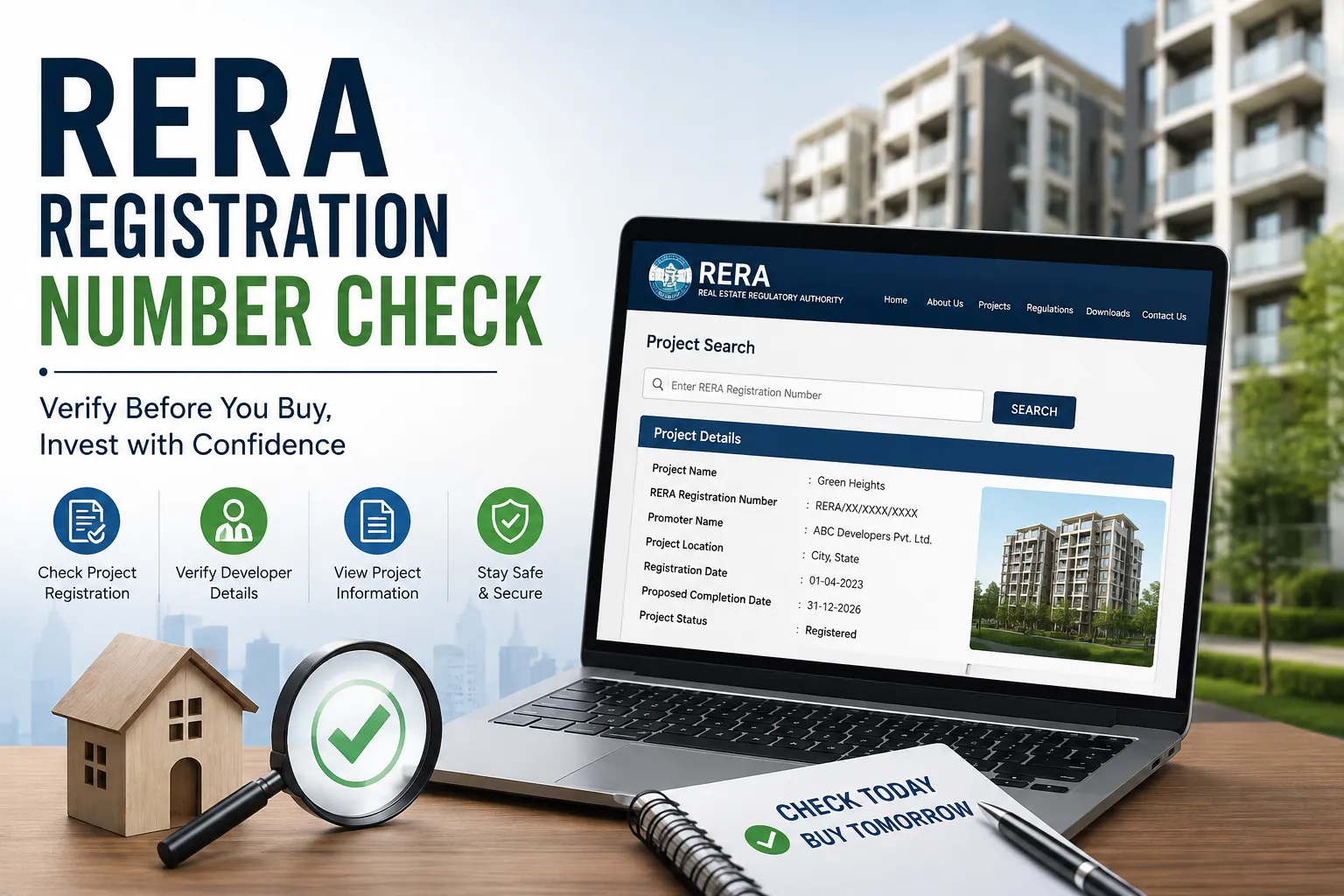
Upon successful verification, the project receives a unique RERA Registration Number that must be displayed in all advertisements, brochures, and promotional materials.
Compliance After Registration
Registration is only the beginning. Developers must continue to comply with RERA requirements throughout the project's duration.
This includes:
- Providing regular construction progress updates.
- Updating project information on the RERA portal.
- Maintaining financial compliance where applicable.
- Delivering the project within the committed timeline.
- Informing buyers about any significant project changes.
Failure to comply may result in penalties or other regulatory actions.
Common Mistakes to Avoid
Many developers face delays because of avoidable errors, including:
- Submitting incomplete documentation.
- Providing incorrect project information.
- Missing mandatory approvals before applying.
- Failing to update project progress after registration.
- Ignoring state-specific compliance requirements.
Careful preparation and professional guidance can help prevent these issues.
Why Professional Assistance Matters
The RERA registration process involves legal, technical, and regulatory requirements that can vary across states. Working with experienced professionals ensures accurate documentation, timely submission, and compliance with evolving regulations.
Professional consultants can also assist with project registration, extension applications, documentation review, compliance management, and regulatory communication, reducing administrative burden for developers.
Conclusion
RERA Project Registration is a critical step for developers seeking to launch legally compliant and trustworthy real estate projects in India. Beyond fulfilling statutory requirements, registration enhances transparency, strengthens buyer confidence, and contributes to a more organized real estate market.
Whether you are launching a new residential development or a commercial project, ensuring timely RERA registration can help protect your business, improve credibility, and support long-term project success.
For expert guidance on RERA Project Registration, documentation, regulatory compliance, and legal support, RERA Vision helps developers navigate the registration process efficiently while ensuring compliance with applicable RERA regulations.






















Sign in to leave a comment.