
Residential Fence Installation: What Every Homeowner Should Know Before Building a Fence
When it comes to enhancing the curb appeal, privacy, and security of your home, few upgrades are as impactful as a professionally installed fence. Residential fence installation is more than just placing panels or posts in the ground—it’s about creating a durable, attractive boundary that aligns with your lifestyle, home architecture, and neighborhood guidelines.
Whether you’re planning to install a fence for the first time or replacing an old one, understanding the basics can save you time, money, and hassle. In this post, we’ll cover the key aspects every homeowner should know before starting a residential fence installation project.
1. Define the Purpose of Your Fence
Before choosing materials or calling an installer, identify why you need a fence:
- Privacy: Tall wooden or vinyl panels are excellent for blocking visibility.
- Security: Metal fences or reinforced wood provide stronger barriers.
- Pet or Child Containment: Chain link or picket fences can safely define play areas.
- Curb Appeal: Decorative fencing styles add character to your landscape.
Knowing your primary goal helps guide every decision from design to budget.
2. Understand Local Regulations
Many municipalities have fence height limits, zoning restrictions, and setback rules. Some HOAs also regulate the color, material, or even design of residential fences.
Before starting your residential fence installation, check with your local building department and HOA to avoid fines or forced removals.
3. Choose the Right Material
Your choice of fencing material impacts durability, cost, and aesthetics:
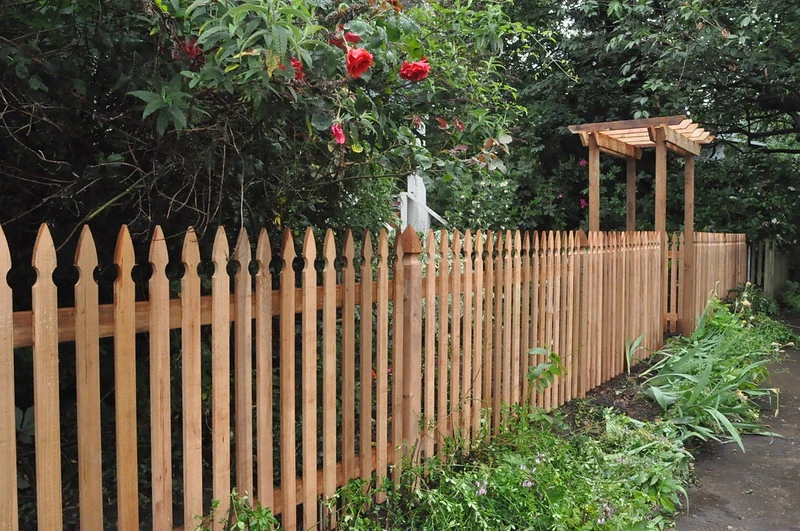
- Wood: Offers a classic, warm look but requires regular maintenance.
- Vinyl: Low maintenance and weather-resistant, with various design options.
- Metal (Aluminum or Wrought Iron): Strong, stylish, and ideal for security.
- Chain Link: Budget-friendly and functional, commonly used for pet enclosures.
- Composite: Combines wood and plastic for a durable, eco-friendly option.
The right material depends on your climate, goals, and desired upkeep level.
4. Plan Your Fence Layout Carefully
Before installation, take time to:
- Mark property lines accurately (consider hiring a surveyor if unsure).
- Locate utility lines to avoid damaging underground cables or pipes.
- Determine gate placement for easy access and convenience.
- Measure correctly to avoid material waste or budget overruns.
A well-thought-out plan prevents installation issues and ensures your fence functions as intended.
5. Hire a Professional Installer
While some homeowners take the DIY route, professional residential fence installation offers:
- Accurate, level installation
- Durability and proper anchoring
- Compliance with local codes
- Warranties or guarantees
Experienced fence installers can also help you choose the best material, style, and layout for your property and budget.
6. Don’t Forget Maintenance
After installation, regular upkeep ensures your fence stays attractive and sturdy:
- Wood fences need sealing or staining every 2–3 years.
- Vinyl and metal fences may only need occasional cleaning.
- Inspect annually for damage, rot, rust, or loose hardware.
With the right care, a quality residential fence can last 15–30 years or more.
Conclusion: Invest in Quality Residential Fence Installation
A fence isn’t just a boundary—it’s a statement of your home’s personality, privacy, and protection. Whether you're upgrading for aesthetics or installing for function, residential fence installation is a long-term investment in your home’s value and comfort. By planning carefully, choosing the right materials, and working with professionals, you’ll ensure your fence not only looks great but stands strong for years to come.


























Sign in to leave a comment.