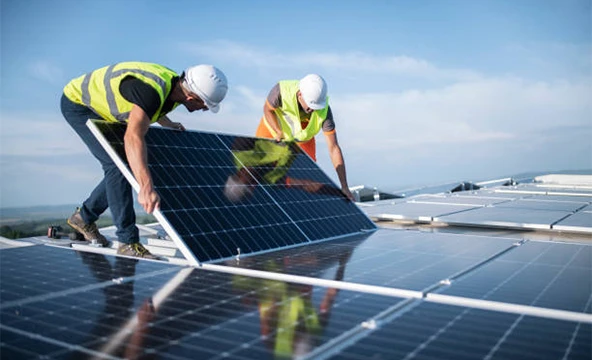

This step-by-step guide explains how a home solar system is installed in India, from site inspection to final commissioning.
Step 1: Site Survey and Roof Assessment
The installation process begins with a detailed site visit. During this stage, the installer evaluates roof size, structure, orientation, shading, and existing electrical setup. This assessment helps determine the right system size and layout for maximum energy generation.
Homeowners opting for home solar installation from experienced providers like Truzon Solar benefit from accurate load analysis and system planning that ensures long-term performance.
Step 2: System Design and Capacity Finalisation
Based on the site survey, a customised system design is created. This includes selecting panel type, inverter capacity, mounting structure, and wiring layout. The system size is finalised according to monthly electricity consumption and roof availability.
A professionally designed residential solar rooftop system ensures optimal output while complying with DISCOM and safety guidelines.
Step 3: Net Metering Application and Approvals
For grid-connected systems, net metering approval from the local electricity DISCOM is mandatory. The installer submits the required documents, including system details and technical specifications.
Most homeowners installing rooftop solar systems rely on their installer to manage approvals and coordination with authorities, ensuring the process remains hassle-free.
Step 4: Solar Panel and Inverter Installation
Once approvals are received, the physical installation begins. Solar panels are mounted securely on the roof using aluminium structures designed to withstand wind and weather conditions. The inverter and electrical components are then installed and connected to the home’s power system.
A properly executed solar rooftop installation ensures safety, durability, and efficient energy generation over the system’s lifespan.
Step 5: Electrical Integration and Safety Checks
After installation, electrical connections are tested thoroughly. This includes earthing, surge protection, and inverter configuration. Safety checks are conducted to ensure compliance with electrical standards and grid requirements.
Reliable installers like Truzon Solar follow strict quality checks to ensure system stability and long-term reliability.
Step 6: Inspection, Commissioning, and Activation
The final step involves inspection by the DISCOM authority. Once approved, the net meter is installed, and the solar system is activated. From this point, the system starts generating electricity and exporting excess power to the grid.
Homeowners can begin tracking generation and savings immediately after commissioning.
How Long Does Residential Solar Installation Take?
- Site survey & design: 1–2 days
- Approvals & net metering: 2–4 weeks (DISCOM dependent)
- Installation & commissioning: 2–3 days
Overall, the complete residential solar rooftop installation process typically takes 3 to 5 weeks.
Frequently Asked Questions (FAQs)
1. Does rooftop solar installation damage the roof?
No. When installed correctly using proper mounting structures, rooftop solar does not damage the roof or cause leakage.
2. Can solar panels be installed on any type of roof?
Solar panels can be installed on concrete, metal, and sheet roofs, provided there is sufficient strength and shade-free space.
3. Do I need to be at home during installation?
Homeowners are usually required only during the site survey and final commissioning stages.
4. Can I expand my solar system later?
Yes, most systems can be expanded later, subject to inverter capacity and roof space.
5. What maintenance is required after installation?
Minimal maintenance is required—mainly panel cleaning once or twice a month.
Conclusion: Going Solar Is a Simple, Structured Process
The residential rooftop solar installation process is well-defined and straightforward when handled by an experienced installer. From site assessment and approvals to installation and commissioning, each step plays a vital role in ensuring long-term savings and system reliability.
Choosing a trusted provider like Truzon Solar ensures correct system design, regulatory compliance, and seamless execution from start to finish.
📞 Schedule Your Free Site Visit
Planning to install rooftop solar for your home?
Schedule a Free Site Visit Today or Call Us at +91-9030032222 to get expert guidance and a customised solar solution.



















Sign in to leave a comment.