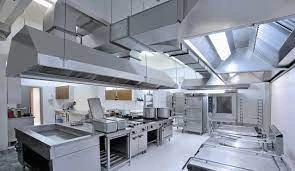

Choosing the right exhaust system for a restaurant is crucial for maintaining a comfortable and safe environment, as well as complying with local regulations. An effective exhaust system removes cooking odors, heat, smoke, and grease particles from the kitchen, ensuring clean air quality and preventing potential fire hazards. This article provides a comprehensive guide to help restaurant owners and operators understand the key factors to consider when selecting a restaurant exhaust system. From understanding local codes and regulations to evaluating system components and design, making an informed decision will contribute to the overall success of the restaurant operation.
Understanding Local Codes and Regulations Before selecting an exhaust system, it is vital to familiarize yourself with the local codes and regulations that govern restaurant ventilation. Each jurisdiction may have specific requirements regarding exhaust system capacity, ductwork design, hood types, and fire suppression systems. Compliance with these regulations is essential to avoid fines, penalties, and potential closure of the establishment. Engage with local authorities or a qualified HVAC professional to ensure that your exhaust system selection aligns with all necessary codes and standards.
Assessing Kitchen Size and Volume The size and volume of the restaurant hood systems kitchen play a crucial role in determining the appropriate exhaust system. Consider the kitchen's square footage, the number of cooking appliances, and the volume of food being prepared. A larger kitchen with high cooking volumes will require a more robust and powerful exhaust system to effectively remove heat, smoke, and odors. On the other hand, smaller kitchens may require a compact, yet efficient, system that fits within space constraints while maintaining optimal air quality.
Hood Types and Design Selecting the right hood type and design is essential for capturing and removing contaminants effectively. The two common types are canopy hoods and proximity hoods. Canopy hoods are typically used for heavy-duty cooking equipment, such as grills and fryers, while proximity hoods are suitable for low-profile appliances like steamers and ovens. Evaluate the cooking equipment in your kitchen and choose hoods that match the specific needs of each appliance. Additionally, consider factors such as hood size, airflow capture efficiency, and ease of cleaning and maintenance.
Ventilation System Components The components of a restaurant exhaust system work together to ensure efficient operation. Here are key components to consider:
Exhaust Fans: Select fans that can handle the anticipated airflow volume and pressure requirements. Energy-efficient fans can help reduce operating costs.Ductwork: Properly sized and installed ductwork is crucial for airflow and exhaust efficiency. Evaluate the material, insulation, and routing of the ducts to minimize pressure losses and grease buildup.Make-up Air System: To maintain a balanced airflow, a make-up air system replaces the air removed by the exhaust system. This system helps prevent negative pressure, which can impact the efficiency of the exhaust system and compromise indoor air quality.Filters: Grease filters capture and remove grease particles from the exhaust air. Evaluate filter types, such as baffle or mesh filters, based on their efficiency, ease of cleaning, and compliance with local regulations.Fire Suppression System: Install an automatic fire suppression system to provide additional protection against potential kitchen fires. These systems activate when a fire is detected, automatically shutting off fuel and releasing fire suppressant agents.Noise Control Restaurant patrons expect a comfortable dining experience, which includes minimizing noise levels. Exhaust system noise can be a concern, especially in open kitchen designs. Look for exhaust system components, such as fans and silencers, designed to reduce noise levels without compromising airflow efficiency. Discuss noise control options with the manufacturer or a qualified HVAC professional to find the best balance between performance and noise reduction









Sign in to leave a comment.