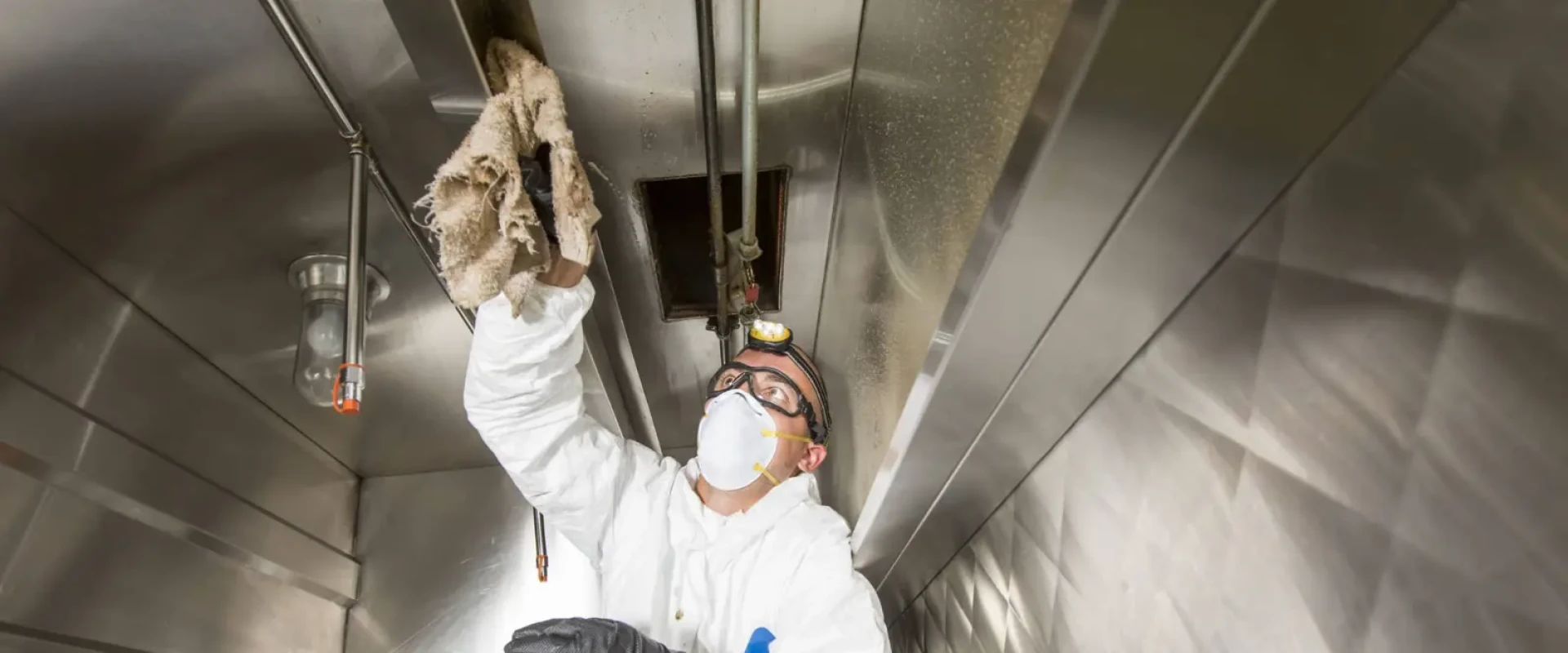

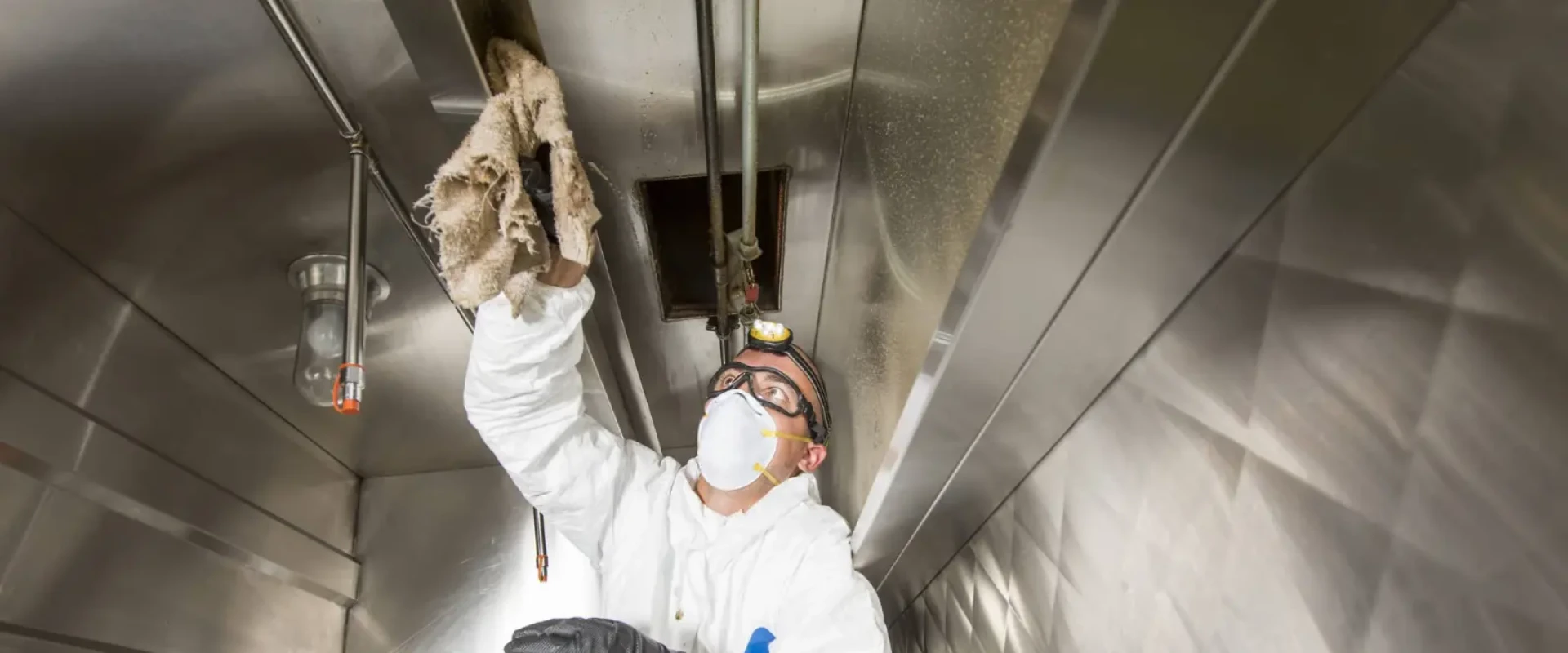
Keeping your restaurant kitchen clean is crucial for both safety and efficiency, and one of the most important areas to focus on is the kitchen hood. A clean hood helps prevent grease buildup, minimizes fire risks, and ensures your kitchen operates smoothly. To help you stay on top of hood maintenance, we've created a step-by-step guide to ensure your kitchen hood is cleaned thoroughly and effectively.
Why is Restaurant Hood Cleaning Important?
Before diving into the checklist, it’s important to understand why hood cleaning matters:
- Fire Prevention: Grease buildup in the hood and exhaust system is a fire hazard. Regular cleaning helps reduce the risk of kitchen fires.
- Health & Safety: A greasy hood can contribute to poor air quality in the kitchen, affecting the health of your staff.
- Compliance: The National Fire Protection Association (NFPA) 96 standard requires hood systems to be cleaned regularly to meet health and safety codes.
Restaurant Hood Cleaning Checklist: Step-by-Step
1. Gather Necessary Cleaning Tools & Materials
Before you begin, ensure you have all the necessary tools:
- Grease cleaner or degreaser
- Heavy-duty scrub brushes
- High-pressure water hose or steam cleaner
- Protective gloves, goggles, and apron
- Drop cloths or tarps to protect the area
- Ladders or scaffolding (for reaching high areas)
- Filters or replacement parts (if necessary)
2. Turn Off All Kitchen Equipment
For safety purposes, always ensure that all cooking equipment (stoves, ovens, fryers) are turned off before starting the cleaning process. This prevents accidents and ensures you’re not cleaning near hot surfaces.
3. Remove Grease Filters
The first task is to remove the grease filters from the hood. These can accumulate a lot of grease and grime, so it’s important to clean them separately. Soak them in a degreasing solution, and scrub them with a brush to remove buildup. Depending on the condition, you may need to replace filters periodically.
4. Clean the Hood's Exterior
Using a degreaser, wipe down the exterior of the hood. Grease and food particles can accumulate on the surface, so use a non-abrasive cloth to scrub it clean without damaging the material.
5. Clean the Interior of the Hood
The interior of the hood is where most grease buildup occurs. Use a degreasing solution and a heavy-duty scrub brush to clean the inside of the hood thoroughly. Pay special attention to areas around the grease filters, vents, and fans.
6. Scrub and Clean the Ductwork
The ductwork that connects the hood to the exhaust system should also be cleaned. Grease can build up in the ducts, which can become a fire hazard. Use a brush or a high-pressure hose to remove grease and debris from the ducts. This step might require professional equipment if there’s significant buildup.
7. Clean the Exhaust Fan and Vents
The exhaust fan is crucial for proper ventilation, and grease can clog the fan blades and vents. Scrub the fan blades carefully and ensure there is no grease accumulation. If the fan is very greasy, you may need to disassemble it for thorough cleaning.
8. Pressure Wash the Entire System
After cleaning all the surfaces, use a pressure washer (or steam cleaner, if available) to rinse off the degreaser and grease. Be sure to do this step in a controlled manner to avoid water damage or spreading grease to other parts of the kitchen.
9. Check for Any Damage or Wear
While cleaning, take note of any parts that may need repair or replacement. Check the seals around the hood and ensure the exhaust system is intact. Damaged hoods or ducts may require professional repair.
10. Reassemble and Test the System
Once everything is cleaned and inspected, reassemble the hood, filters, and other components. Turn the system back on and make sure everything is functioning properly. Check for any unusual sounds or issues in airflow, which could indicate a problem with the system.
How Often Should You Clean Your Restaurant Hood?
Regular hood cleaning is essential for safety and efficiency, but how often should it be done? The answer depends on the volume of cooking and the type of food prepared in your kitchen. Generally:
- High-Volume Kitchens (fast food, fryers): Every 1–3 months
- Medium-Volume Kitchens (casual dining): Every 3–6 months
- Low-Volume Kitchens (fine dining): Every 6–12 months
When to Call a Professional
While basic cleaning tasks can be done in-house, it’s always a good idea to call in professional hood cleaners for deep cleaning and to ensure compliance with local regulations. Professionals have the necessary tools and expertise to handle tough grease buildup, clean the ductwork, and inspect the system for any potential issues.
Conclusion
A clean kitchen hood is essential for maintaining a safe, efficient, and compliant kitchen. By following this restaurant hood cleaning checklist, you can keep your system in top condition and avoid potential fire hazards or health concerns. Regular cleaning, combined with professional inspections, will ensure your kitchen operates smoothly and safely for years to come.
For those who prefer to leave the job to the experts, consider reaching out to a professional restaurant hood cleaning service to handle the heavy lifting. Stay safe, stay compliant, and keep your kitchen shining!


























Sign in to leave a comment.