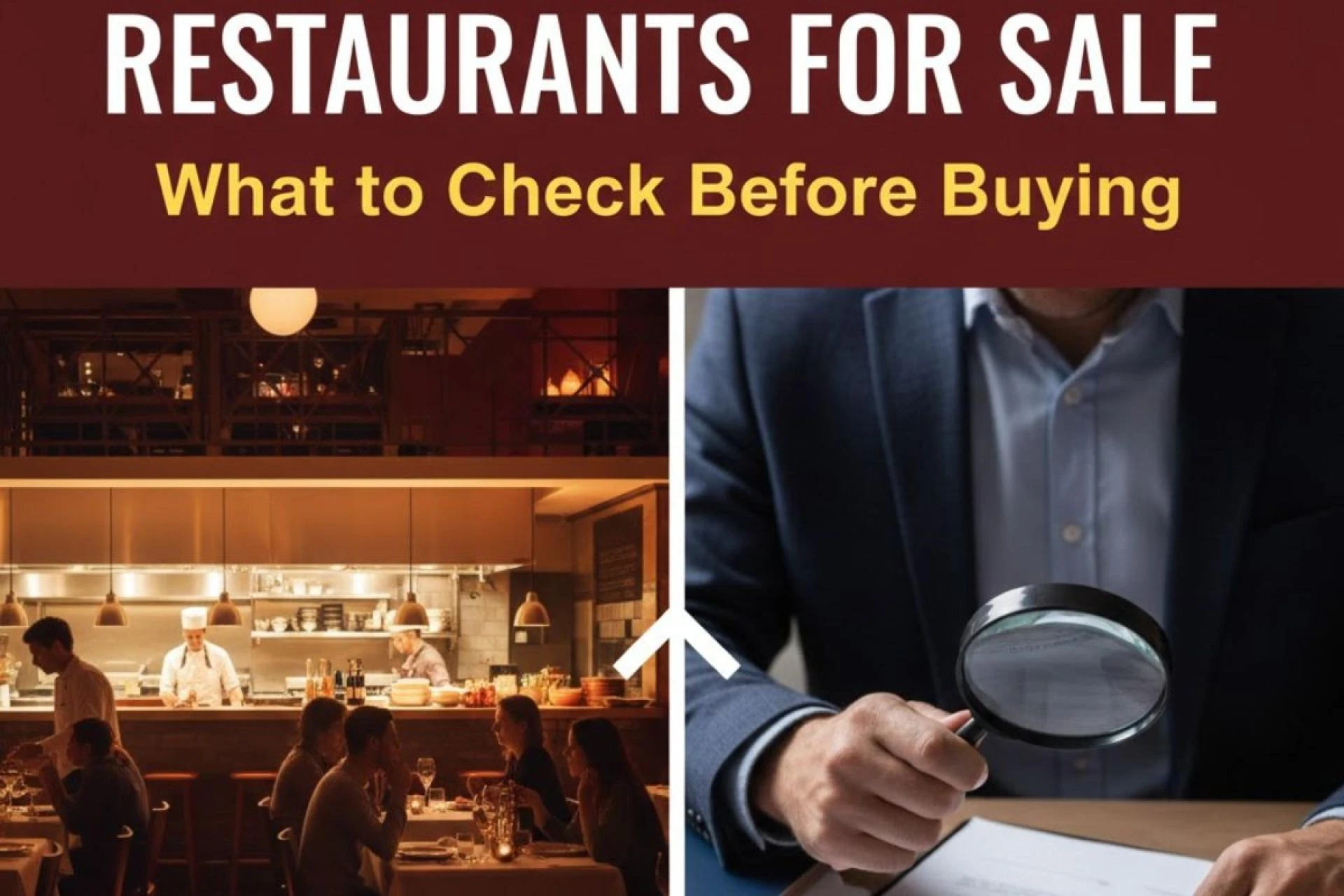

Buying a restaurant isn’t like picking up a new gadget. Honestly, it feels way more personal than that. You’re taking on someone else’s sweat, reputation, and late-night pizza deliveries, all bundled into one business. I’ve been scrolling through listings, and a lot of people jump straight into deals without thinking twice. But if you’re eyeing Restaurants for Sale, there’s a handful of things you really don’t want to miss.
Location, Location… Well, You Know
We all hear it. Location is everything. And it is, sort of. But there’s more to it than just “downtown” or “near the metro.” Foot traffic matters, yes, but also consider how easy it is for delivery drivers, if parking is chaotic, and even how the street feels at night. I once visited a place that looked perfect online—cute exterior, busy street—but at night, it felt like a ghost town. That kind of detail can make or break a restaurant.
Financials Aren’t Just Numbers
People underestimate how messy financials can get. Sure, there’s the revenue and profit, but dig deeper. Check utility bills, supplier invoices, and even staff payroll. Don’t just glance at a “profit statement.” Ask questions: why were certain expenses higher last year? Are there debts? Are suppliers reliable? I’ve seen a few deals where everything looked golden until the new owner realized the kitchen equipment was financed through some obscure lease agreement. Messy.
Inspect the Kitchen (Literally)
This might sound obvious, but it’s shocking how often people skip it. Open the fridge. Peek under the counters. Smell the drains. Kitchens can be a real deal-breaker if they’re neglected. A slightly rusty hood might seem minor, but replacing it isn’t cheap. Also, check the ventilation, gas lines, and general cleanliness. If the kitchen feels like it hasn’t been maintained, chances are the staff wasn’t either.
Staff and Their Role
Staff can make or break a restaurant. A solid head chef, experienced servers, or even a trustworthy manager can be worth more than fancy furniture. I remember a small diner where the owner sold it but kept the head chef on a freelance contract. The buyer later told me the chef was basically the heart of the operation. Losing them? Total nightmare. So, ask who’s staying, who’s leaving, and maybe even talk to them directly.
Licenses and Permits
Dubai is specific about permits. And yes, missing one can mean big fines or even forced closure. Ask for the trade license, food license, health inspection reports, and any other necessary documents. Some restaurants sell “as is” without mentioning that permits might need updating or transferring. And trust me—sorting that out after purchase is more stressful than you’d think.
Reputation Online
It might feel silly, but check reviews. I mean really check them. Not just on Google—look at Zomato, Facebook, Instagram comments. People overshare these days, and bad reviews can hint at recurring problems. A few random complaints? Probably nothing. But repeated patterns about staff rudeness, food quality, or hygiene? That’s worth paying attention to.
Equipment Age and Maintenance
A restaurant’s heart is its equipment. Ovens, fryers, dishwashers—they all have a life span. Even if the place looks shiny, check for wear and tear. Ask when equipment was last serviced. Some owners gloss over older machines thinking “it still works.” True, but it could die in three months, leaving you scrambling.
Lease Terms
If the restaurant space is rented, read the lease carefully. Some places have “hidden clauses” like sudden rent hikes or restrictions on renovations. You don’t want to be locked into a contract that eats your profits before you even open a drawer.
Customer Base
Who actually comes in? If it’s a neighborhood spot, is it families, office workers, tourists? Knowing your audience is key because it shapes everything from menu decisions to marketing. A restaurant with inconsistent clientele might seem risky unless you have a solid plan.
Trust Your Gut
Lastly, trust your gut. Numbers are essential, inspections matter, and yes, even reviews can guide you. But something intangible always exists in restaurants—vibe, energy, potential. If you walk into a place and it just feels… off, take a step back. I’ve seen people buy amazing-looking restaurants only to realize the space feels dead and uninspiring.
Buying a restaurant is exciting, nerve-wracking, and occasionally terrifying. It’s a mix of math, people, and some gut feelings. You’ll probably make mistakes along the way, and maybe some things won’t be perfect. But with careful attention—checking financials, inspecting equipment, talking to staff, and really feeling the space—you’re more likely to land a place that doesn’t just look good on paper.
It’s a lot to think about. But hey, a well-chosen restaurant can turn into a place that people talk about for years. And isn’t that the point?










Sign in to leave a comment.