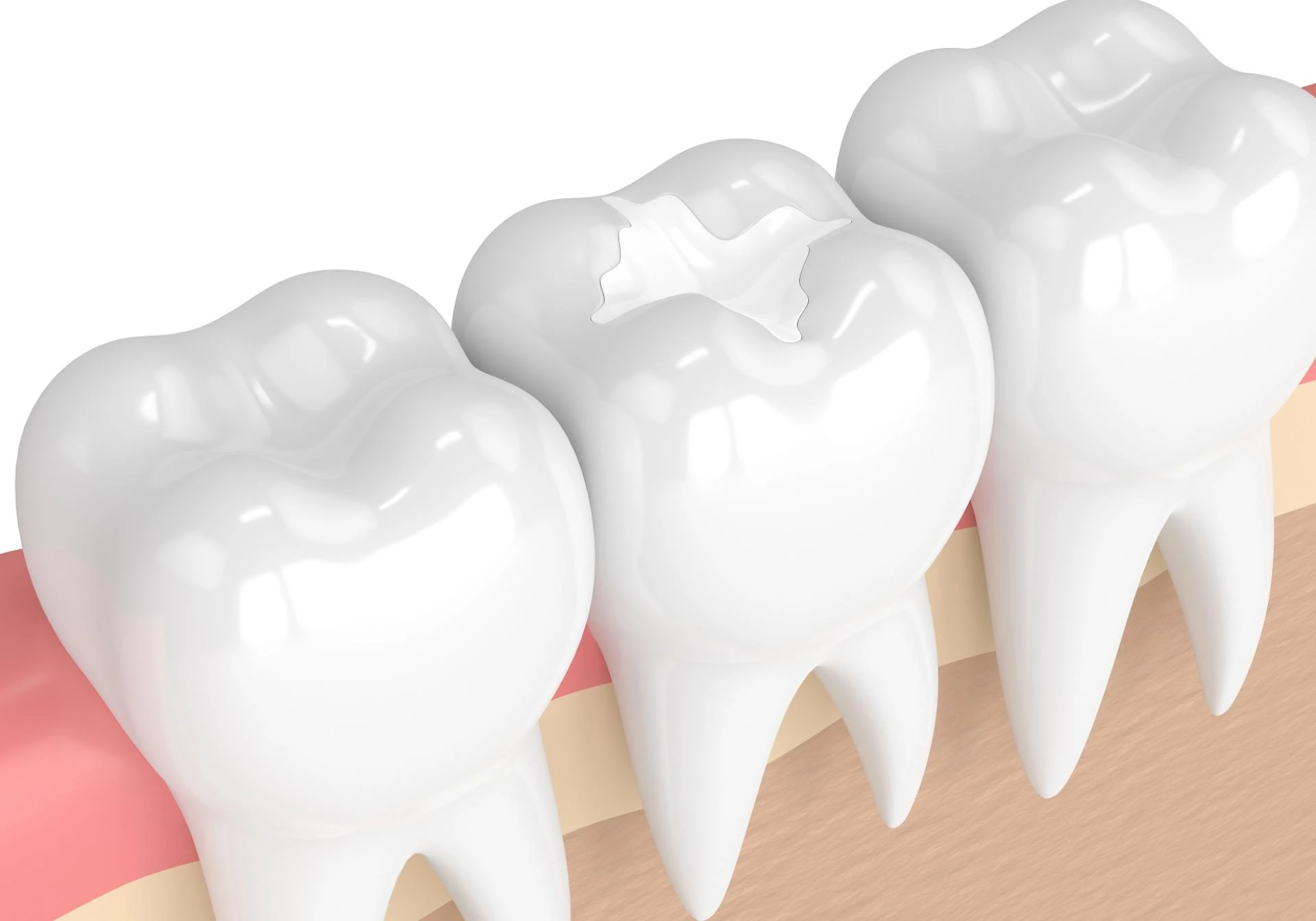

Maintaining a healthy smile goes beyond daily brushing and flossing. Over time, teeth may wear down, decay, or suffer damage due to accidents or lifestyle habits. That’s where restorative dentistry comes in. This branch of dental care focuses on repairing damaged teeth and bringing back both function and appearance.
Whether it’s a small cavity or a broken tooth, timely treatment can make a big difference. This guide will help you understand how restorative treatments work and when to consider them.
What Is Restorative Dentistry?
Restorative dentistry refers to the dental procedures aimed at fixing or replacing damaged or missing teeth. These treatments focus on improving your ability to chew, speak, and smile comfortably.
Unlike cosmetic dentistry, which is more about looks, restorative procedures help with the function of your teeth. But they often improve appearance as a bonus. Dentists use various tools and techniques to treat different dental problems. The goal is to preserve as much of your natural tooth structure as possible.
Common Reasons You Might Need Restorative Dentistry
Several issues may call for a restorative dentistry approach. Here are the most common:
- Cavities: Caused by tooth decay and often treated with fillings.
- Chipped or broken teeth: May happen due to injury or biting down on hard foods.
- Worn teeth: Often the result of grinding or aging.
- Missing teeth: Gaps can lead to shifting of remaining teeth and bone loss.
- Infected teeth: May require more extensive care like root canal therapy.
If you experience pain, sensitivity, or notice changes in your bite, it’s time to see a dentist.
Tooth Fillings: A Simple Yet Important Solution
Tooth fillings are one of the most common forms of restorative dentistry. They are used to treat cavities by removing the decayed portion of a tooth and filling the space with material.
There are several types of filling materials, including
- Composite resin: Tooth-colored and blends in well.
- Amalgam: Durable and cost-effective but more visible.
- Gold or porcelain: Long-lasting and strong, often used for back teeth.
Dentists choose the right material based on the size and location of the cavity.
Signs You Might Need a Tooth Filling
Knowing the signs early can prevent more serious dental work later. Watch out for:
- Sudden tooth pain or sensitivity
- A hole or dark spot on a tooth
- Food getting stuck in the same area
- Cracked or worn-down teeth
Ignoring these symptoms can lead to infections or tooth loss. Tooth fillings are quick and effective when done early.
Other Types of Restorative Treatments
While tooth fillings are common, dental restoration covers more complex procedures too. These include:
1. Crowns
Crowns are used when a tooth is too damaged for a filling. They act as a cap, covering the entire tooth and restoring its shape and function.
2. Bridges
Dental bridges fill the space left by missing teeth. They anchor to nearby teeth and hold a false tooth in place.
3. Implants
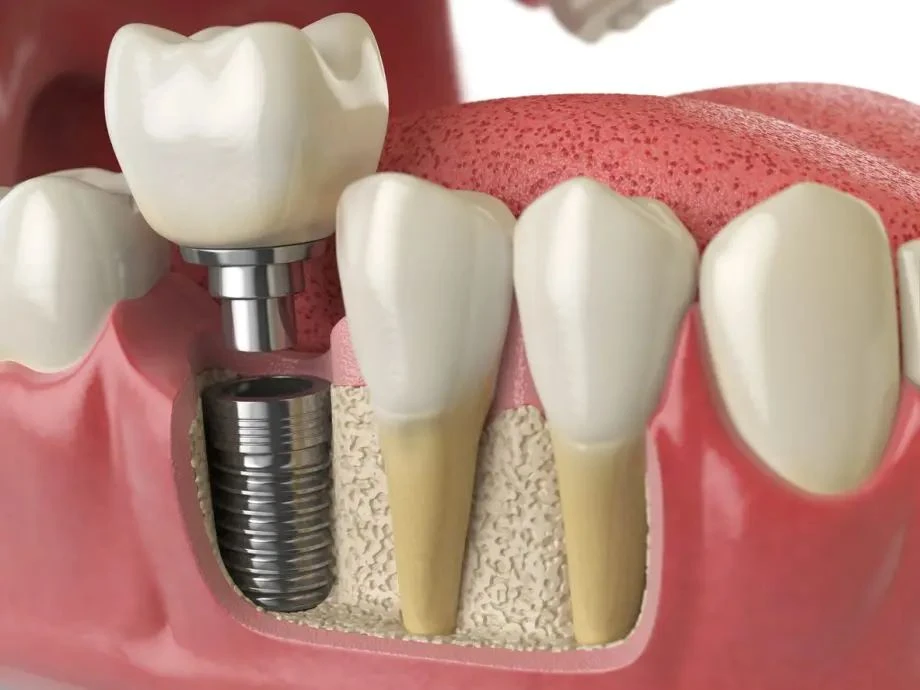
Dental implants are long-term replacements for missing teeth. They include a titanium post placed into the jawbone and a crown on top.
4. Dentures
For those missing several or all teeth, dentures offer a removable solution.
Each treatment depends on your specific dental condition. A thorough exam helps your dentist decide what works best for you.
Benefits of Restorative Dentistry
Getting timely treatment through dental restoration offers many advantages:
- Better function: Chew and speak without discomfort
- Stronger teeth: Reinforce weak areas
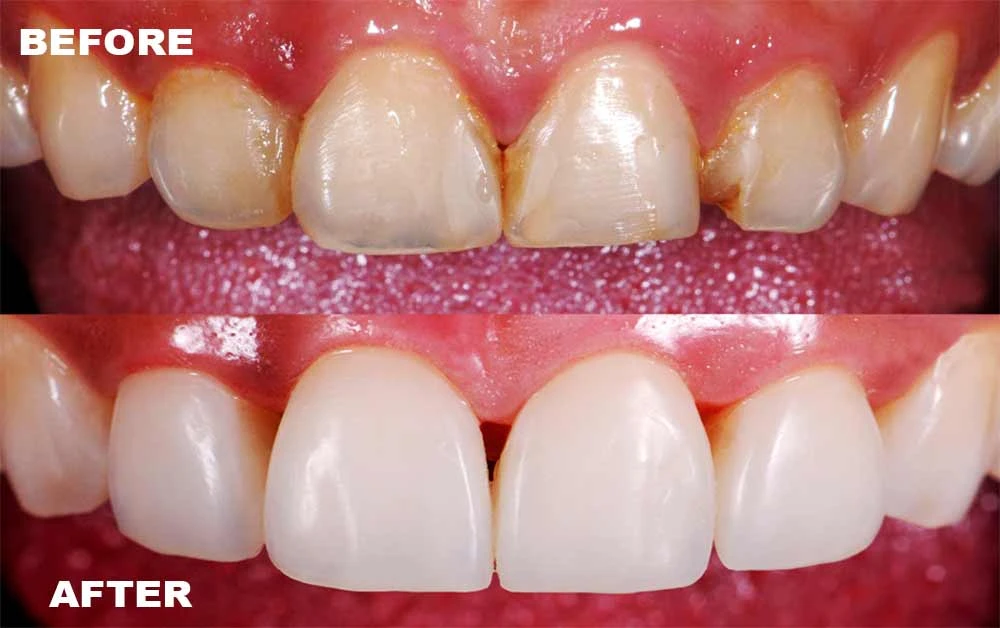
- Natural look: Most treatments match your real teeth
- Prevent future damage: Stops decay or wear from getting worse
- Improved comfort: Reduces sensitivity and pain
Preventing the Need for Restorative Work
Prevention is always better than treatment. Here’s how to protect your teeth and avoid the need for dental restoration:
- Brush twice daily with fluoride toothpaste
- Floss daily to remove food and plaque
- Visit your dentist every 6 months for checkups
- Avoid sugary foods and drinks
- Wear a mouthguard if you grind your teeth or play sports
Even with great care, issues can still arise. That’s why regular dental visits are so important.
What to Expect During a Restorative Procedure
If you need a tooth filling or any other restorative procedure, don’t worry. The process is usually simple and low in discomfort.
Here’s a general idea of what to expect:
- Exam and X-rays: Your dentist checks the problem and determines the right approach.
- Local anesthesia: Numb the area so you don’t feel pain.
- Treatment: The dentist removes damage and restores the tooth.
- Aftercare advice: You’ll get tips on how to care for the treated area.
Most patients return to normal activities the same day.
How Long Do Restorative Treatments Last?
The lifespan of treatments depends on the procedure and how well you care for your teeth.
- Fillings in teeth can last five to fifteen years.
- Crowns and bridges may last over a decade
- Implants often last a lifetime with good care
Following your dentist’s advice helps make your dental work last longer.
Cost of dental restoration
Costs vary based on the type of treatment, materials used, and the number of teeth involved Basic tooth fillings are more affordable. More complex procedures like implants cost more but offer long-term benefits. Some dental insurance plans cover dental restoration. It’s worth checking what’s included in your plan.
When to Seek Help
If you’re experiencing any of the following, it’s time to consult a dental professional:
- Ongoing pain or discomfort
- Loose or broken teeth
- Difficulty chewing
- Swelling or bleeding gums
- Visible cavities or missing teeth
Early action can prevent more complex and costly procedures down the line.
Conclusion
Keeping your teeth healthy is not just about brushing and flossing. It's also about knowing when to get help. Restorative dentistry can correct damage, ease pain, and help you feel more confident. Whether it's through tooth fillings, crowns, or implants, these treatments are designed to give you back your smile and comfort. Don't ignore dental issues; taking the right steps early can save you trouble in the future.



























Sign in to leave a comment.