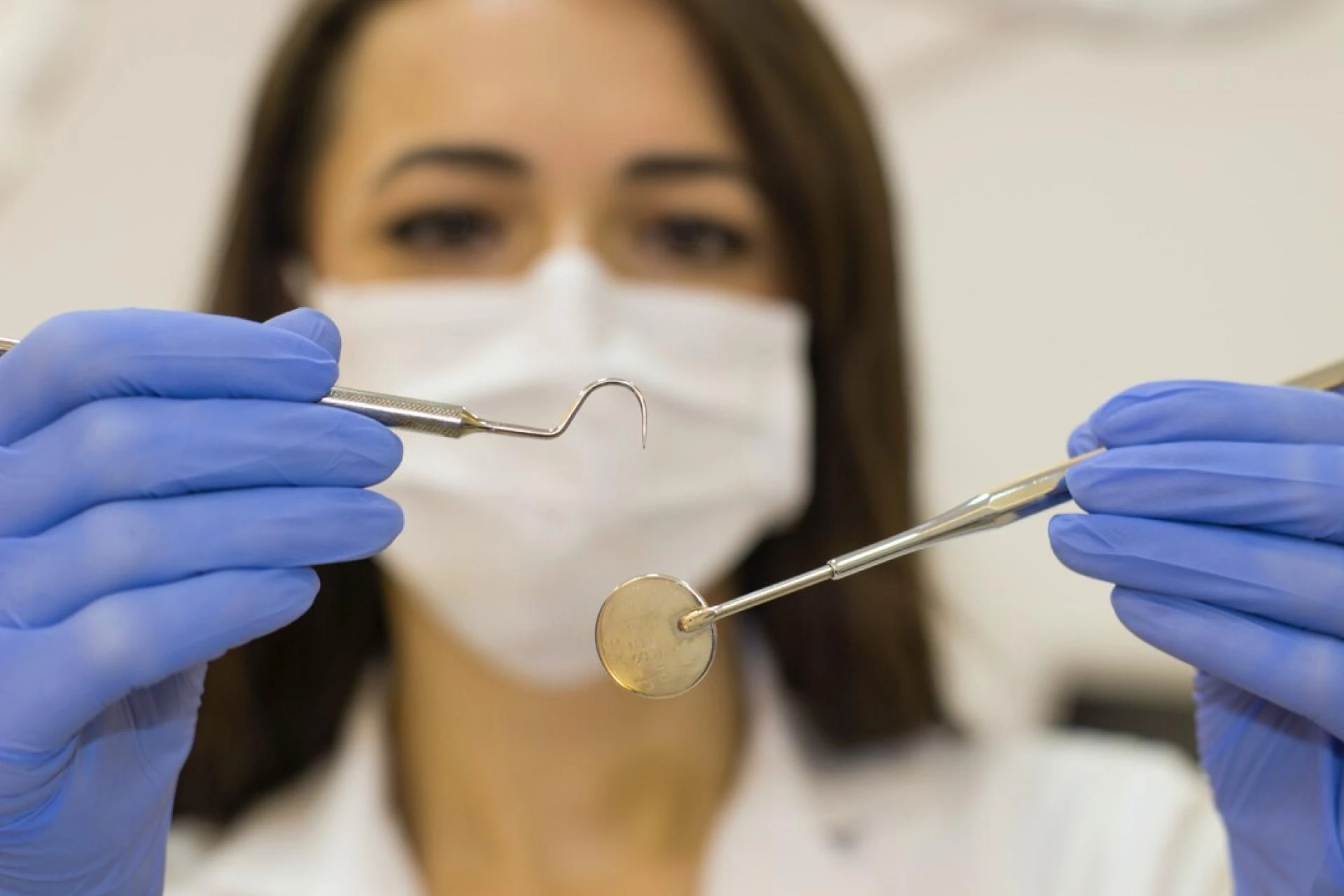

Oral health plays a major role in overall well-being. When your teeth are damaged, missing, or decayed, it affects how you chew, speak, and feel. That’s where restorative dentistry comes in. This area of dental care focuses on fixing and replacing teeth to help you regain both function and appearance. Many people wait too long before seeking help. That delay can lead to more serious problems. Fortunately, regular dental exams can catch issues early, making treatment easier and more effective.
What Is Restorative Dentistry?
Restorative dentistry includes all procedures that repair or replace teeth. These treatments help restore your bite and smile after tooth damage or loss. Common procedures include fillings, crowns, bridges, implants, and dentures. Each one serves a unique purpose, but all aim to improve oral function and appearance.
Even if the problem seems small, like a chipped tooth or mild decay, it should not be ignored. Minor issues often grow into larger concerns. With timely care, you can avoid pain and higher treatment costs down the line.
Why Restorative Dentistry Matters
Healthy teeth help you chew, speak, and smile with confidence. But when one or more teeth are missing or damaged, those basic actions become harder. You might avoid your favorite foods or feel embarrassed to smile. Dental restoration solves those problems and protects your remaining teeth.
Here are a few reasons why it’s essential:
- It prevents further damage by fixing weakened areas.
- It supports nearby teeth by filling gaps or stabilizing your bite.
- It helps reduce jaw pain caused by misalignment.
- It restores your ability to eat and speak naturally.
Without proper care, a damaged tooth can affect your entire mouth. That’s why early detection through a dental checkup is so important.
Types of Restorative Dental Treatments
Each patient’s needs are different. Your dentist will suggest treatment based on your tooth’s condition and overall health. Below are the most common restorative dentistry options:
1. Fillings
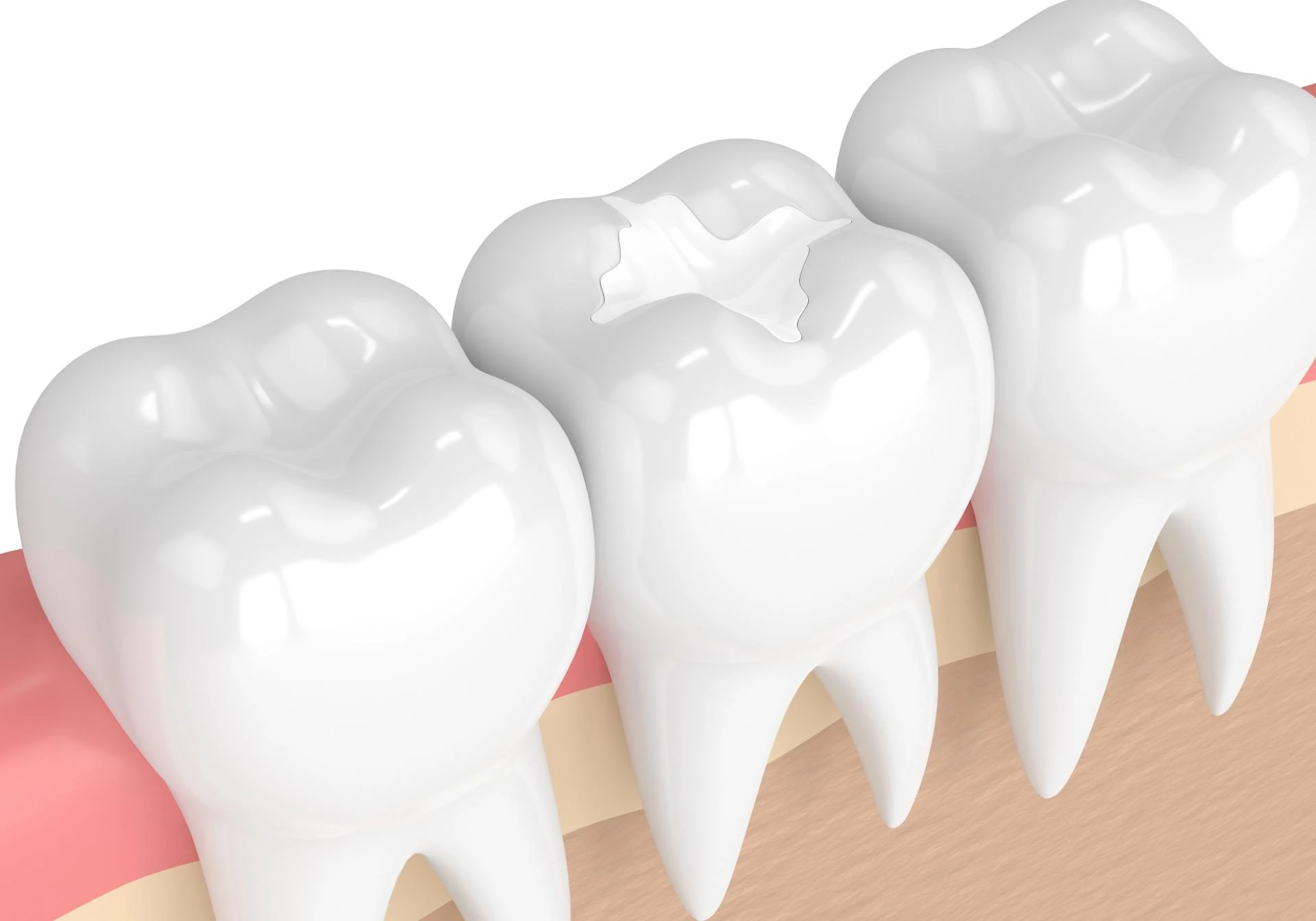
Fillings repair small areas of tooth decay. Your dentist removes the decayed part and fills the space with a tooth-colored material. This helps stop the spread of decay and restores the tooth’s shape.
2. Crowns
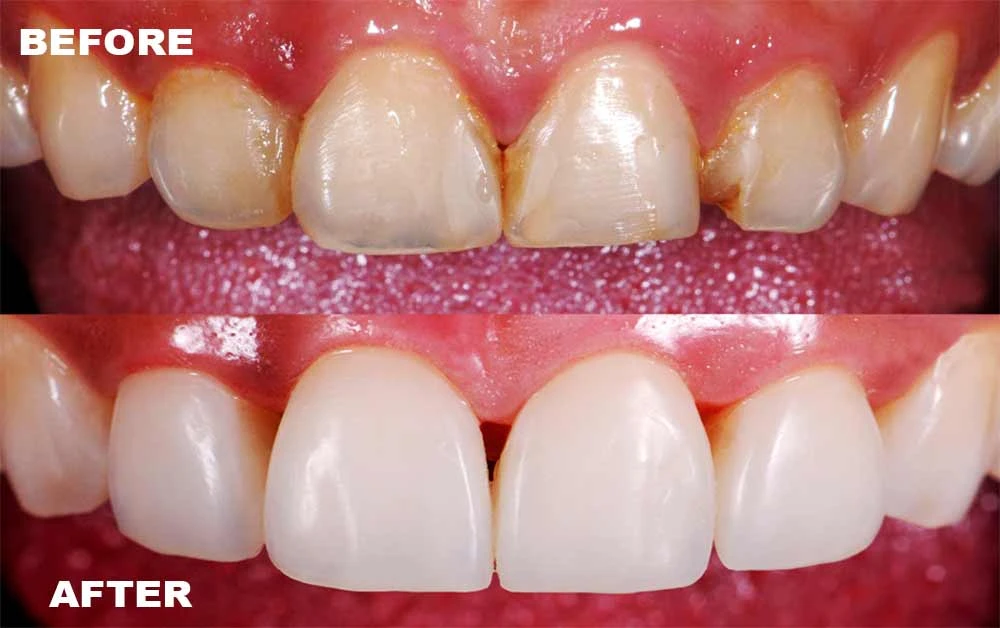
A crown covers a damaged tooth entirely. It’s often used when a tooth is cracked, worn down, or after a root canal. Crowns are shaped like natural teeth and improve strength and appearance.
3. Bridges
If you're missing one or more teeth, a bridge can fill the gap. It attaches to nearby teeth or implants and restores your bite and smile.
4. Dentures
Dentures replace multiple missing teeth. Partial dentures fill in a few gaps, while full dentures replace an entire set. They help you chew and speak more clearly.
5. Implants
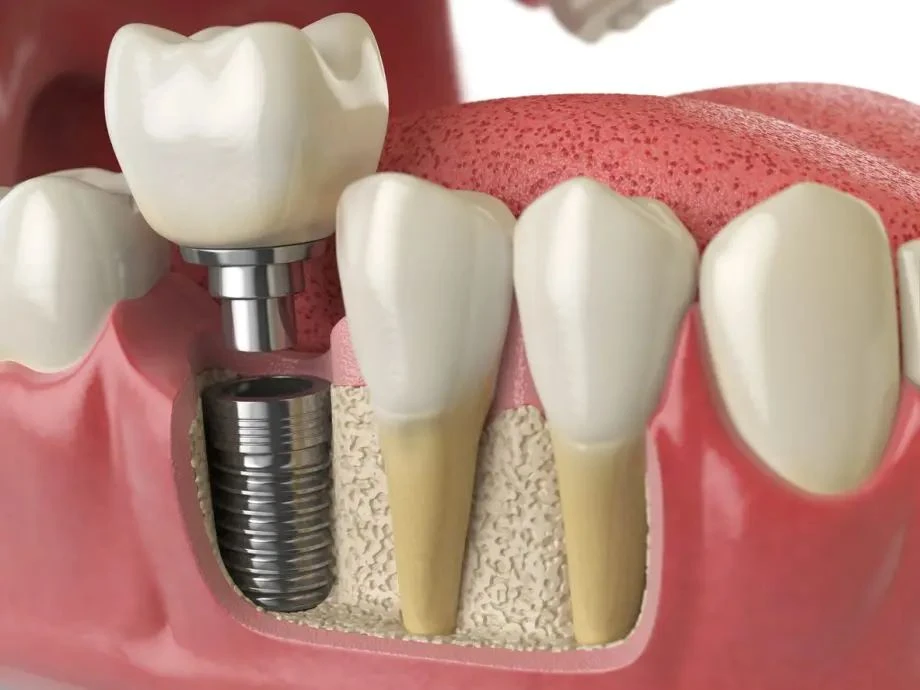
Implants are a popular long-term solution for missing teeth. A metal post is placed in your jaw, and a crown is added on top. Implants look and feel like natural teeth and prevent bone loss in your jaw.
The Role of Dental Exams in Restorative Care
Many serious dental issues start small. That’s why regular dental exams are so important. During an exam, your dentist checks for cavities, gum problems, and signs of damage. X-rays can reveal issues hidden below the surface. These exams give your dentist the chance to catch problems early. That means simpler treatments and lower costs. You also get advice on how to care for your teeth at home. You should schedule a dental checkup
at least twice a year. If you have ongoing dental problems or chronic conditions like diabetes, your dentist may recommend more frequent visits.
What to Expect During a dental checkup
A standard dental checkup is quick and painless. Here’s what usually happens:
- The dentist looks at your teeth and gums.
- X-rays may be taken to check bone and root health.
- The dentist checks for signs of decay or damage.
- Your bite and jaw are reviewed for any alignment issues.
- You’ll get a cleaning or advice for follow-up care.
This visit helps create a full picture of your oral health. It’s the first step before planning any restorative dentistry work.
Benefits of Starting Treatment Early
The earlier you start, the better your outcome. Small cavities can be treated with a filling. Wait too long, and you might need a root canal or extraction.
Here’s how early treatment helps:
- Saves time and money
- Avoids pain and discomfort
- Prevents the spread of infection
- Helps maintain a natural smile
Even if your teeth feel fine, a dental checkup could reveal issues you can't see or feel yet. That makes it a smart habit for everyone.
Keeping Your Teeth Healthy After Treatment
Restorative dentistry doesn’t stop once your treatment is done. Keeping your teeth healthy requires daily care. Here are a few simple steps to follow:
- Brush twice a day with fluoride toothpaste
- Floss daily to clean between teeth
- Avoid sugary snacks and drinks
- Visit your dentist regularly for a dental checkup
- Use a mouthguard if you grind your teeth at night
Your dentist may also suggest products or tools that help protect your dental work. That includes special brushes or rinses for people with bridges or implants.
How to Know If You Need Restorative Dentistry
You don’t have to wait for pain to take action. Here are a few signs that might mean you need help:
- You have a cracked, chipped, or broken tooth
- You notice swelling or bleeding around a tooth
- You avoid chewing on one side of your mouth
- You’ve lost one or more teeth
- You feel pain when you eat hot, cold, or sweet foods
If you notice any of these, don’t wait. A quick dental exam can show what’s wrong and what your options are.
Conclusion
Caring for your teeth is more than just brushing and flossing. When teeth are damaged or missing, restorative dentistry provides real solutions that improve your health and quality of life. With regular dental exams, you can catch problems early and avoid more serious issues. Take the time to get checked; it’s a smart step toward a healthier smile.




























Sign in to leave a comment.