
Introduction to Retaining Wall Construction
When it comes to enhancing the structural integrity of a landscape, retaining wall construction plays a pivotal role. At MBC Management, we understand that the success of any retaining wall project hinges on a combination of engineering precision, material selection, and meticulous installation techniques. This comprehensive guide aims to provide a thorough understanding of retaining wall construction, covering every essential aspect to ensure your project not only meets but exceeds expectations.
Understanding Retaining Walls
What is a Retaining Wall?
A retaining wall is a vertical structure designed to hold back soil and prevent erosion. It supports the land and creates usable space on sloped terrains, making it a crucial element in landscape design and construction. Retaining walls come in various styles and materials, each suited to different applications and aesthetic preferences.
Purpose and Benefits
The primary purpose of a retaining wall is to stabilize soil and prevent landslides or erosion. Beyond its functional benefits, retaining walls also enhance the aesthetic appeal of a property by creating tiered levels, which can be used for gardens, patios, or walkways. Additionally, they can improve property value and provide better drainage solutions.
Types of Retaining Walls
Gravity Retaining Walls
Gravity retaining walls rely on their own weight to resist the pressure of the soil behind them. Typically made from concrete, stone, or masonry, these walls are best suited for shorter heights and are known for their durability and strength. They are ideal for retaining walls that do not require extensive reinforcement.
Cantilever Retaining Walls
Cantilever retaining walls use a cantilevered base to counteract soil pressure. This type of wall is designed with a thick base slab and a vertical stem that extends from the base to the top. Cantilever walls are often used for taller structures and offer a more economical solution compared to gravity walls due to their efficient use of materials.
Counterfort Retaining Walls
Counterfort retaining walls are similar to cantilever walls but include additional reinforcements called counterforts. These are vertical supports attached to the wall at intervals, which help to reduce the load on the wall and enhance stability. This type is suitable for very tall retaining walls where additional reinforcement is necessary.
Sheet Pile Retaining Walls
Sheet pile retaining walls are constructed using thin, vertical sheets driven into the ground. These walls are commonly used in soft or loose soil conditions where other types of retaining walls might be impractical. They are often made from steel, vinyl, or reinforced concrete and are ideal for applications requiring minimal excavation.
Segmental Retaining Walls
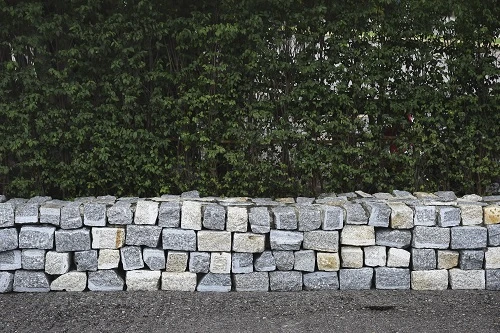
Segmental retaining walls are constructed from interlocking blocks that can be easily assembled and disassembled. These walls offer flexibility in design and are suitable for both residential and commercial projects. The blocks are often made of concrete, and their interlocking nature allows for a variety of styles and configurations.
Design Considerations
Soil Analysis
Before commencing construction, a thorough soil analysis is crucial. This includes determining soil composition, moisture content, and load-bearing capacity. Understanding these factors helps in selecting the appropriate type of retaining wall and ensuring its stability.
Drainage Solutions
Proper drainage is essential to prevent water accumulation behind the retaining wall, which can lead to increased pressure and potential failure. Installing weep holes, drainage pipes, and gravel backfill can help manage water flow and maintain the wall\'s structural integrity.
Height and Load Factors
The height of the retaining wall and the load it needs to support significantly influence its design and construction. Taller walls require additional reinforcement and engineering considerations to ensure stability and prevent collapse.
Material Selection
Choosing the right materials is critical for both functionality and aesthetics. Common materials include concrete, natural stone, brick, and timber. Each material offers different benefits in terms of strength, durability, and appearance.
Construction Process
Site Preparation
Site preparation involves clearing the area where the retaining wall will be built. This includes removing vegetation, debris, and any obstacles that might interfere with construction. Proper grading ensures a level base for the wall.
Foundation and Footings
The foundation of the retaining wall is crucial for its stability. It should be dug to a depth that reaches stable soil or bedrock, and footings should be constructed to provide a solid base. For taller walls, reinforced concrete footings may be necessary.
Wall Construction
The construction process varies depending on the type of retaining wall. For gravity walls, this involves laying the first course of blocks or stones and building up the structure. Cantilever and counterfort walls require precise alignment of the base slab and stem. Sheet pile walls involve driving sheets into the ground and securing them.
Backfilling and Compaction
Once the wall is constructed, backfilling involves placing soil behind the wall. It is essential to use proper compaction techniques to ensure the soil is evenly distributed and compacted, which helps prevent settlement and shifting.
Finishing Touches
After construction, finishing touches include adding landscaping elements, such as plants or decorative stones, and ensuring proper drainage systems are in place. These details enhance the appearance and functionality of the retaining wall.
Maintenance and Inspection
Regular Inspections
Routine inspections are essential to ensure the retaining wall remains in good condition. Check for signs of erosion, cracking, or displacement. Early detection of issues allows for timely repairs and maintenance.
Repairs
Address any damage or wear promptly. Common repairs include sealing cracks, reinforcing weak areas, and addressing drainage issues. Regular maintenance helps extend the lifespan of the retaining wall and maintains its structural integrity.
Conclusion
Retaining wall construction is a complex process that requires careful planning, precise engineering, and high-quality materials. At MBC Management, we are committed to delivering exceptional retaining wall solutions that meet the highest standards of durability and aesthetics. Whether you are undertaking a residential or commercial project, understanding the key aspects of retaining wall construction will ensure a successful outcome that enhances both functionality and visual appeal.





Sign in to leave a comment.