

As life expectancy increases and retirement approaches, many people find themselves thinking about the next phase of their lives. A retirement village offers a solution that blends independence, comfort, and security in a supportive community. With more seniors choosing to downsize, simplify, and connect with like-minded individuals, retirement villages have become a popular choice for those looking to enjoy their golden years to the fullest.
What is a Retirement Village?
A retirement village, also known as an independent living community, is a housing option designed for older adults, typically aged 55 and above. These villages provide a variety of living accommodations, ranging from independent apartments to small homes. The primary appeal of retirement villages lies in their ability to offer a lifestyle that balances freedom and security. Residents enjoy the autonomy of private living spaces while having access to a range of communal services and amenities, such as recreational facilities, healthcare, and social activities.
Benefits of Living in a Retirement Village
Peace of Mind
One of the key advantages of living in a retirement village is the sense of safety and security. Many retirement villages have gated entrances, 24/7 security, and on-site staff who are available in case of emergencies. This is especially important for those who want to live independently but feel more at ease knowing help is always nearby.
Low Maintenance Living
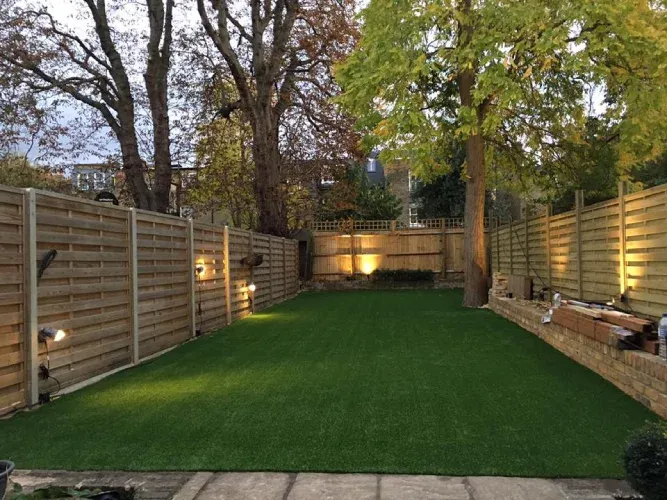
Say goodbye to mowing the lawn, cleaning gutters, and dealing with home repairs. Retirement villages often take care of maintenance, including landscaping, cleaning, and upkeep of common areas. This allows residents to focus on activities they enjoy without the burden of household chores.
Social Connection
Social isolation is a common issue for seniors, but in a retirement village, that’s less likely to happen. With a community of peers, social events, and communal spaces like dining rooms, lounges, and gardens, retirees can easily form meaningful friendships and stay engaged. Whether it’s joining a book club, participating in fitness classes, or attending movie nights, there are plenty of ways to stay active and connected.
Healthcare Services
While residents in retirement villages generally live independently, many communities offer access to on-site healthcare or a care team. This may include assistance with daily activities such as medication management, physical therapy, or housekeeping. For those who require more specialized care, some retirement villages offer assisted living or have connections to nearby healthcare providers.
Tailored Living Arrangements
Not all retirement villages are the same. Some offer luxury amenities, while others focus on providing a more modest lifestyle. Some villages cater specifically to those with medical needs, offering on-site nursing care, while others might focus on active living with amenities like golf courses, walking trails, or hobby clubs. The variety in options ensures that individuals can find a place that suits their needs, preferences, and budget.
Choosing the Right Retirement Village
When considering a move to a retirement village, there are several factors to keep in mind to ensure it’s the right fit:
- Location: Consider proximity to family, friends, and essential services like shopping, hospitals, and transportation. A retirement village located near the coast or in a warm climate may appeal to some, while others might prefer being close to urban amenities.
- Level of Care: Some people enter a retirement village fully independent, while others may require assistance over time. Check whether the village offers a continuum of care, such as access to assisted living or memory care, should needs change.
- Cost: Retirement villages have different pricing models. Some charge a lump sum for entrance, while others have monthly fees. Be sure to understand all the costs involved, including utilities, care services, and any additional amenities you might want to use.
- Lifestyle & Amenities: Take a tour of the village to see what activities, amenities, and services are available. Check if there are fitness centers, social clubs, or scheduled events. It’s also helpful to meet some of the residents to get a feel for the community.
The Future of Retirement Villages
As the population ages, the demand for retirement villages is expected to continue growing. Innovations in senior living are already underway, with more retirement villages offering sustainable living options, enhanced technology, and improved healthcare integration. Smart home features, telemedicine, and age-friendly designs are becoming increasingly common.
Moreover, the perception of retirement villages is shifting. They are no longer seen as places where people go to "slow down" but as vibrant communities where older adults can continue to thrive and enjoy life. By providing access to various lifestyle and wellness options, retirement villages are making it easier for seniors to stay active, engaged, and healthy.
Conclusion
A retirement village can be an ideal choice for those looking for a balanced, fulfilling life during their retirement years. With safety, convenience, social connection, and a wealth of amenities, these communities offer the perfect environment for seniors who wish to embrace the next chapter in life. Whether you’re looking for peace of mind, a strong social network, or the ability to remain independent, a retirement village might just be the perfect place to call home.

























Sign in to leave a comment.