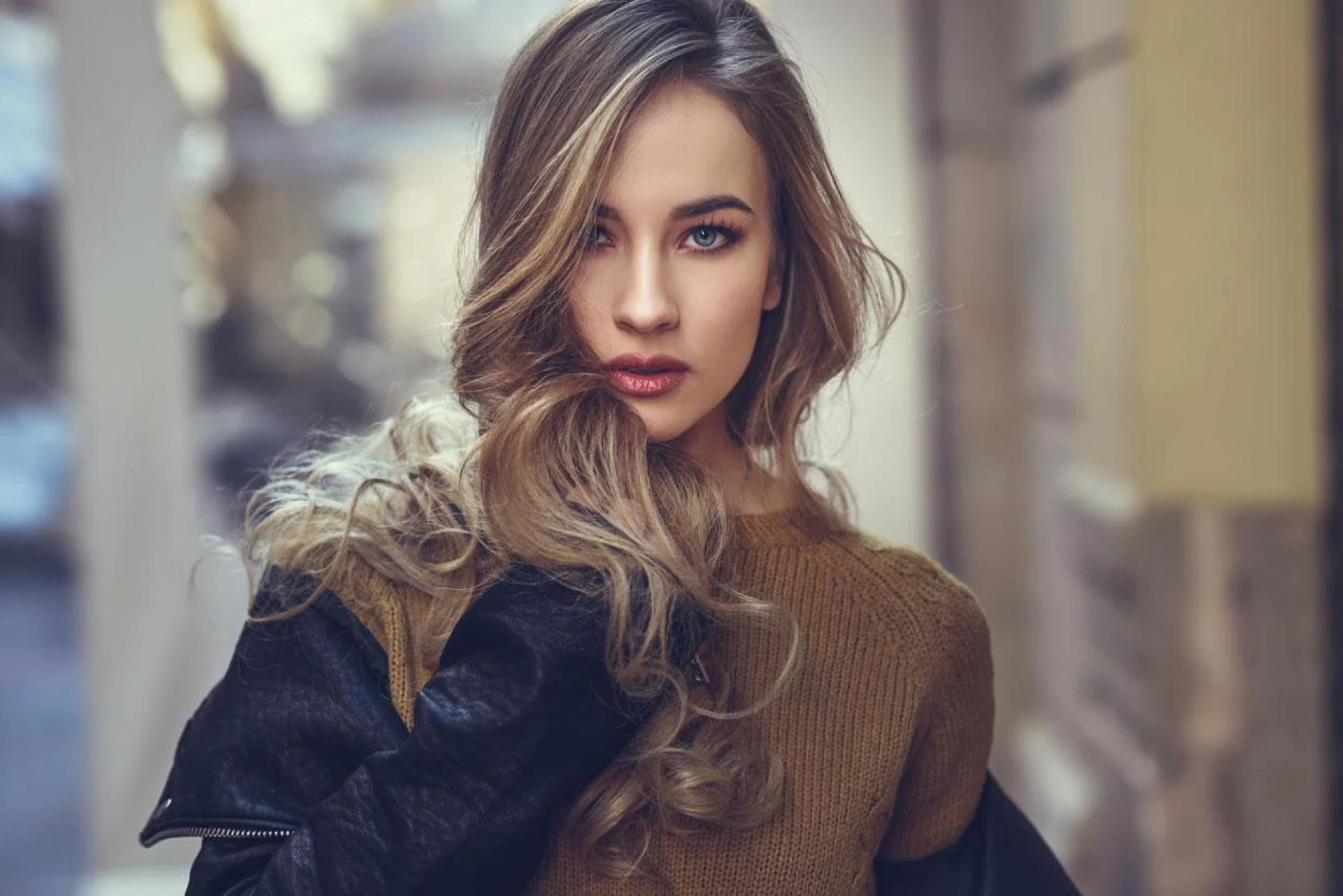
The Ultimate Guide to Professional Hair Coloring
Hair coloring is more than just a beauty trend—it’s a powerful form of self-expression that allows you to enhance your natural look, cover grays, or experiment with bold, fashion-forward shades. Whether you want a subtle balayage, a deep brunette transformation, or a daring pastel hue, Hair Coloring offers endless possibilities.
In this guide, we’ll explore different hair coloring techniques, how to choose the right shade for your skin tone, and essential aftercare tips to keep your color vibrant for longer.
Why Hair Coloring is More Than Just a Trend
Hair coloring has evolved from a simple dyeing process to an art form that enhances personal style. Here’s why professional hair coloring is worth the investment:
- Boosts confidence by enhancing your natural beauty.
- Adds depth and dimension to your hair.
- Covers gray hairs for a youthful appearance.
- Offers creative freedom to try bold or trendy shades.
- Strengthens hair with modern coloring techniques that infuse protective elements.
Types of Hair Coloring Techniques
1. Permanent Hair Color
This type of hair dye lasts the longest, as it penetrates deep into the hair shaft. It’s perfect for gray coverage and long-lasting transformations.
Best for: Those seeking a lasting color change with minimal upkeep.
2. Semi-Permanent Hair Color
Unlike permanent dye, semi-permanent color fades gradually over 4-8 weeks without harsh regrowth lines.
Best for: Trying out new shades without long-term commitment.
3. Balayage
A freehand painting technique that creates a natural, sun-kissed effect. It grows out seamlessly, requiring less maintenance than traditional highlights.
Best for: Those who want effortless, low-maintenance color.
4. Highlights and Lowlights
Highlights add brightness, while lowlights create depth and contrast.
Best for: Enhancing natural texture and dimension.
5. Ombre and Sombre
Ombre features a dramatic dark-to-light fade, while sombre is a softer blend.
Best for: A bold yet easy-to-maintain color effect.
6. Fashion Colors (Pastels & Bright Shades)
Bright blues, purples, pinks, and greens are achieved with pre-lightening to ensure color vibrancy.
Best for: Those looking to make a bold statement.
7. Gloss Treatment
A color gloss enhances shine and revives faded tones without permanent commitment.
Best for: Refreshing color between salon visits.
Choosing the Right Hair Color for Your Skin Tone
For Cool Undertones
- Blondes: Platinum, ash blonde, cool champagne.
- Brunettes: Cool brown, espresso, ash brown.
- Reds: Cool auburn, burgundy, cherry red.
For Warm Undertones
- Blondes: Honey, caramel, golden blonde.
- Brunettes: Chocolate brown, toffee, warm chestnut.
- Reds: Copper, golden red, strawberry blonde.
For Neutral Undertones
You can wear both warm and cool shades effortlessly. Rich brunettes, golden blondes, and true reds work well.
Hair Coloring Aftercare: How to Maintain Vibrant Color
1. Use Sulfate-Free Shampoo
Sulfates strip away color and moisture. Opt for a color-safe shampoo to preserve vibrancy.
2. Hydrate with Deep Conditioning Treatments
Color-treated hair needs extra moisture. Apply a deep conditioning mask weekly to maintain softness and shine.
3. Limit Heat Styling
Excessive heat can fade color. Always use a heat protectant spray before styling.
4. Reduce Washing Frequency
Frequent washing can dull color. Try washing 2-3 times a week and use dry shampoo in between.
5. Protect Hair from Sun and Chlorine
UV rays and chlorine can fade and alter hair color. Use UV-protectant sprays and rinse hair with fresh water before swimming.
Common Hair Coloring Mistakes to Avoid
1. Choosing the Wrong Shade
A shade that doesn’t complement your skin tone can look unnatural. Always consult a stylist for expert recommendations.
2. Overprocessing Hair
Repeated bleaching and coloring without proper care can weaken and damage hair.
3. Skipping Aftercare
Using regular shampoos and heat styling tools without protection leads to faster fading and dryness.
Conclusion
Hair Coloring is the ultimate way to transform your look and express your personality. Whether you want a subtle enhancement or a bold, vibrant shade, choosing the right technique and maintaining your color properly ensures long-lasting beauty.
FAQs
How long does hair color last?
- Permanent hair color lasts 4-6 weeks before noticeable regrowth.
- Semi-permanent color fades within 6-8 washes.
Does hair coloring damage hair?
No, when done professionally and maintained properly. Hydrating treatments and color-safe products prevent excessive dryness.
What’s the safest type of hair dye?
Ammonia-free and organic dyes are gentler on the hair and scalp while still delivering vibrant results.
Can I dye my hair at home?
While at-home kits exist, professional coloring ensures even application, longer-lasting results, and reduced risk of damage.
What should I do if my hair color turns out wrong?
If your color is too dark, too light, or uneven, a color correction treatment by a stylist can help achieve the desired shade.






Sign in to leave a comment.