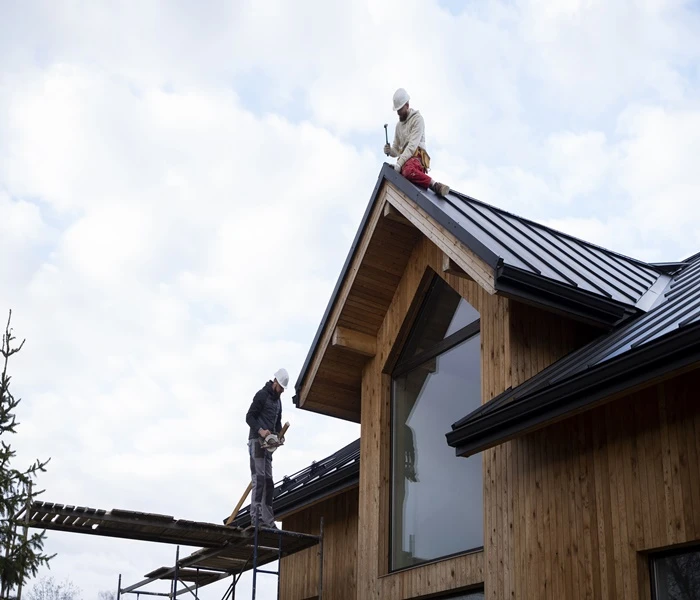

Vinyl siding has become a popular choice for homeowners due to its durability, low maintenance, and aesthetic appeal. However, like any exterior material, vinyl siding is not immune to wear and tear. In this guide, we will explore common issues with vinyl siding, DIY repair solutions, when to call in the professionals, and tips for maintaining and upgrading your vinyl siding for long-lasting performance.
I. Introduction
A. Importance of Vinyl Siding
Vinyl siding serves as a protective shell for your home, shielding it from the elements and enhancing curb appeal. It's crucial to address any issues promptly to maintain the structural integrity and appearance of your property.
B. Common Issues with Vinyl Siding
Common issues include cracks, fading, and warping, which can compromise the effectiveness and aesthetic of your vinyl siding.
II. Types of Vinyl Siding Damage
A. Cracks and Splits
Small cracks can develop over time due to exposure to harsh weather conditions. These can lead to water infiltration and further damage if not addressed.
B. Fading and Discoloration
Prolonged exposure to sunlight can cause vinyl siding to fade or change color. Discoloration not only affects the appearance but may also indicate UV damage.
C. Warping and Buckling
Warping and buckling occur when vinyl siding expands and contracts with temperature fluctuations. This compromises its ability to protect your home and can be visually unappealing.
III. DIY Vinyl Siding Repair
A. Tools and Materials Needed
Before starting your DIY repair, gather the following tools and materials:
Vinyl siding cleanerReplacement siding panelsUtility knifeZip toolHammerNailsB. Step-by-step Repair Guide
Cleaning the Siding: Use a vinyl siding cleaner to remove dirt and grime.Removing Damaged Panels: Use a zip tool to unlock and remove the damaged siding.Cutting Replacement Panels: Measure and cut replacement panels to fit the damaged area.Installing New Panels: Slide the new panels into place, securing them with nails.Checking for Uniformity: Ensure the repaired area blends seamlessly with the existing siding.IV. Professional Vinyl Siding Repair
A. When to Seek Professional Help
If the damage is extensive or involves structural issues, it's advisable to seek professional assistance. Additionally, if you're uncomfortable with DIY repairs, professionals can ensure a flawless outcome.
B. How to Choose a Reliable Contractor
Check Credentials: Verify licenses and certifications.Review Past Work: Look at previous projects to gauge the contractor's expertise.Get Multiple Quotes: Compare quotes to ensure fair pricing.V. Vinyl Siding Maintenance Tips
A. Cleaning and Upkeep
Regularly clean your vinyl siding to prevent mold and mildew growth. Use a soft brush or pressure washer for optimal results.
B. Inspection Schedule
Conduct regular inspections, especially after severe weather, to identify and address potential issues before they escalate.
VI. Upgrading Vinyl Siding for Better Durability
A. Advanced Vinyl Siding Options
Explore advanced vinyl siding options that offer increased durability, improved insulation, and resistance to fading.
B. Innovative Designs for Enhanced Protection
Consider innovative designs, such as insulated vinyl siding, to enhance the protective qualities of your home's exterior.
VII. Importance of Vinyl Siding in Home Exterior
A. Aesthetic Appeal
Vinyl siding contributes significantly to your home's curb appeal, making it an essential aspect of your property's visual identity.
B. Insulation Benefits
Well-maintained vinyl siding repair provides insulation, contributing to energy efficiency and reducing heating and cooling costs.
VIII. Common FAQs About Vinyl Siding Repair
A. Can I paint over damaged vinyl siding?
While possible, painting over damaged vinyl siding is a temporary solution. It's recommended to address the underlying issues through repairs or replacements.
B. What causes warping in vinyl siding?
Warping is often caused by temperature fluctuations, so choosing high-quality, weather-resistant vinyl can mitigate this issue.
C. How long does vinyl siding typically last?
With proper maintenance, vinyl siding can last 20-40 years. However, factors like climate and maintenance practices can influence its lifespan.
Conclusion
In conclusion, maintaining and repairing vinyl siding is essential for preserving the beauty and functionality of your home's exterior. Whether opting for a DIY approach or seeking professional help, timely attention to vinyl siding issues ensures a durable and visually appealing home.


























Sign in to leave a comment.