
I. Introduction
In the ever-evolving realm of business, the seamless integration of ERP (Enterprise Resource Planning) and HRMS (Human Resource Management System) software has emerged as a transformative force. This blog explores the intricate dance between these technological powerhouses and how their partnership is reshaping the landscape of organizational efficiency and success.
ERP software serves as the orchestrator, harmonizing various business processes into a cohesive symphony. Its prowess lies in centralizing data, automating routine tasks, and providing real-time insights, empowering businesses to streamline operations and make informed decisions. This technological symphony, led by ERP, ensures that every element within an organization operates in harmony, creating a unified approach to achieving strategic goals.
II. ERP Software: A Technological Maestro
At the core of organizational efficiency is ERP software, acting as a technological maestro conducting a harmonious collaboration of business processes. Much like a symphony conductor guides different sections of an orchestra to produce a unified melody, ERP orchestrates finance, supply chain management, and other critical functions. Its ability to centralize data ensures that every department is playing from the same sheet of music, fostering coherence and synchronization.
Beyond data management, ERP transforms resource allocation into a strategic advantage. By optimizing the allocation of both machinery and human resources, businesses achieve cost reduction, heightened productivity, and a strategic edge in the competitive market. This technological maestro not only streamlines operations but also enhances the strategic utilization of resources, setting the stage for organizational excellence.
III. HRMS Software: Nurturing the Human Element
In the realm of human resources, HRMS takes the spotlight as a holistic approach to employee lifecycle management. It goes beyond being a tool for managing personnel; it becomes a nurturing force for the human element within the organization. HRMS automates critical processes such as recruitment, onboarding, performance reviews, and payroll processing, fostering a workplace culture where human capital is not just managed but actively nurtured, engaged, and optimized.
HRMS transcends the realm of automation; it becomes a catalyst for cultural transformation. Through self-service features, employees gain autonomy over leave requests, pay information, and career development. This empowerment fosters a positive workplace culture, contributing to employee satisfaction and loyalty. HRMS positions itself as a strategic partner in talent management, ensuring that employees are not only managed efficiently but also actively developed for future organizational needs.
IV. The Dance of Integration
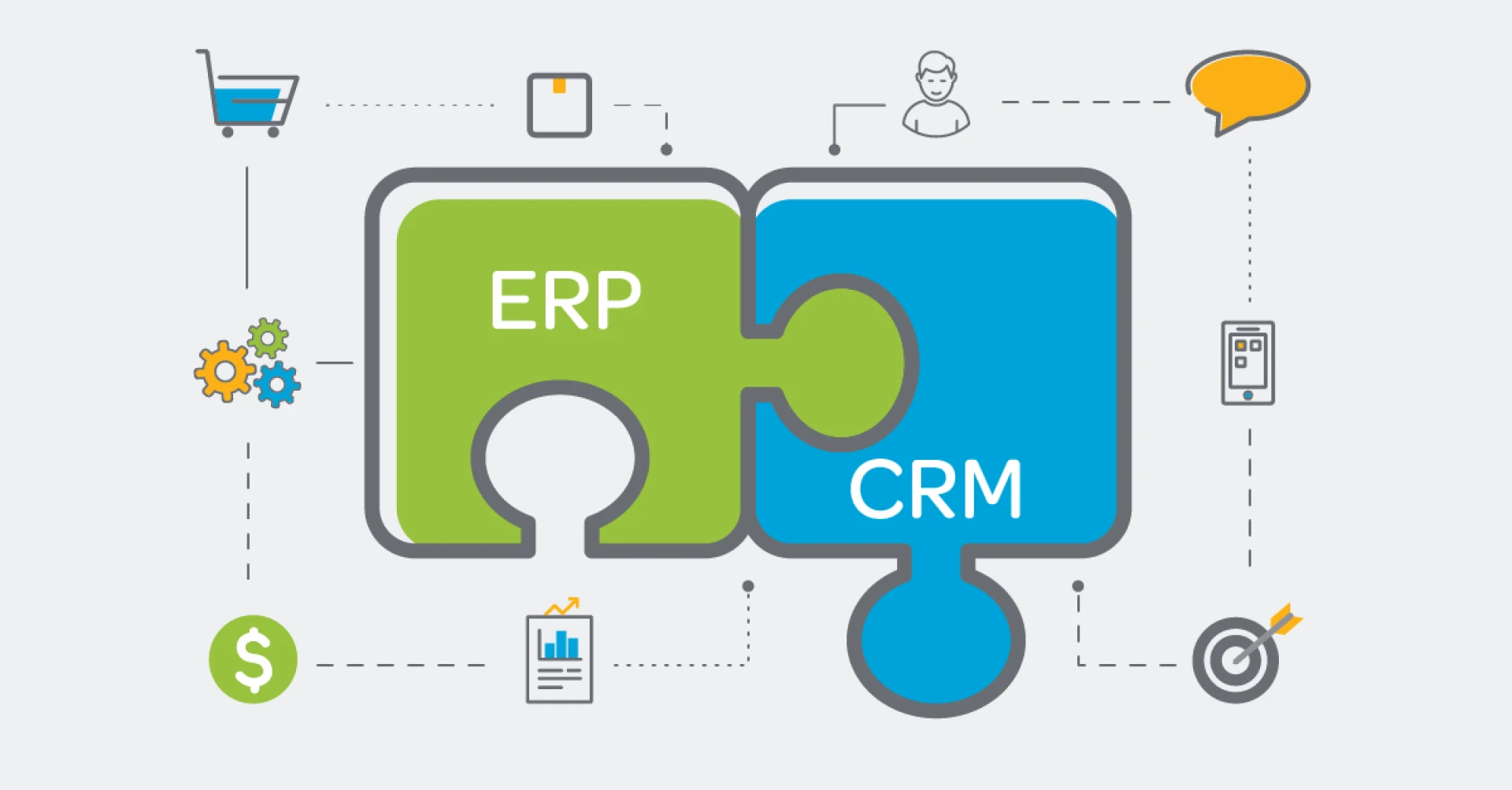
When ERP and HRMS seamlessly dance together, the result is a synchronized organizational ballet. Data flows effortlessly between these systems, enabling strategic decision-making based on real-time financial and human resource insights. This integration optimizes workflows, ensures compliance, and positions the organization for agile adaptation in the dynamic business environment. The dance of ERP and HRMS integration is not just about coordination; it's about elevating the entire performance of the organization.
This synchronized ballet extends beyond internal processes. The integration of ERP and HRMS facilitates a cohesive approach to external interactions, providing a unified experience for clients, employees, and stakeholders. For instance, when a customer interacts with a company, the system seamlessly combines data from both ERP and HRMS, offering a comprehensive view. This not only enhances customer satisfaction but also streamlines communication, reinforcing the organization's image as a well-coordinated and efficient entity.
V. Strategic Resource Allocation
ERP's prowess in resource management extends beyond machines to the human workforce. By optimizing resource allocation, businesses ensure that talents are utilized efficiently, promoting cost reduction, heightened productivity, and a strategic edge in the competitive market. ERP transforms resource management into a strategic advantage, ensuring that every employee's skills contribute effectively to organizational success.
Strategic resource allocation involves not just assigning tasks but aligning individuals with roles that complement their skills and strengths. ERP's analytics provide valuable insights into employee capabilities and performance, allowing for informed decision-making in resource deployment. This strategic approach not only enhances individual job satisfaction but also contributes to the overall success of projects and initiatives.
VI. HRMS: Beyond Automation
HRMS transcends mere automation; it's a catalyst for cultural transformation. By providing self-service features, employees gain autonomy over leave requests, pay information, and career development. This empowerment nurtures a positive workplace culture, fostering employee satisfaction and loyalty. HRMS becomes not just a tool but an enabler of employee engagement, contributing to a motivated and dedicated workforce.
Empowerment through HRMS involves more than just providing access to information; it's about giving employees the tools to actively shape their professional journey. For example, self-service features enable employees to set and track their career goals, request training programs, and participate in performance reviews. This empowerment not only contributes to a more engaged workforce but also positions HR as a strategic partner in individual career development.
VII. Compliance Assurance with HRMS
In the intricate web of employment laws and regulations, HRMS stands as a beacon of compliance. By automating HR processes, it not only minimizes errors but ensures that the organization
adheres meticulously to legal standards. This proactive approach solidifies the organization's credibility within the industry and mitigates the risks associated with non-compliance.
Compliance assurance involves continuous monitoring and adaptation to evolving legal standards. HRMS provides a centralized platform where compliance-related data is systematically recorded and updated. This not only simplifies audits and inspections but also enables proactive measures to address potential compliance issues before they escalate. In the dynamic landscape of employment laws, HRMS becomes an essential tool for organizations striving to maintain ethical and legal practices.
VIII. The Invisible Revolution of ERP
In the age of digital transformation, ERP operates as a silent revolution. By automating mundane tasks, it liberates human resources for strategic pursuits. This not only amplifies efficiency but also cultivates a culture of innovation within the organization. ERP becomes a driving force behind organizational evolution, creating space for employees to engage in meaningful, innovative work.
The invisible revolution of ERP is not just about automating routine tasks; it's about transforming the way organizations approach work. The system's ability to handle repetitive processes allows employees to focus on value-added activities, such as strategic planning, innovation, and customer engagement. This not only enhances individual job satisfaction but also contributes to the overall competitiveness and adaptability of the organization.
IX. Data-Driven Decision-Making with ERP
The analytical capabilities of ERP become a game-changer. By dissecting and interpreting data, organizations gain insights into their operations. This data-driven decision-making ensures adaptability to market changes, providing a competitive edge over peers. ERP becomes not just a system of record but a strategic tool for foreseeing and responding to market dynamics.
Data-driven decision-making involves more than just collecting and analyzing information; it's about creating a culture where decisions are informed by insights rather than intuition. ERP's analytics allow organizations to identify trends, forecast market changes, and respond proactively to emerging opportunities or challenges. This strategic use of data positions the organization as a nimble player in a constantly evolving business landscape.
X. Embracing the Future: Unlocking Potential with ERP and HRMS
To navigate the evolving business landscape, organizations must not only adapt but innovate. ERP and HRMS are not mere technological solutions; they are strategic imperatives. Embracing the future involves unlocking the full potential of ERP and HRMS, steering the business towards unparalleled efficiency and sustainable growth. The synergy between these systems becomes a key driver for future success.
In conclusion, the dynamic duo of ERP and HRMS is reshaping the very foundations of business management. Their integration goes beyond the technical realm, influencing the cultural and strategic aspects of organizations. As businesses embrace this transformative partnership, they not only optimize their current operations but also position themselves for a future where efficiency, innovation, and success go hand in hand. The journey with ERP and HRMS software becomes a continuous evolution, ensuring organizations remain at the forefront of industry dynamics and ready to embrace the challenges and opportunities of the future.










Sign in to leave a comment.