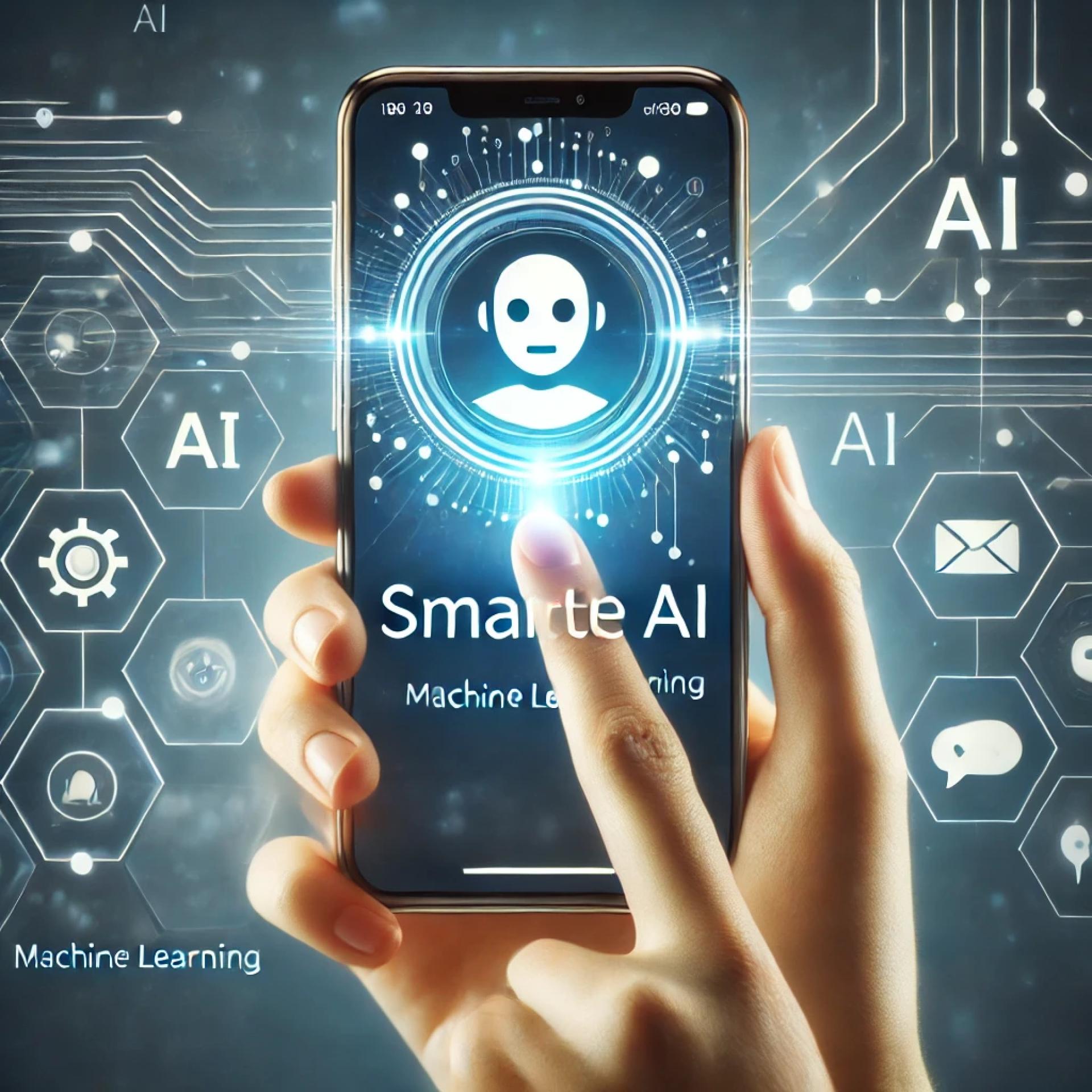
In today’s fast-evolving digital age, customers demand faster, smarter, and more personalized interactions. This is where AI chatbot development steps in, transforming traditional communication into seamless, intelligent exchanges. Let’s dive into how AI chatbots are revolutionizing conversations, their advanced features, and why businesses can’t afford to ignore them.
The Rise of Intelligent AI Chatbots
The early days of chatbots relied heavily on scripted responses, which limited their ability to handle complex queries. However, modern AI chatbot development leverages technologies like machine learning (ML) and natural language processing (NLP) to:
- Understand intent: AI chatbots now interpret meaning, not just keywords.
- Learn continuously: Machine learning helps them improve through repeated interactions.
- Deliver tailored experiences: By accessing user data, AI chatbots provide highly personalized responses.
Today, AI chat assistance has evolved into a critical tool across industries, reshaping customer service, sales, and more.
What Makes AI Chatbots Smarter?
Modern AI chatbots are equipped with groundbreaking technologies that make them smarter and more effective:
1. Natural Language Understanding (NLU)
NLU allows chatbots to grasp the nuances of human language, from tone to complex phrasing, enabling meaningful responses.
2. Memory and Context Awareness
Advanced bots remember previous interactions, enabling smooth follow-ups. For example, if you ask about a product’s price and later inquire, “What colors are available?”, they seamlessly connect the two.
3. Dynamic Data Integration
AI chatbots integrate with CRM systems, ticketing tools, and e-commerce platforms to offer instant solutions like tracking orders or recommending products.
4. Emotion Detection
Sentiment analysis equips chatbots to adapt their tone based on the user’s mood—calming an upset customer or enhancing a happy one’s experience.
5. Multi-Language Capabilities
Breaking language barriers, these bots can communicate globally while adapting to cultural subtleties for authentic interactions.
Why Every Business Needs AI Chatbots
1. Round-the-Clock Availability
With AI chat assistance, your business is always online, offering instant responses any time of the day.
2. Cost-Effective Solutions
AI chatbots minimize the need for large customer support teams, reducing operational costs significantly.
3. Scalability Without Limits
From one to thousands of simultaneous interactions, AI chatbots effortlessly handle the load, making them ideal for growing businesses.
4. Superior User Experience
Fast, accurate, and personalized responses enhance customer satisfaction, building long-term loyalty.
5. Actionable Business Insights
By analyzing user interactions, AI chatbots offer valuable data on customer behavior, preferences, and trends.
Best Practices for AI Chatbot Development
Building a smarter AI chatbot requires attention to detail. Here are the essentials:
1. Define Goals Clearly
Be specific about your chatbot’s purpose. Whether it’s customer service, lead generation, or sales, clarity drives focused development.
2. Design for Natural Conversations
Create conversational flows that feel intuitive, friendly, and human-like, avoiding robotic tones.
3. Harness Machine Learning
Incorporate ML to let the bot learn from user interactions, ensuring continuous improvement.
4. Ensure Seamless System Integration
Your chatbot should work effortlessly with your CRM, payment systems, or inventory tools to deliver real-time solutions.
5. Test and Optimize Regularly
Run extensive tests across scenarios to refine performance and address any edge cases.
Key Industries Leveraging AI Chatbots
1. Retail and E-Commerce
AI chatbots guide shoppers, track orders, and offer personalized product recommendations.
2. Healthcare
Virtual assistants schedule appointments, answer health-related queries, and manage patient records.
3. Banking and Finance
Chatbots help users with transactions, provide account details, and explain financial products.
4. Education
AI tutors offer personalized learning experiences, answer queries, and recommend study resources.
5. Travel and Hospitality
From booking flights to suggesting itineraries, AI chatbots ensure a smoother travel experience.
FAQs About AI Chatbots
1. What is AI chatbot development?
AI chatbot development involves creating smart conversational agents powered by AI, capable of handling complex tasks and providing human-like responses.
2. How are AI chatbots better than traditional bots?
Unlike rule-based bots, AI chatbots use NLP and machine learning to understand context, learn, and adapt to user needs dynamically.
3. Can AI chatbots handle advanced tasks?
Yes, they can manage complex workflows, analyze data, and provide real-time solutions like order processing or personalized recommendations.
4. How can small businesses benefit from AI chat assistance?
Small businesses can automate customer interactions, enhance user experiences, and reduce operational costs with AI chat assistance.
5. What tools are essential for AI chatbot development?
Successful AI chatbot development relies on platforms like OpenAI’s GPT, Microsoft’s Azure Bot Framework, or Google Dialogflow for creating intelligent solutions.
Conclusion
The evolution of AI chatbot development has brought smarter, more adaptive conversational tools to the forefront of business innovation. These chatbots are no longer simple tools for answering FAQs but powerful allies for driving growth, enhancing user engagement, and streamlining operations.
If you’re looking to revolutionize your customer experience, investing in AI chatbot solutions is the way forward. By embracing smarter AI chat assistance, you’re setting your business up for a future where meaningful, efficient, and impactful conversations drive success.










Sign in to leave a comment.