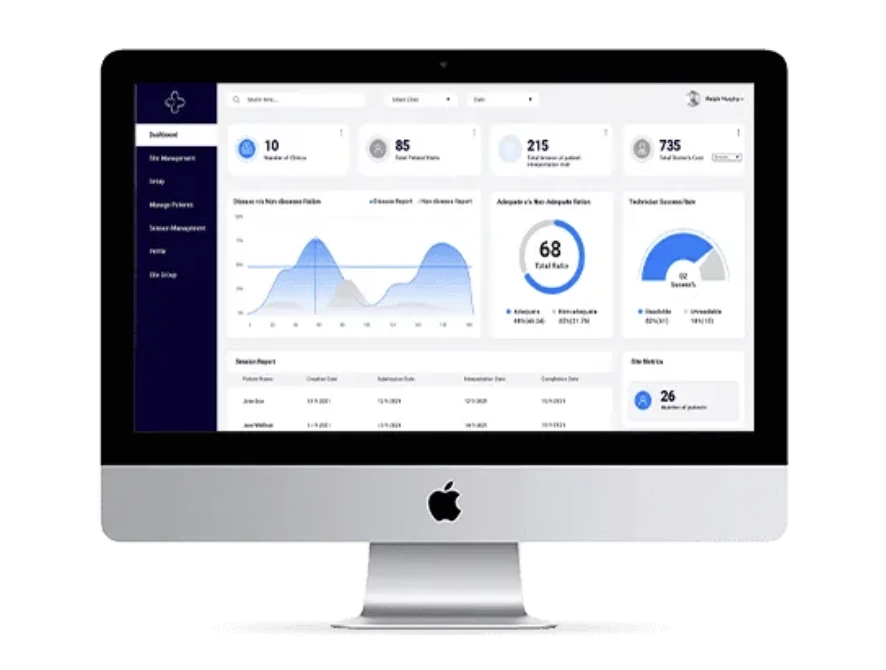

In recent years, personalized medicine has emerged as one of the most promising innovations in healthcare. By tailoring treatment plans to individual genetic profiles, environmental factors, and lifestyle choices, personalized medicine ensures that patients receive the most effective therapies for their unique needs. However, for personalized medicine software solutions to reach its full potential, the integration of advanced software solutions is critical. These software tools help streamline data collection, analysis, and the implementation of personalized treatment plans.
The Role of Software in Personalized Medicine:
The primary aim of personalized medicine is to treat patients based on their unique genetic makeup, lifestyle, and environment rather than using a "one-size-fits-all" approach. This method improves the effectiveness of treatments, reduces unnecessary side effects, and can significantly improve patient outcomes.
However, personalized medicine relies heavily on the collection and analysis of vast amounts of data, including genetic information, medical history, lifestyle factors, and environmental influences. This is where the importance of specialized software becomes clear. The right software can seamlessly integrate and analyze complex data sets to generate actionable insights for healthcare providers.
Key Features of Personalized Medicine Software:
Data Integration and Management:
Personalized medicine software must efficiently integrate data from various sources, such as electronic health records (EHR), genetic testing results, wearable devices, and lab reports. This enables healthcare providers to get a comprehensive view of a patient’s health status, which is essential for formulating the most appropriate treatment plan.
Predictive Analytics:
One of the core advantages of personalized medicine is the ability to predict how a patient will respond to a specific treatment based on their genetic profile. Software that incorporates predictive analytics uses machine learning and artificial intelligence (AI) to analyze historical data and generate predictions for future outcomes. This allows healthcare providers to make data-driven decisions and personalize treatments more accurately.
Patient-Centered Solutions:
Software platforms designed for personalized medicine also focus on improving the patient experience. Features like patient portals allow individuals to access their own health data, track their treatment progress, and communicate with their healthcare providers. This increases patient engagement and empowers individuals to take an active role in their health management.
Clinical Decision Support:
Personalized medicine software offers decision support tools that help healthcare providers make more informed choices. By offering treatment recommendations based on a patient's genetic profile and medical history, these tools ensure that healthcare professionals are always armed with the most up-to-date, evidence-based guidance.
Data Security and Privacy:
Given the sensitive nature of genetic data and personal health information, software solutions used in personalized medicine must comply with strict data protection regulations. Advanced security features such as encryption and secure cloud storage are essential for protecting patient privacy while enabling seamless data sharing between authorized healthcare providers.
The Future of Personalized Medicine Software:
As the healthcare landscape continues to evolve, the future of personalized medicine software looks promising. Advancements in genomics, AI, and data analytics will further enhance the accuracy and effectiveness of personalized treatment plans. The ability to harness big data and use it to create truly individualized therapies is likely to revolutionize how we approach healthcare in the coming years.
Additionally, personalized medicine services can facilitate collaborations between healthcare providers, researchers, and pharmaceutical companies, leading to the development of more precise and effective treatments. The integration of software solutions into the healthcare ecosystem will continue to drive innovations, making personalized medicine a central part of modern healthcare.
Conclusion:
Personalized medicine holds immense potential to transform healthcare by delivering more precise and effective treatments. However, to unlock its full capabilities, the development of advanced software solutions is crucial. These tools help integrate complex data, support clinical decision-making, and enhance patient engagement. As technology continues to evolve, personalized medicine software will play an increasingly vital role in shaping the future of healthcare, bringing us closer to a world where treatments are tailored to each individual’s needs.


























Sign in to leave a comment.