

In today\'s rapidly evolving educational landscape, traditional teaching methods are giving way to innovative technologies that enhance engagement and interaction in the classroom. Among these transformative tools, interactive flat panel displays stand out as a game-changer, revolutionizing the way educators impart knowledge and students absorb information. With their intuitive interfaces, dynamic features, and collaborative capabilities, these displays have become indispensable assets in modern educational settings.
Enhancing Classroom Dynamics

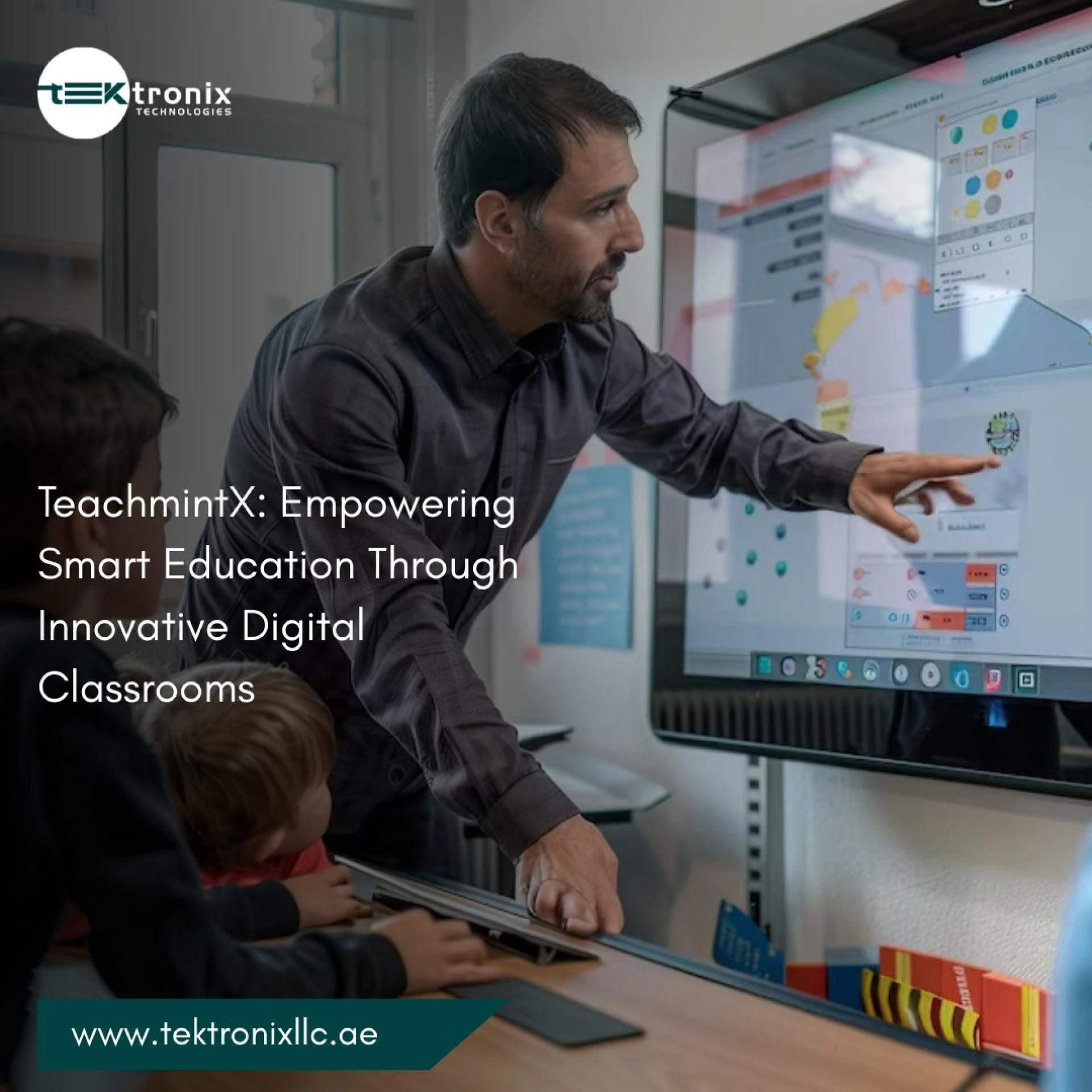
Interactive flat panel displays serve as focal points in classrooms, captivating students\' attention with vibrant visuals and interactive content. Unlike traditional whiteboards or projectors, these displays offer multi-touch functionality, allowing students to actively participate in lessons through touch, gesture, and digital pen input. This hands-on approach promotes active learning, encouraging students to explore concepts independently and collaborate with peers.
Fostering Collaboration and Engagement
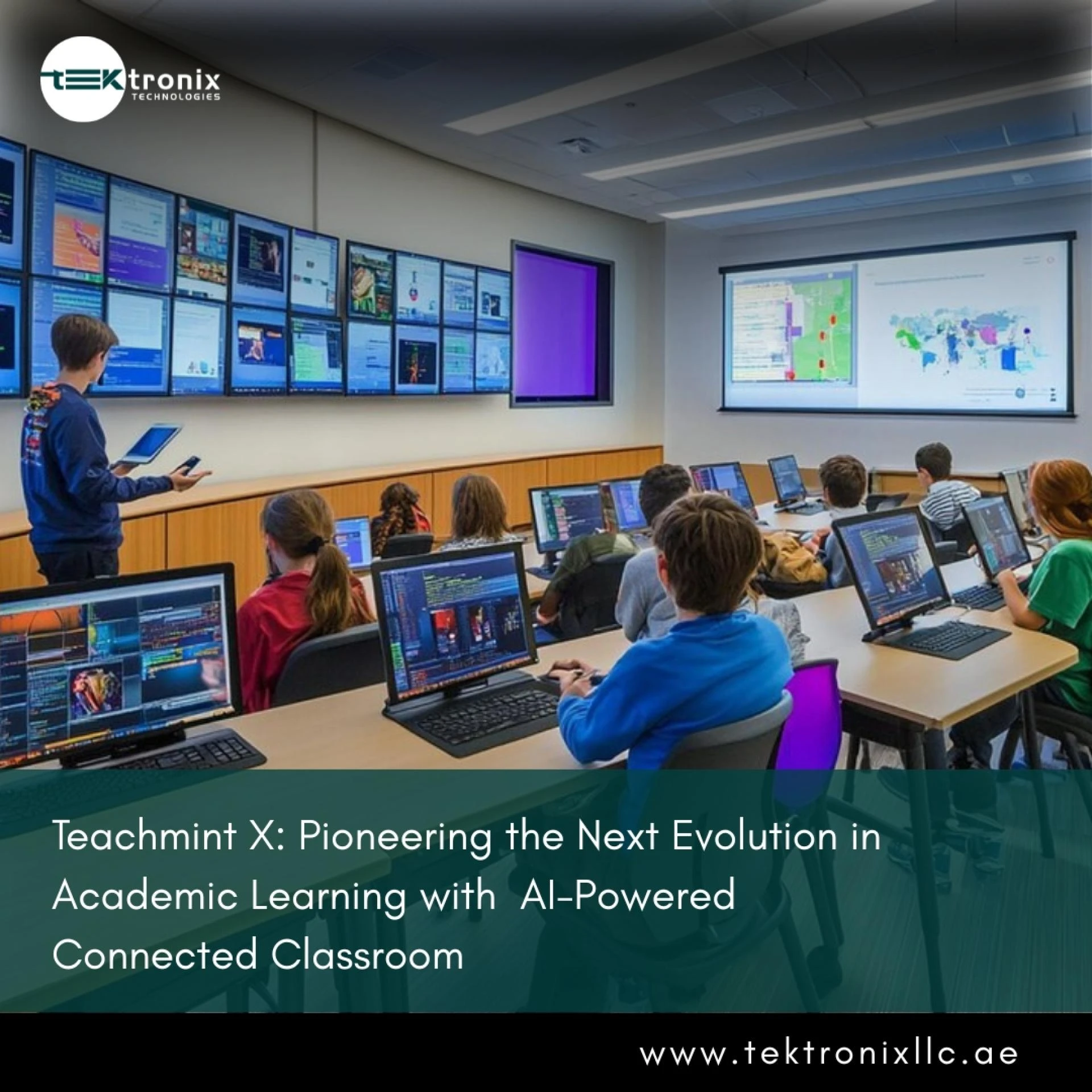
One of the most significant advantages of interactive flat panel displays is their ability to foster collaboration among students. Whether through group projects, interactive quizzes, or collaborative brainstorming sessions, these displays facilitate teamwork and peer-to-peer learning. Additionally, educators can integrate multimedia content, such as videos, simulations, and interactive presentations, to cater to diverse learning styles and reinforce key concepts effectively.
Empowering Educators with Versatile Tools
For educators, interactive flat panel displays offer a versatile platform to deliver dynamic lessons and engage students on multiple fronts. With built-in annotation tools, teachers can highlight important points, annotate diagrams, and provide real-time feedback, enriching the learning experience. Furthermore, these displays support seamless integration with educational software and online resources, enabling educators to access a wealth of digital content and customize lessons according to students\' needs.
Promoting Active Learning Environments
Interactive flat panel displays promote active learning environments where students are encouraged to explore, experiment, and discover knowledge independently. By leveraging gamification elements, interactive quizzes, and interactive simulations, educators can create immersive learning experiences that captivate students\' interest and promote deep understanding of the subject matter. Moreover, these displays encourage critical thinking and problem-solving skills, preparing students for success in an increasingly digital world.
Addressing Accessibility and Inclusivity
Inclusivity is a crucial aspect of modern education, and interactive flat panel displays play a pivotal role in ensuring equal access to learning opportunities for all students. With features like screen magnification, text-to-speech functionality, and customizable interfaces, these displays cater to diverse learning needs and empower students with disabilities to participate fully in classroom activities. Additionally, interactive flat panel displays support multiple languages, making learning accessible to students from diverse linguistic backgrounds.
Conclusion
In conclusion, interactive flat panel displays represent a paradigm shift in educational technology, offering immersive, interactive, and inclusive learning experiences for students and educators alike. By harnessing the power of technology to enhance classroom dynamics, foster collaboration, and promote active learning, these displays have become indispensable tools in the modern educational landscape. As we continue to embrace innovation in education, interactive flat panel displays will undoubtedly play a central role in shaping the future of learning.







Sign in to leave a comment.