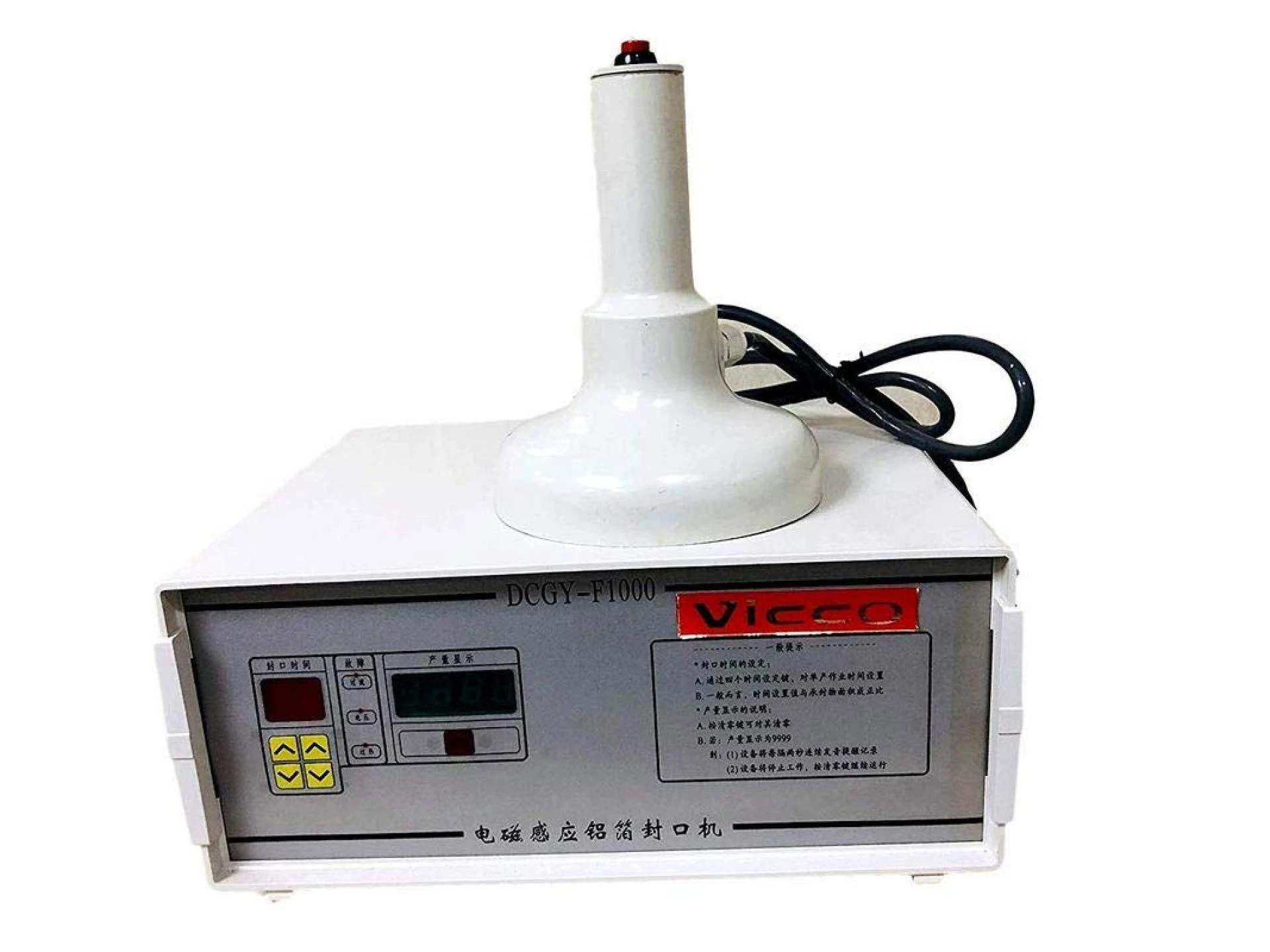

In the dynamic world of packaging, sealing bottles with precision and efficiency is a paramount concern. As industries evolve, so do the tools used to meet the ever-increasing demands of consumers and regulatory authorities. One such game-changing innovation in packaging technology is the bottle induction sealing machine. This marvel of engineering has not only streamlined the sealing process but has also ensured the safety and integrity of the products within. In this blog, we will explore the workings, benefits, and the diverse applications of bottle induction sealing machines.
The Basics: How Bottle Induction Sealing Machines Work
At first glance, bottle induction sealing machines might appear complex, but at their core, they operate on a simple principle: electromagnetic induction. Here's how it works:
1. Sealing Liner: Before we delve into the machine's operation, it's essential to understand the sealing liner. This liner, typically made of aluminum foil and a heat-activated polymer layer, is placed inside the bottle cap. It is crucial for creating a hermetic seal.
2. Electromagnetic Induction: When the cap with the sealing liner is placed on the bottle, the bottle induction sealing machine comes into play. It generates a high-frequency electromagnetic field.
3. Heat Generation: This electromagnetic field induces a current in the aluminum foil of the sealing liner. The resistance of the foil results in rapid heating.
4. Heat Transfer: The heat generated by the foil is transferred to the polymer layer. As the polymer softens, it adheres to the bottle's lip.
5. Cooling and Solidification: Once the polymer cools and solidifies, it forms a tamper-evident seal that is both airtight and leak-proof.
Advantages of Bottle Induction Sealing Machines:
Tamper-Evident Seals: One of the most significant advantages of using bottle induction sealing machines is the creation of tamper-evident seals. Consumers can trust that the product they are buying has not been tampered with, enhancing product safety and consumer confidence.
Extended Shelf Life: The hermetic seals produced by these machines help in preserving the freshness and quality of the products. This is especially crucial for products like food, pharmaceuticals, and chemicals that are sensitive to moisture, oxygen, or contaminants.
Leak-Proof and Airtight: Bottle induction sealing ensures that the product remains leak-proof and airtight. This is vital for liquids and semi-liquids, preventing spillage, evaporation, and contamination.
Enhanced Product Integrity: The integrity of the product is maintained throughout its shelf life. This means that the end consumer gets the product exactly as it was intended by the manufacturer.
Regulatory Compliance: Many industries have stringent regulations regarding product sealing and tamper-evidence. Bottle induction sealing machines help manufacturers comply with these regulations, avoiding legal complications.
Customization: These machines allow for custom sealing liners, which can include branding, safety features, and additional information. This is not only practical but also offers marketing opportunities.
Applications Across Industries:
Food and Beverage: Bottle induction sealing machines are widely used in the food and beverage industry. From sealing containers of sauces and condiments to dairy products and beverages, they ensure product freshness and safety.
Pharmaceuticals: The pharmaceutical industry relies on bottle induction sealing to guarantee the integrity of medicines and medical supplies. This technology plays a crucial role in ensuring patient safety.
Chemicals: Chemical products, including household cleaners and industrial chemicals, require secure sealing to prevent leakage and potential hazards. Induction sealing machines are essential in this sector.
Cosmetics: High-end cosmetic brands use induction sealing to ensure the protection and purity of their products. These seals also provide an additional layer of luxury packaging.
Nutraceuticals: Nutritional supplements and vitamins must be securely sealed to maintain their potency. Induction sealing is the go-to solution for this industry.
Automotive and Lubricants: In the automotive sector, oil and lubricant products are sealed to prevent contamination and ensure product quality.
Agriculture and Horticulture: Pesticides, herbicides, and agricultural chemicals must be securely sealed to prevent environmental contamination and protect end-users.
Choosing the Right Bottle Induction Sealing Machine:
Selecting the appropriate machine for your specific needs is crucial. Here are some factors to consider:
Production Volume: The machine's capacity should match your production volume. Choose from manual, semi-automatic, or automatic machines based on your output requirements.
Bottle Size and Type: Consider the range of bottle sizes and types you'll be working with. Some machines are more versatile than others.
Sealing Liner Material: Different products may require specific sealing liner materials. Ensure the machine is compatible with the liner material you intend to use.
Customization Options: If you need branding or specific information on the sealing liner, choose a machine that allows for customization.
Ease of Maintenance: Look for machines that are easy to maintain and service, as this will ensure uninterrupted production.
Conclusion:
Bottle induction sealing machines have become indispensable in various industries, providing tamper-evident, leak-proof, and airtight seals. These machines not only enhance product safety but also extend shelf life, ensuring product integrity from manufacturer to consumer. As industries continue to evolve, bottle induction sealing machines will remain at the forefront of packaging technology, revolutionizing how we seal and protect the products we rely on every day.




Sign in to leave a comment.